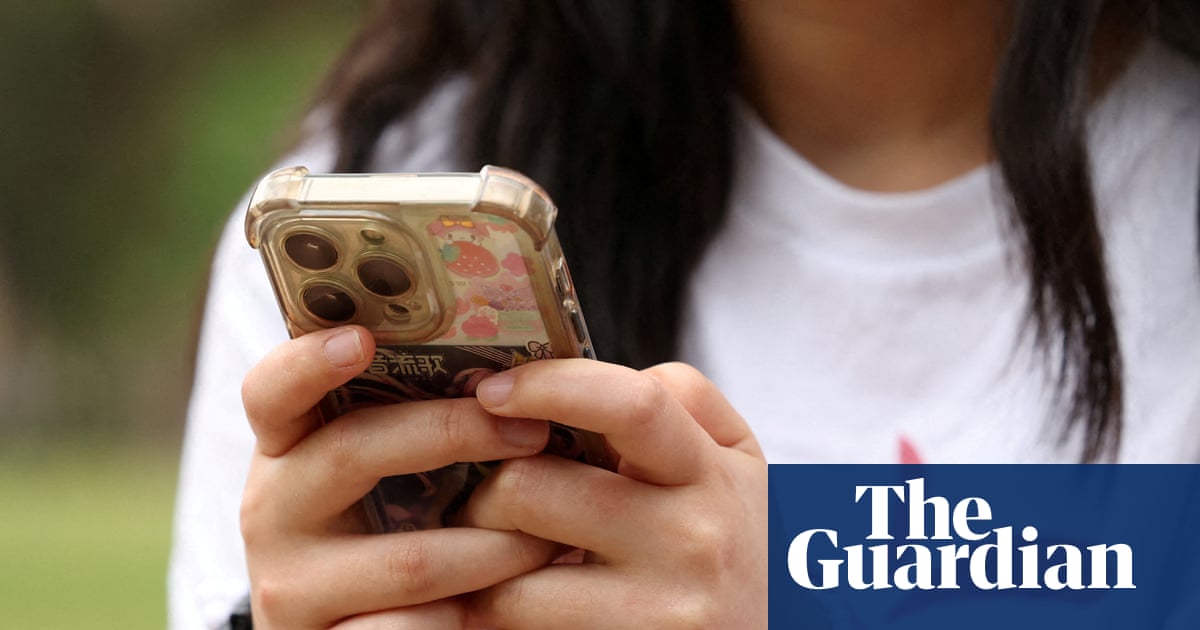
A University of Newcastle study says Australia’s under-16 social media ban has had limited impact, with more than 80% of surveyed adolescents still using major platforms three months after enforcement began.
A University of Newcastle study is raising fresh doubts about whether Australia’s under-16 social media ban can work in practice, after finding that more than four in five surveyed adolescents were still using social platforms three months after the restriction began.
The findings, reported by The Guardian on June 24, suggest the law has had limited effect so far and that many young users are finding simple ways around it. Researchers say the gap between the policy and reality is being widened by weak age checks, fake accounts and VPN use.
What the study found
According to the reporting, the study found that over 80% of surveyed adolescents were still active on social media despite the ban. The platforms named in the coverage include TikTok, Instagram and Facebook.
The research points to a pattern of circumvention rather than compliance. Teenagers were described as using fake accounts and VPNs to get around the restriction, while platforms relied on age checks that were often easy to bypass.
Those checks reportedly depended in many cases on self-declared ages or selfie-based verification rather than official identity documents. That leaves a large enforcement gap if the policy goal is to stop under-16s from holding accounts at all.
Why enforcement is difficult
The study adds to an existing body of evidence that age-verification systems are only as strong as the weakest step in the process. If a platform accepts a user’s own declaration, or uses a simple selfie check, determined teenagers may still be able to create or retain accounts.
That is the central challenge for Australia’s ban. The law may set a clear age threshold, but the practical tools used by platforms to enforce it are far less rigid than the rule itself.
A separate paper published on arXiv in May reached a similar conclusion from focus groups with 12- to 16-year-olds. That research said children saw social media age restrictions as unfair and described ways they could be evaded.
The timeline
Australia’s under-16 social media regime took effect on December 10, 2025. The University of Newcastle study published on June 24, 2026, provides one of the first public snapshots of how the ban is working several months into enforcement.
That timing matters because the policy was designed to change behavior quickly. Instead, the early evidence suggests many teenagers have continued using the same platforms, with little sign that the restriction has meaningfully reduced access.
The policy stakes
Australia has become a test case for age-based social media restrictions. If the country cannot reliably keep under-16s off major platforms, it will strengthen arguments that bans need much tougher verification to work.
The trade-off is obvious. Stronger verification could improve enforcement, but it would also raise privacy concerns and add compliance costs for users, platforms and regulators.
The research therefore goes beyond one national policy experiment. It speaks to a broader debate about whether age limits can be enforced at scale without turning social media access into an ID-heavy system.
What happens next
The next questions are whether the Australian government or the eSafety Commissioner respond publicly, and whether major platforms tighten their verification systems after the study.
It will also matter whether officials publish post-ban enforcement data and whether follow-up reporting clarifies the study’s sample and methodology. Those details will help show how representative the findings are.
For now, the study’s core message is blunt: the ban exists on paper, but many under-16s are still using social media in practice.
Revision note
Initial automated publication.