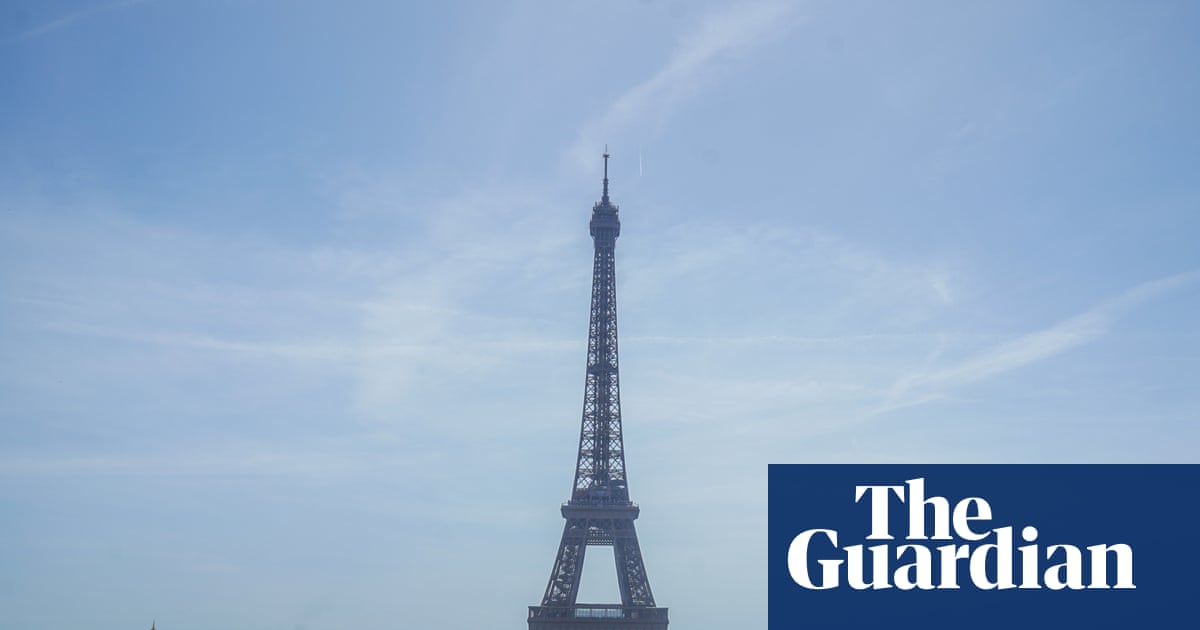
France is facing another intense early-summer heat event starting June 13, with orange alerts in the south, possible 40C peaks, tropical nights and wildfire concerns during the baccalauréat period.
Heat returns to France
France is preparing for another intense early-summer heat event starting June 13, with Météo-France placing three southern departments under orange alerts as temperatures climb sharply.
The first phase of the heat is expected to grip the southern half of the country, where temperatures above 30C should become widespread and parts of Occitanie, Languedoc and Provence could see 35C or more.
Le Monde reported that the episode may become very widespread, with some places potentially exceeding 40C as the heat builds through the weekend and into next week.
A second early-season surge
The timing stands out because it comes only weeks after an unusually early and severe heatwave in late May.
That earlier event brought record or near-record temperatures to parts of France and neighboring countries and prompted some of the season's earliest heat warnings.
The new surge reinforces how quickly France has moved from one major hot spell to another before the official start of summer.
What forecasters are saying
Météo-France forecaster Sébastien Léas said it was still too early to say whether the episode should formally be classified as a heatwave or whether additional heatwave warnings would be issued.
That uncertainty matters, because the event is expected to evolve over several days rather than peak in a single afternoon.
Climate scientist Davide Faranda said the current episode could end up hotter than the May heatwave, with 41C to 42C possible in cities such as Toulouse, Bordeaux and Aix-en-Provence.
Paris is also expected to be affected later in the period. Le Monde said temperatures there could approach 39C around the weekend of June 20, although that remains uncertain.
Timing, spread and overnight heat
The hottest conditions are expected to intensify again around June 17 and June 18 as the heat moves northward.
Hauts-de-France and Normandy were described as likely to be spared the worst of it, but many other regions could still see a prolonged and uncomfortable spell.
Many areas are expected to face tropical nights from midweek in the week of June 15, meaning overnight lows above 20C.
That matters because hot nights reduce the body's chance to recover from daytime heat and can make a multi-day episode more dangerous for vulnerable people.
Public impact and exams
The heat event overlaps with the baccalauréat exam period, scheduled from June 15 to June 18.
That timing raises the risk of disruption for students, staff and administrators, especially if classrooms, transport and school buildings become harder to manage in high temperatures.
Outdoor workers are also likely to face difficult conditions as the heat spreads farther north.
Hospitals, emergency services and local authorities could come under extra pressure if the heat lingers and overnight temperatures stay elevated.
Fire risk in the south
Wildfire danger is another immediate concern, especially in already dry southern areas.
Le Monde reported fires in the Bouches-du-Rhône, Vaucluse and Hérault departments as the new heat event began.
The fire risk is being amplified by dry ground after a dry May. A BRGM bulletin published on June 1 said groundwater levels were generally satisfactory, but had fallen across France over the month.
That does not mean every region is equally exposed, but it does reinforce the dryness that can help fires spread quickly once hot conditions take hold.
What to watch next
The next key question is whether Météo-France expands the orange alert zone or upgrades any departments as temperatures rise.
Updated forecasts for Toulouse, Bordeaux, Aix-en-Provence and Paris will show how extreme the peak becomes and whether the southern heat reaches the levels some scientists are warning about.
Authorities will also be watching for exam-day precautions, school adjustments and any local restrictions tied to the heat.
Wildfire reports in southern France will remain a major indicator of how much strain the heat is placing on already dry areas.
Revision note
Initial automated publication.