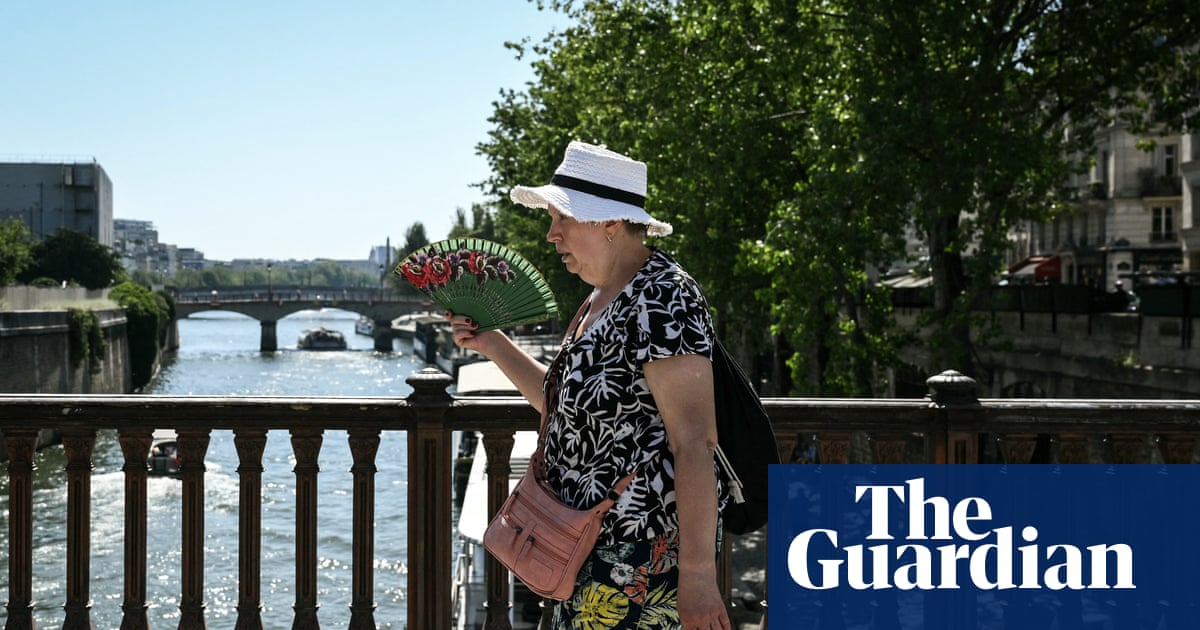
France has widened emergency measures as a severe late-June heatwave pushes temperatures above 40C, forcing event cancellations, school closures and alcohol restrictions in some public areas.
French authorities have widened emergency measures as a severe late-June heatwave pushes temperatures above 40C in parts of the country, with red alerts, school disruptions and event restrictions spreading across France.
More than a third of the country is under red heat alert, and officials say additional departments are expected to move into red on Monday as the hot spell intensifies. Lower-level heat warnings cover about 53 million people, or just over 75% of the population.
Météo-France has described the episode as exceptional in both severity and duration. The agency says the heatwave may break monthly records and possibly all-time national records, underscoring the scale of the public-health risk.
Alert Levels and Timing
The response has moved quickly over the course of Sunday. Early reporting said France was already under severe heatwave conditions, with red alerts and public-health measures in place.
Later reporting said the heat had intensified further, with temperatures climbing above 40C and the government broadening restrictions and school changes. The sequence reflects how quickly the crisis has escalated across the country.
Officials are treating the next few days as the critical period. The current forecast suggests the hottest conditions will continue, keeping pressure on local authorities and emergency services.
Events and Public Life
The heatwave is hitting during Fête de la Musique, France's nationwide summer music celebration, which draws large crowds into streets, parks and other outdoor spaces.
Authorities have cancelled or altered outdoor events linked to the festival and other gatherings in an effort to reduce exposure during the hottest part of the day. The measures are part of a broader effort to keep people out of dangerous conditions for longer periods.
In Paris and some other high-risk areas, officials have also restricted public drinking in specific locations. That includes bans on stronger alcohol in some riverside areas.
Schools and Public Services
Schools have been heavily affected. More than 800 schools are set to remain closed, while about 1,800 more are rescheduling exams and classes because of the heat.
The disruption extends beyond classrooms, with local authorities trying to adapt transport, public spaces and event planning around the extreme temperatures. The scale of the disruption shows how far the heatwave is reaching into daily life.
France has also deployed thousands of police and emergency workers and installed public water fountains to reduce health risks. The response is aimed at limiting the strain on services while keeping people hydrated and out of the worst conditions.
Health Risk and Response
Authorities are especially concerned about older people and the homeless, who face a higher risk of heat illness and dehydration. Those groups are among the most vulnerable when temperatures stay elevated for long periods.
The government has convened heat-crisis meetings to coordinate the response and consider longer-term adaptation measures. Officials are trying to manage both the immediate emergency and the wider question of how France prepares for more frequent extreme heat.
For now, the main questions are how far the red alert area will expand after Sunday and whether France will break any June or all-time temperature records. Additional event cancellations and school changes remain possible if the heat persists.
The latest escalation shows how quickly a weather emergency can become a broader public-safety issue, affecting schools, festivals, policing and basic city services at the same time.
Revision note
Expanded with full chronology, school and event disruption, health risk, and response details.