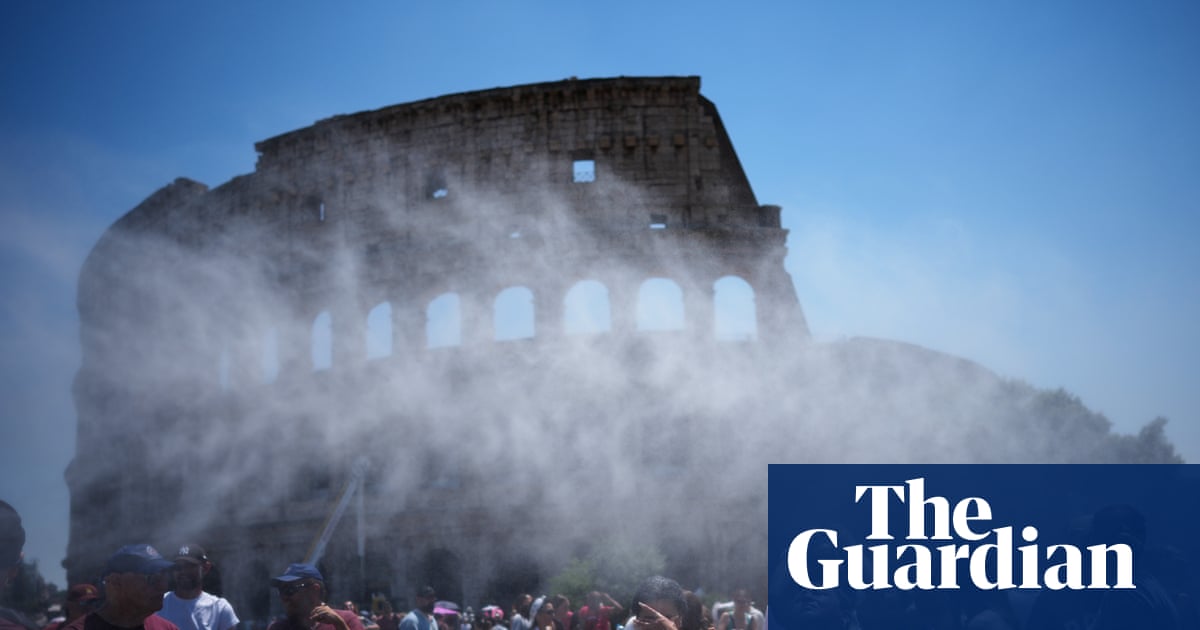
France’s first official estimate of the late-June heatwave toll put excess deaths at about 1,000 between June 24 and June 26, intensifying criticism of the government’s preparedness and reviving debate over climate adaptation.
France’s late-June heatwave has triggered a political backlash after Santé Publique France estimated about 1,000 excess deaths between June 24 and June 26, the first official assessment of the mortality toll from the extreme temperatures.
The estimate is provisional and based on electronic death certificates received so far. Health officials said the total could rise as more data is processed, but the first figure immediately sharpened questions over whether France was prepared for the public-health impact of the heat.
First mortality estimate
The health agency’s count covers the period from June 24 to June 26, when the heatwave was at its most severe. Reporting described the estimate as an early snapshot rather than a final tally, and the agency has not closed the books on the toll.
The deaths were concentrated among older people. One report said 85% of the excess deaths were among people aged 65 and older, underscoring how extreme heat continues to hit the most vulnerable people hardest.
Reporting also pointed to a sharp rise in at-home deaths, with some regions seeing a 40% increase. That pattern has fueled concern that isolated or elderly residents may not have received enough support during the hottest days.
The timeline in the reporting suggests deaths climbed above typical spring levels on June 25 and June 26, after the heatwave began on June 24. By June 28, conditions had eased across much of France, but the health fallout was still being assessed.
Political backlash
The mortality estimate quickly became a political issue. A crisis meeting was expected on June 29, chaired by Prime Minister Sébastien Lecornu, to review what worked and what failed in the government’s response.
Interior Minister Laurent Nuñez defended the handling of the episode and rejected the idea that it had been a fiasco. He said the heatwave was unprecedented, presenting the government’s actions as a response to an exceptional event rather than a breakdown in preparedness.
Health Minister Stéphanie Rist also pushed back on criticism, saying the mortality figure was likely to be lower than the 2003 heatwave and pointing to improvements since then. That comparison remains central in France because the 2003 disaster killed about 15,000 people and reshaped heat-response policy.
Critics were not satisfied with those defenses. Elisabeth Borne, a former prime minister in Emmanuel Macron’s camp, said the episode exposed a lack of sustained environmental and energy planning. French Greens leader Marine Tondelier also added pressure by framing the situation as part of a wider failure on climate policy.
Why 2003 still matters
The 2003 heatwave is the benchmark disaster in French public debate on extreme heat. It forced a rethink of emergency planning, but it also left a political memory that makes every new mortality estimate especially sensitive.
This year’s episode has revived the broader argument over whether France has done enough since then to adapt hospitals, schools, workplaces and local emergency systems to hotter summers. The dispute is not only about the immediate crisis response, but also about whether the state has moved quickly enough on long-term climate adaptation.
That debate is sharpened by the profile of the deaths in the first estimate. The concentration among older people, combined with the rise in at-home deaths, suggests that the most serious risks are often felt away from the most visible points of pressure, such as emergency rooms.
Strain on services
The heatwave’s impact was not limited to mortality numbers. AP reported strain on Paris mortuaries and funeral services, showing that the disruption reached beyond health agencies and into the infrastructure that handles deaths and family arrangements.
That operational strain matters politically because it suggests the heatwave tested the wider public-service system. The government’s internal review is expected to look not just at warnings and emergency messaging, but also at whether frontline services were ready for a surge in need.
The story is still developing because the official toll is provisional. Santé Publique France may update the estimate as more death certificates are processed, and the final figure could be higher.
What comes next
The immediate question is whether the June 29 crisis meeting produces concrete new measures. Reporting has pointed to possible follow-up action on hospital cooling, school closures, work rules or local emergency support, though none of those steps had been announced in the research packet.
Another open issue is whether ministers or President Emmanuel Macron acknowledge responsibility for any gaps in preparedness, or instead focus on defending the current heat-response system. That question now sits at the intersection of public health, emergency planning and climate policy.
For now, the government is arguing that the response was stronger than in 2003, while critics say France remains underprepared for extreme heat. The first mortality estimate has made that argument immediate, and the next round of data and decisions will determine whether the backlash fades or deepens.
Revision note
Initial automated publication with expanded reporting scope.