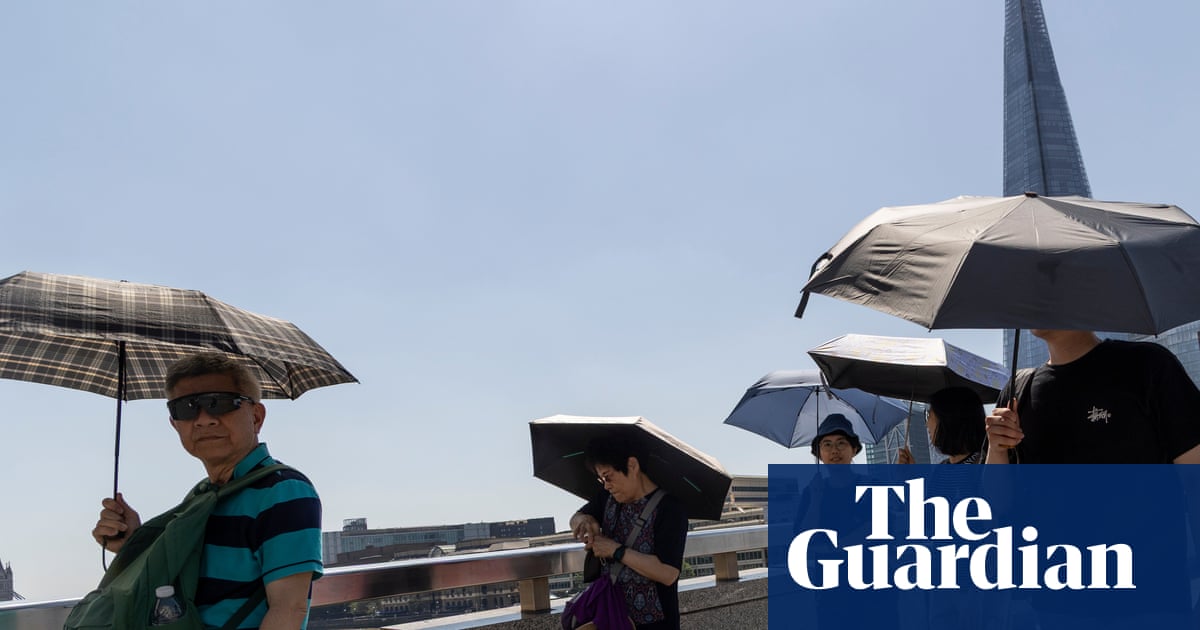
A late-June heatwave pushed the UK into a rare red warning, set a new June temperature record in Gosport and disrupted trains, schools, hospitals, the grid and water supplies.
The UK’s late-June heatwave moved from forecast to full-scale disruption on June 24, exposing weak points in transport, health care, schools and infrastructure in a single fast-moving weather event.
The country recorded its hottest June day on record, with provisional Met Office data showing 36.1C in Gosport, Hampshire. That came after the Met Office issued a rare red extreme-heat warning for parts of southern Wales and central and southern England, including London.
The UK Health Security Agency also placed six English regions under a red heat-health alert from 1am on June 24 until 11pm on June 25. It was only the second red heat-health alert issued in England, after July 2022.
How the heat built
Warnings were in place before the record temperature arrived. On June 22, the Met Office said dangerous heat was likely on Wednesday and Thursday, with forecasts pointing to 38C to 40C in parts of the UK.
By June 23, coverage was already describing schools, hospitals, transport operators and water systems struggling under the heat. The following day brought confirmation that the heatwave had crossed into record territory, and the disruption widened.
The event became a live test of how well UK services built for cooler conditions can cope when extreme heat arrives quickly and across multiple systems at once.
The red warnings were intended to signal more than a health risk. They were also a warning about transport, food, water, energy and business continuity.
Rail and travel
Transport was among the first sectors to show strain. Rail operators reduced or cancelled services because of heat-related infrastructure risks, including the danger of track buckling.
The Times reported that more than 2,600 train services were delayed or cancelled, while London Underground lines were also severely affected. That disruption rippled across journeys as operators slowed services, rerouted trains or pulled them from service to reduce the risk of failures in extreme heat.
The details varied between operators, but the pattern was consistent: the network was being managed for safety first, not speed. The heat exposed how quickly rail reliability can fall away when track, rolling stock and timetables are pushed beyond the conditions they were designed around.
For passengers, that meant cancellations, delays and crowded alternatives at the same time that many roads and stations were also under pressure from the weather.
Hospitals and emergency services
The National Health Service faced direct pressure as cooling and critical systems came under strain. Queen Alexandra Hospital in Portsmouth declared a critical incident after high temperatures disrupted critical systems, one of the clearest signs that the heatwave was no longer only a comfort issue.
Coverage also pointed to pressure on ambulance services, including London ambulance operations. The challenge was not limited to patients. Staff, equipment and building systems were being tested at the same time, while emergency services had to keep normal care running in overheated conditions.
UKHSA guidance during the red alert underscored the danger to older people and those with pre-existing conditions, who face the highest risk in prolonged extreme heat.
The health risk was broader than hospital admissions alone. Heat can worsen existing conditions, strain frail patients and make routine care harder to deliver when wards, waiting rooms and transport links are all affected.
Schools and families
Schools across southern England and Wales also had to change plans. Many moved to reduced hours, early closures or remote learning to keep children and staff safe in overheated classrooms.
The Times said more than 1,000 schools were affected. That created a wider knock-on effect for families, especially where childcare, work and travel arrangements had to be changed at short notice.
The school disruption showed how heatwaves reach well beyond transport and hospitals. They can cascade into attendance, safeguarding and family schedules, turning a weather event into a day-to-day logistical problem.
For many parents, the immediate issue was not just whether children were safe, but how to cover the rest of the working day when school plans changed abruptly.
Power and water strain
The heat also pushed at the edges of energy security. The National Energy System Operator issued an electricity margin notice during the heatwave, then later said it had secured enough supply.
That notice reflected concern that electricity demand and supply margins could tighten as temperatures rose. Even though the warning was later lifted, it showed how extreme heat can affect the grid as well as rail and health services.
Water systems were also under pressure, with reports of strain as demand rose and temperatures climbed. That matters because heatwaves do not just increase consumption. They also make it harder for utilities to recover when they are already stressed.
The wider lesson is that extreme heat now behaves like a multi-sector stress test, not a single-weather problem. Electricity, water, transport and health services can all be strained at once.
What officials were watching
The Met Office, UKHSA, Network Rail, train operators, hospitals and local authorities all knew the heat was coming, but the event still produced widespread disruption.
Earlier warnings had pointed to temperatures high enough to cause serious knock-on effects, and the red alerts were meant to prepare services for exactly this kind of pressure.
The scale of the disruption has sharpened the question of how quickly Britain can adapt buildings, transport systems and public services that were largely built for a cooler climate.
The background to this episode is a country entering hotter, more humid summers that increasingly strain infrastructure designed for different conditions. That makes events like this less exceptional than they once seemed.
What happens next
The immediate question is whether disruption eases as temperatures fall or whether services continue to feel after-effects from equipment strain, schedule changes and operational backlogs.
Officials are also likely to face renewed scrutiny over preparedness. This heatwave was forecast in advance, but it still produced record temperatures and broad operational stress across public services.
The next checkpoints are whether rail cancellations, school closures and hospital disruptions broaden or ease as the red period ends, and whether any additional incident declarations follow.
What the week has shown is that hotter British summers are no longer an abstract climate warning. They are already testing the systems that keep the country moving, treating patients, educating children and keeping the lights on.
Revision note
Initial automated publication.