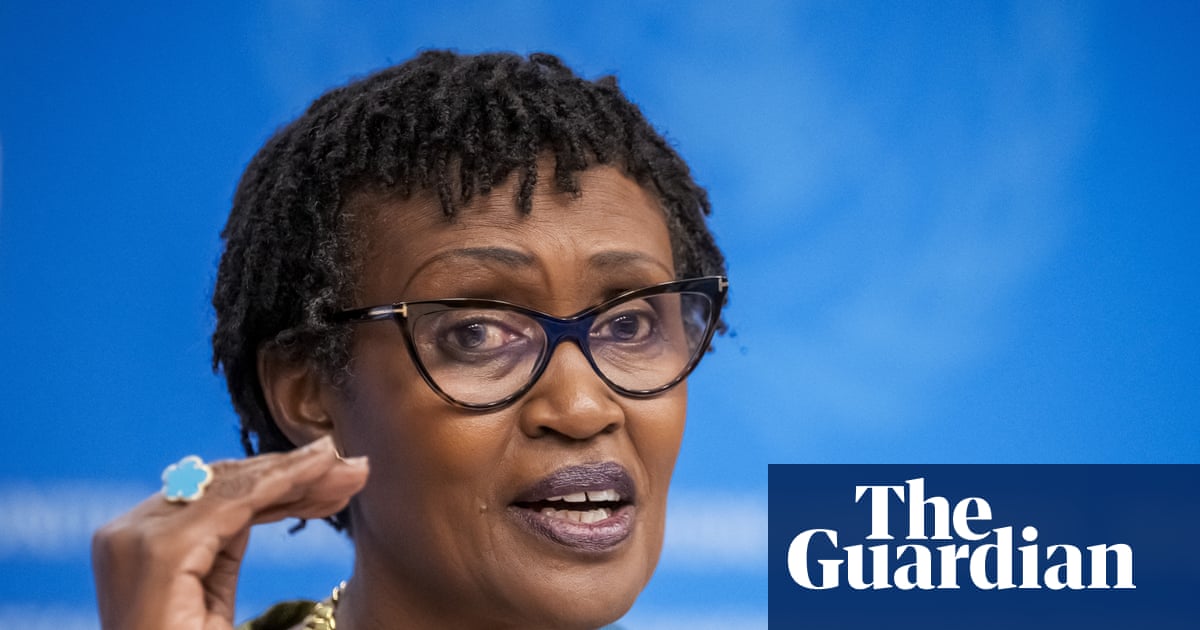
UNAIDS warned that funding cuts and expanding repressive laws are undermining HIV testing, prevention and community-led services, increasing the risk of renewed infections and AIDS-related deaths.
UNAIDS has warned that funding cuts and expanding repressive laws are putting the global response to HIV at risk, threatening to reverse years of gains in reducing infections and deaths.
The warning, reported on Friday and based on a new UN report, comes as the agency says annual HIV infections and AIDS-related deaths are at record lows. UNAIDS said those gains are still fragile and could be undone if testing, prevention and community-led services continue to lose money and access.
UNAIDS executive director Winnie Byanyima said the disruption is the biggest since the global HIV response began. She said the combination of weaker financing and growing legal barriers could drive up new infections and HIV-related deaths if it is not reversed.
Funding squeeze
The report said international aid spending fell by about 23% and that HIV testing dropped sharply in 2025 in high-burden countries. In one program, HIV testing fell by 22% year on year.
UNAIDS said the cuts are hitting the services that do the most to stop transmission, including condoms, PrEP, outreach and other prevention work delivered through community groups. The agency also said only 11% of HIV spending in low- and middle-income countries went to prevention in 2024.
That imbalance matters because treatment can keep people alive, but prevention is what stops new infections from rising in the first place. UNAIDS said new domestic funding is not replacing lost external money at the speed needed, and where governments do step in, the money often goes to treatment rather than prevention.
The report said there were 570,000 AIDS-related deaths last year and 1.2 million new HIV infections. UNAIDS said those numbers show progress, but not enough protection against a reversal if the current funding pattern continues.
Rights and access
UNAIDS also tied the funding crisis to a worsening rights environment. It said the number of countries introducing new or more restrictive laws against same-sex relations has continued to increase.
The agency warned that laws that shrink civic space can prevent civil society groups from operating freely. It cited Uganda's sovereignty bill as one example of legislation that can make it harder for health and community organizations to reach the people who most need HIV prevention and care.
That access problem is central to the risk UNAIDS is describing. Community-led services often provide the first and most trusted route into testing, prevention and support for people who face stigma, discrimination or fear in mainstream health systems.
The report said those groups are being hit especially hard. A survey cited by UNAIDS found an 85% reduction in services for men who have sex with men and an 82% reduction for sex workers across 79 community-led organizations in 47 countries.
Those reductions matter because men who have sex with men and sex workers are among the populations at highest risk of HIV infection. UNAIDS said restricting their access to services can quickly feed back into wider transmission if testing and prevention are interrupted.
What the numbers point to
The report's message is that the HIV response is being squeezed from two sides at once: less money and fewer rights protections. UNAIDS said prevention budgets remain too small, aid is shrinking, and the groups most likely to be left out are the ones that need services most urgently.
Byanyima also pointed to lenacapavir, a long-acting HIV prevention drug, as a promising tool. But she said it would need much wider scale-up to make a real difference, which means access, financing and distribution remain major bottlenecks.
That makes the current warning more than a general appeal for more funding. UNAIDS is arguing that the world already has some of the tools needed to keep HIV infections down, but that those tools are not being deployed at the scale required.
The agency's concern is that the combination of weak prevention spending, reduced testing and legal restrictions could create the conditions for a new rise in infections after years of progress. It said the danger is greatest where community-led services are already fragile and where marginalized groups are pushed away from care.
What happens next
The immediate question is whether governments and donors can restore funding fast enough to protect prevention and testing programs before more people are lost to the system. UNAIDS said the current gap is not being filled at the pace required.
Another open issue is whether the report's warning will push countries to protect civil society groups and roll back laws that restrict outreach. The agency's position is that legal barriers are now part of the HIV financing problem, not separate from it.
UNAIDS is expected to keep pressing that point as it monitors the impact of aid cuts and shrinking prevention budgets. For now, its message is that the global HIV response remains effective when it reaches people early, but that the system is being weakened in exactly the places that matter most.
Revision note
Initial automated publication.