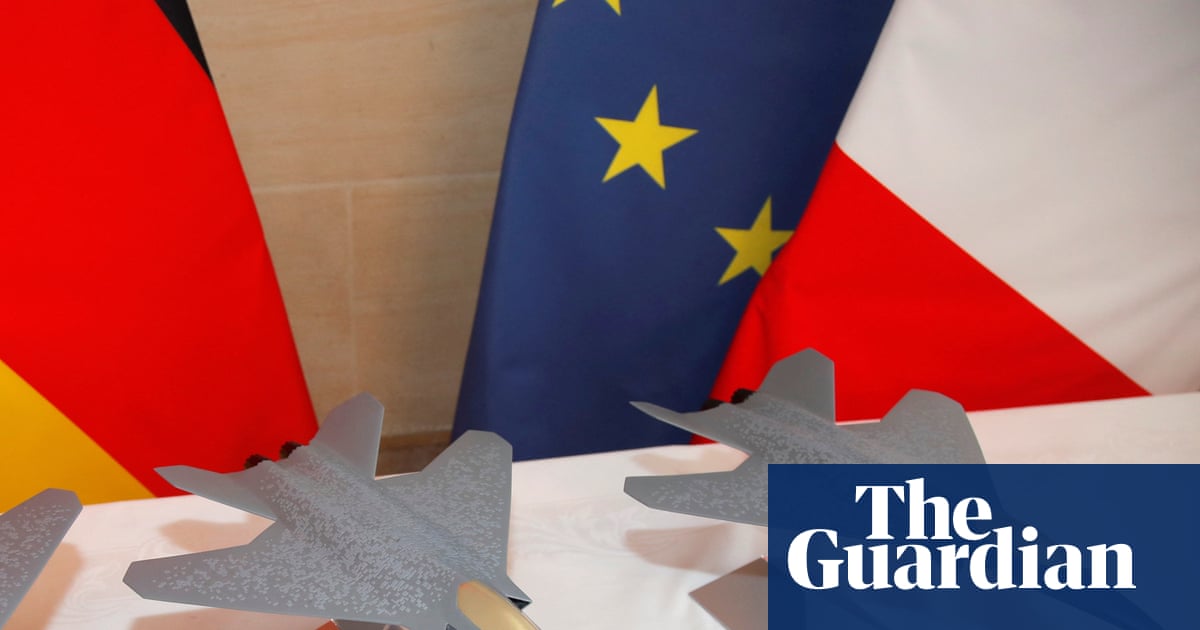
Germany is shifting toward a new fighter-jet strategy after the collapse of the Franco-German FCAS program, with Berlin saying any replacement must give it a substantial leadership role. The move follows a long dispute over control, intellectual property and industrial workshare.
Germany is moving to define its next fighter-jet strategy after the collapse of the Franco-German Future Combat Air System, the ambitious sixth-generation aircraft project meant to anchor Europe’s next generation of air power.
Reporting on June 8 and June 10 said Berlin has effectively left the FCAS effort with France and now wants either to lead a new program or join another one only if Germany gets a substantial role that matches its financial contribution.
The shift marks a sharp break from a project launched in 2017 that was supposed to deliver a sixth-generation fighter around 2040, with a reported value of about €100 billion. FCAS was designed to replace France’s Rafale and Germany’s Eurofighter and became a symbol of European defense sovereignty.
A project undone by industrial conflict
The split followed a long-running dispute between Dassault Aviation and Airbus Defence and Space over leadership, intellectual property, technology sharing and workshare. Those disagreements became severe enough that reporting says the two governments concluded the companies could not reach agreement.
Some coverage describes the fighter project as abandoned outright, while other reporting frames Germany as withdrawing and seeking a new structure. What is clear is that the original Franco-German fighter-airframe plan has broken down.
German defense minister Boris Pistorius said the project would not have been started today in the same form and stressed that the failure does not change Germany’s relationship with France.
Berlin’s new options
Germany’s new aviation strategy says the country remains committed to acquiring a sixth-generation weapon system. But it also says any future partnership must give Germany a substantial role, or Berlin could instead lead a similar project with other European partners.
Reporting says German industry is already discussing a possible Airbus-led alliance often described as “Team Gen 6,” bringing together Airbus Defence and Space and other German defense companies.
Other alternatives are also being weighed, including Sweden’s Saab and the UK-Italy-Japan GCAP program. It is not yet clear whether Berlin will try to build a new domestic-led consortium first, seek a broader European arrangement, or attach itself to an existing multinational fighter effort.
Strategic stakes
The breakdown matters beyond one aircraft program. FCAS was intended to be a flagship for Franco-German defense cooperation and a test of Europe’s ability to build major military systems without relying on the United States.
The dispute also highlights how industrial leadership can shape defense policy. For Germany, the issue is not only whether it can obtain a next-generation fighter, but whether it can control key technology and secure a meaningful role in future manufacturing.
For France, the collapse raises questions about whether any FCAS subprojects can survive, and how much of the broader defense partnership with Germany can be preserved after the fighter split. Spain, which was part of the original project, also faces uncertainty over what comes next.
What happens next
The immediate watch points are whether Berlin publishes the aviation strategy in full, whether Airbus-backed industry partners formally unveil a German consortium, and whether German leaders publicly endorse one path over the others.
Further signals may come from France’s response and from any move by Germany toward Saab or GCAP partners. For now, the key fact is that Germany has stepped away from the original FCAS framework and is seeking a new sixth-generation fighter strategy with more direct German control.
Revision note
Initial automated publication.