Ghana opened a three-day reparatory-justice conference in Accra, bringing delegates from more than 80 countries to build on a March UN resolution and push for practical follow-up.
Ghana has opened a three-day reparatory-justice conference in Accra, bringing delegates from more than 80 countries to what organizers describe as the first major follow-up gathering since the United Nations adopted a Ghana-led resolution on the transatlantic slave trade.
The conference, called Next Steps, opened on June 17 and runs through June 19. It is intended to turn the political momentum from the March 25 UN vote into more concrete institutional commitments on reparatory justice, including discussion of restitution, compensation-related questions and the return of cultural property.
From UN vote to Accra
The March resolution was adopted by the UN General Assembly by a vote of 123-3, with 52 abstentions. The United States, Israel and Argentina voted against it, while the UK and all EU member states abstained.
The text recognized the trafficking of enslaved Africans and racialized chattel enslavement as the gravest crime against humanity. It also called for inclusive, good-faith dialogue on reparatory justice and for prompt, unhindered restitution of cultural and other properties.
Ghana has framed the vote as a shift away from commemorative gestures and toward historical truth, dialogue, reconciliation and justice. The Accra meeting is designed to test whether that language can be turned into a practical agenda.
Who is in the room
Organizers say the conference brings together heads of state and government, ministers, civil society representatives, historians, researchers and legal experts. Participants are coming from more than 80 countries, underscoring support that stretches beyond Africa to the Caribbean and the wider diaspora.
Expected speakers include African Union Commission chair Mahamoud Ali Youssouf, Barbados Prime Minister Mia Mottley, and the presidents of Ghana, Liberia, Namibia, Senegal and France.
The conference is also tied to earlier reparations efforts, including the Abuja Proclamation of 1993, which placed today’s push in a longer political and diplomatic history.
Symbolic and political stakes
The central question is whether Ghana’s campaign can move reparatory justice from symbolism to structure. Organizers say participants are working on five objectives, including a global framework to advance the UN resolution’s goals and global panels focused on reparatory justice and restitution.
The stakes are broader than one conference. Advocates want the resolution to become an actionable international reparations framework rather than a one-off declaration, and they are also pressing for stronger institutional momentum on cultural-property return and other restitution claims.
Juneteenth at Osu Castle
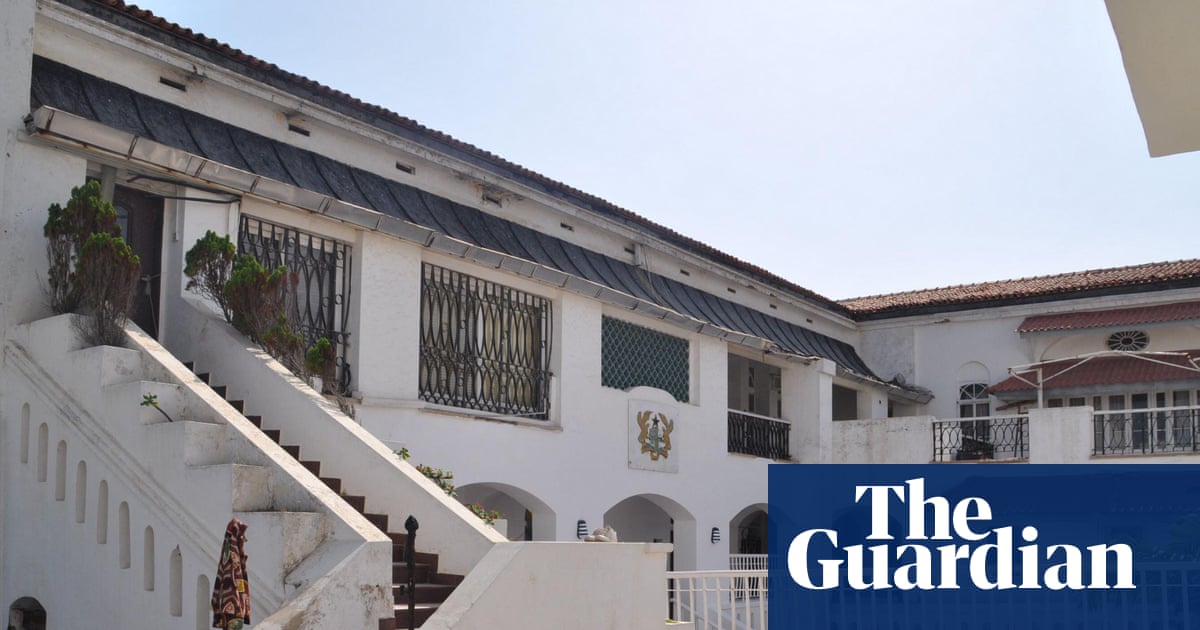
A public Juneteenth commemoration is scheduled for June 19 at Osu Castle in Accra. The 17th-century fortress served as a hub for the transatlantic slave trade, giving the event a direct historical setting.
That commemoration is expected to be one of the most visible moments of the week, linking diplomatic discussion with public remembrance and the politics of diaspora memory.
What happens next
The conference is scheduled to continue through June 19, and the most important question is whether delegates leave Accra with any formal framework, working group or timetable for follow-up.
Any joint declaration, policy mechanism or new coalition would be the clearest sign that the UN resolution is being converted into an ongoing reparatory-justice agenda. Without that, the gathering risks remaining an important but largely symbolic milestone.
For now, Ghana has used the conference to place itself at the center of a wider African, Caribbean and diaspora effort to shape the next phase of the reparations debate.
Revision note
Initial automated publication.