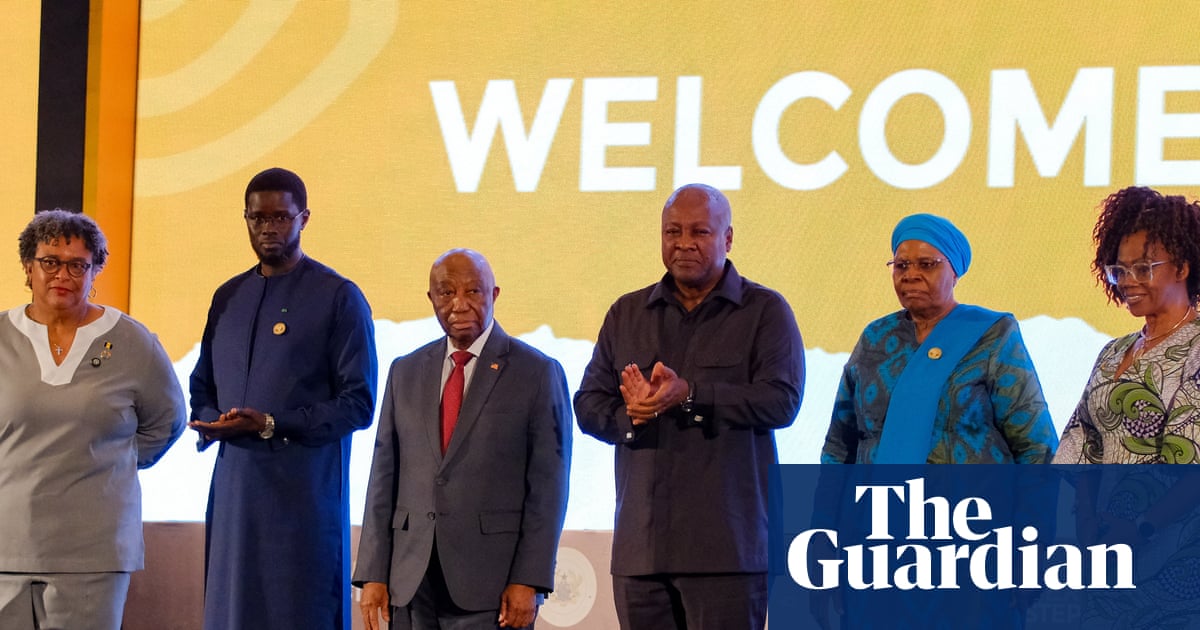
Delegates at a reparatory justice conference in Accra adopted a 19-point global framework and Ghana’s president announced three expert panels to advance compensation, restitution and legal work.
Delegates at a major reparatory justice conference in Accra have adopted a 19-point global framework aimed at turning long-running demands for reparations into a more concrete international programme.
The framework was approved on June 19 at the end of the three-day Next Steps conference in Ghana’s capital. Participants came from more than 80 countries, according to reporting from the meeting.
Ghanaian President John Mahama also announced three new bodies to carry the work forward: an advisory panel on reparatory justice, an expert panel on restitution of cultural artefacts and a legal panel on reparatory justice.
Mahama said the panels are intended to support, not replace, governments, regional organisations and international institutions.
From recognition to implementation
The Accra gathering followed a March 2026 United Nations General Assembly resolution that described the trafficking of enslaved Africans and racialized chattel enslavement as the gravest crime against humanity.
Ghana proposed that resolution on behalf of African Union member states. The June conference was the first major reparations meeting after that vote, and it was explicitly framed as a move from symbolic recognition toward implementation.
The new framework gives that effort a more defined shape. Rather than restating the demand for reparations alone, it maps out the areas where campaigners want governments and institutions to act.
What the framework calls for
The 19-point document calls for fair and adequate compensation for Africans and people of African descent affected by enslavement, colonialism, genocide and apartheid.
It also urges the expedited return of cultural property, human remains, archives and heritage to countries of origin.
Another central demand is multilateral action on sovereign debt burdens, including debt relief.
The declaration also calls on former slave-trading nations to issue full, formal and unconditional apologies as a step toward reconciliation and reparatory justice.
AP News independently reported the call for apologies and reparations, reinforcing the account published by The Guardian.
Caribbean and regional pressure
Caribbean leaders remained central to the debate in Accra.
Barbados Prime Minister Mia Mottley said Caricom’s reparations plan would be revised to reflect the disproportionate impact of slavery on girls and women.
That revision suggests the Caribbean bloc is seeking to update its existing reparations approach rather than simply repeat it. But the revised plan still needs formal endorsement from Caricom governments.
The conference also added pressure on former slave-trading states to respond with more than general expressions of sympathy.
The new panels
The three bodies announced by Mahama are meant to provide institutional support for the framework’s next phase.
The advisory panel is expected to help shape the broader reparatory justice agenda, while the restitution panel will focus on cultural artefacts. The legal panel is intended to support the legal work around reparatory justice.
The public record from the conference does not yet set out the membership of the panels, their detailed mandates or when they will begin work.
Those unanswered questions now sit at the center of the next stage of the campaign.
What comes next
Advocates are likely to push for follow-up diplomacy with former slave-trading nations and with multilateral institutions that could influence debt relief, restitution and compensation discussions.
The conference has not settled how quickly the framework can move from declaration to policy. Its immediate value is that it gives reparatory justice a clearer structure and a new institutional footing.
The harder test will be whether governments treat the Accra outcome as a basis for concrete commitments.
Revision note
Initial automated publication.