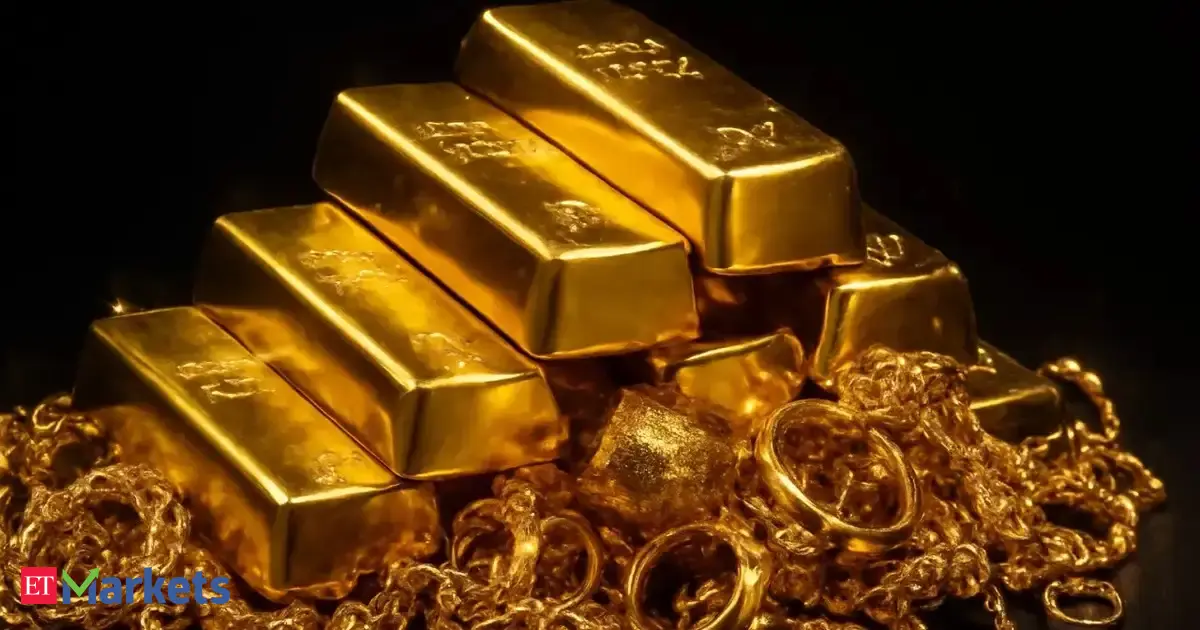
Gold climbed 3.4% to $4,383.90 an ounce after a U.S.-Iran deal helped push oil lower and eased inflation and rate-hike fears. Traders are now watching whether the agreement is signed and whether energy prices keep falling.
Gold extended its rally on June 15, rising 3.4% to $4,383.90 an ounce as traders priced in less pressure for future interest-rate hikes after a U.S.-Iran deal eased oil prices and inflation concerns.
The move was reported by both The Wall Street Journal and Barron's, which each said gold futures were up 3.4% at the same price level. The dollar also edged lower in the same market action, adding support to bullion.
Why Gold Moved
The immediate driver was the sharp drop in oil. Markets interpreted the U.S.-Iran agreement as reducing the risk of a wider energy shock, which in turn cooled inflation expectations. Lower energy prices can weaken the case for tighter monetary policy, and that has historically supported gold.
Barclays analysts said the metal could look more constructive if lower energy prices continue to ease inflation and rate pressures. They also noted that gold still has medium-term support from persistent inflation, policy uncertainty and reserve diversification.
Deal Details Still Matter
The reported agreement followed more than three months of conflict and was described by U.S. reporting as a step toward ending hostilities. According to the coverage, the deal includes plans to reopen the Strait of Hormuz after a Friday signing.
But some details remain unsettled. The Guardian reported that President Donald Trump said the deal was "now complete" and that the strait would reopen, while Iranian reporting cited in the coverage said the arrangement would proceed under "Iranian arrangements." The same reporting said a broader 60-day negotiation period still remains.
What Traders Are Watching
Gold is now approaching a technical level that analysts said could attract more buying if it holds above $4,400 an ounce.
The next key questions are whether the agreement is formally signed, whether the Strait of Hormuz reopening proceeds as reported, and whether the oil decline persists long enough to keep inflation and rate expectations under control.
Revision note
Initial automated publication.