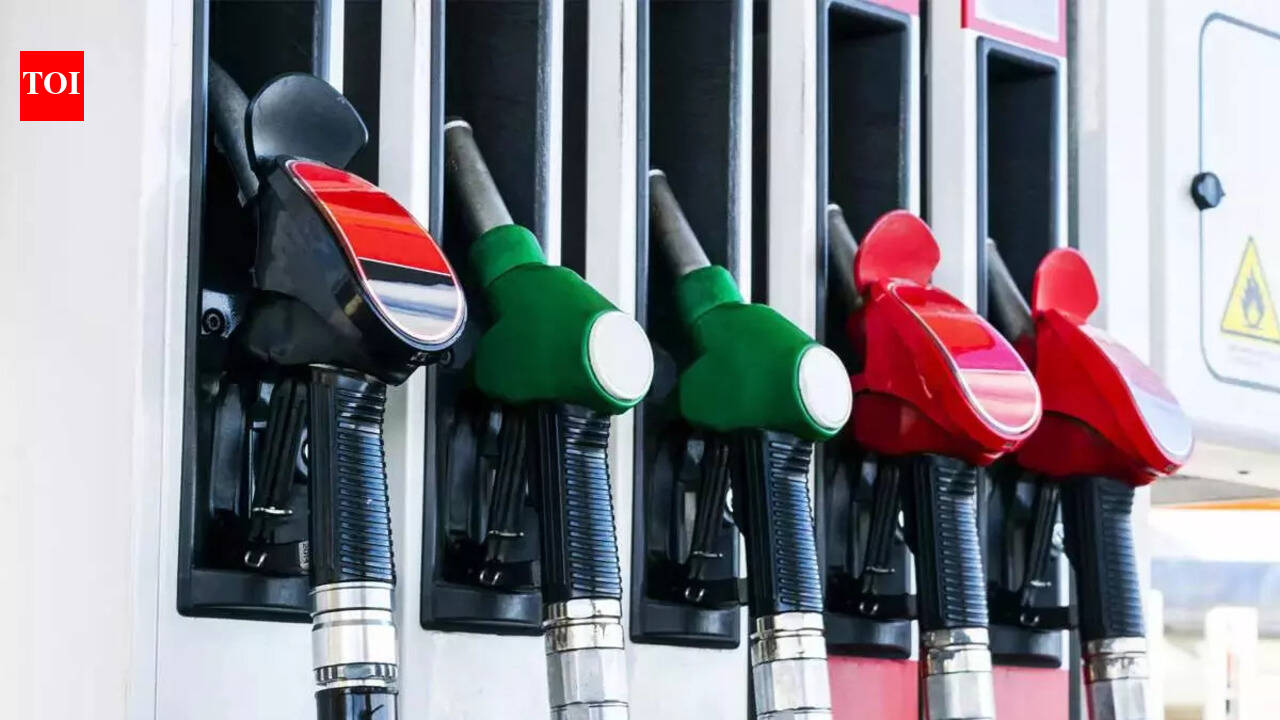
Indian media report that industrial, commercial and institutional users have been barred from buying petrol and diesel at retail fuel stations and told to use bulk procurement channels instead.
Industrial, commercial and institutional users in India have been barred from buying petrol and diesel at retail fuel stations, according to multiple media reports on June 12 and June 13. The move pushes those buyers toward bulk procurement channels and is aimed at keeping retail supply available for ordinary consumers.
The reported restriction marks a more formal response to a problem that had been building for weeks. Earlier reporting in May said some fuel queues were being linked to bulk diesel consumers shifting to retail outlets because of a large price gap. On May 22, the government said there was no fuel rationing. On May 28, it warned industrial consumers against buying diesel from retail pumps and said supplies were adequate.
What changed
The Economic Times reported on June 12 that industrial, commercial and institutional consumers were being restricted from buying fuel at retail stations. Times of India carried similar reporting the same day, saying affected users would have to use the bulk purchase route instead.
A follow-up Times of India report on June 13 said the government had also empowered itself to temporarily restrict bulk purchases of petrol and diesel from pumps during periods of supply stress. That report said the stated purpose was to prevent shortages, hoarding and diversion of fuel meant for ordinary consumers.
Together, the reports suggest the government is trying to keep retail pumps focused on individual motorists and other regular users, while moving larger fuel buyers away from the retail system.
Why it matters
The policy could change how industrial and commercial buyers manage fuel logistics and procurement. If they can no longer rely on retail stations, they may face higher operational complexity and potentially higher costs as they shift to bulk channels.
For ordinary consumers, the expected benefit is less pressure on fuel stations. If large buyers are pushed away from retail pumps, queue lengths could ease and availability at stations could improve.
The move also signals tighter government control over fuel distribution during periods of stress. The reports frame the policy as a way to reduce diversion of fuel, curb hoarding and protect retail supply.
How the issue developed
The chronology in the reporting points to a gradual tightening. In late May, the government publicly denied rationing and blamed some queues on bulk diesel consumers using retail outlets. A few days later, it warned industrial consumers not to buy diesel at retail pumps.
By June 12, the warning had become a broader reported restriction covering industrial, commercial and institutional users. By June 13, the government was also reported to have authorized temporary caps on bulk purchases during crunch periods, suggesting a wider toolkit for managing supply stress.
That sequence matters because it shows the reported policy was not a sudden one-off announcement. It appears to be the culmination of earlier concerns about queues, price differences and the use of retail outlets by large-volume buyers.
What is still unclear
The reporting does not yet include the text of a formal government notification or gazette order, so the exact legal wording remains unconfirmed.
It is also unclear whether the restriction is permanent or only meant to apply during periods of supply stress. The reports do not specify any exemptions for emergency services, fleet operators or other institutions.
Enforcement remains another open question. It is not yet clear how retail fuel stations will be instructed to identify affected buyers or whether penalties will be specified for violations.
What comes next
The next key development will be whether authorities publish the underlying order or provide a detailed implementation note. That would clarify who is covered, which channels remain open and how long the restriction will last.
Industry groups, fuel retailers and state authorities may also seek clarification on the operational impact. Bulk buyers will want to know how quickly they must transition to alternative procurement routes, while retail stations will need guidance on enforcement.
For now, the available reporting supports a clear policy direction: keep industrial, commercial and institutional buyers off retail pumps, and use bulk supply controls to protect regular consumer access to fuel.
Revision note
Initial automated publication.