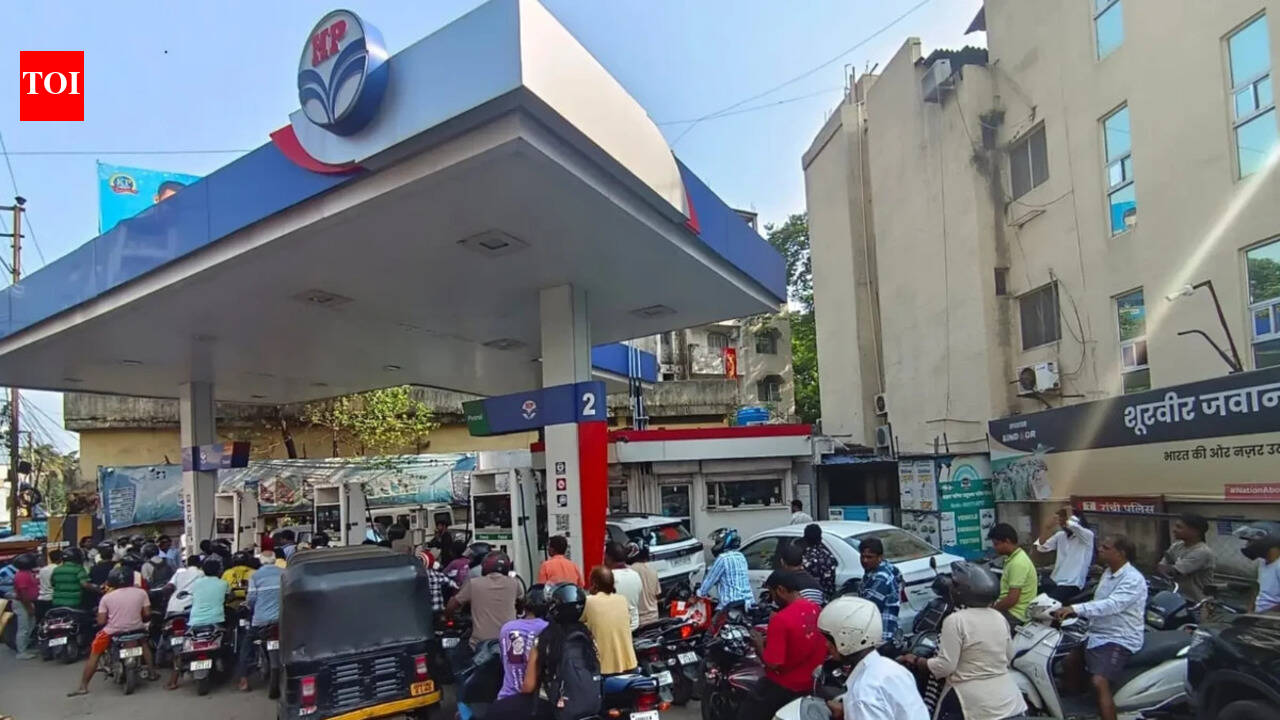
India has notified a temporary order allowing limits on bulk petrol and diesel purchases from retail fuel stations during supply stress. The move follows earlier reporting that industrial, commercial and institutional buyers were shifting to retail pumps because of a price gap, raising concerns over shortages, hoarding and diversion.
India has notified an order allowing temporary restrictions on bulk petrol and diesel purchases from retail fuel stations during periods of supply stress, according to reports. The move is intended to prevent shortages, hoarding and diversion of fuel meant for ordinary consumers.
The policy response comes after earlier reporting that industrial, commercial and institutional buyers had been shifting toward retail pumps because of a price gap between retail fuel and bulk procurement routes. That shift reportedly added pressure to stations and raised concerns about retail availability.
What the order changes
Reports say bulk buyers are being pushed back toward designated procurement channels rather than retail fuel stations. One report said the measure is being implemented under the Essential Commodities Act.
Another report said daily diesel sales at retail pumps are capped at 200 litres per vehicle or customer. The early reporting was not fully consistent on how broadly that cap applies, and it was not clear from the coverage whether the limit is diesel-only or part of a wider restriction framework.
Why the government acted
The stated rationale is to preserve retail fuel availability during supply stress. The order is meant to reduce the risk that retail stations, which serve ordinary motorists and other consumers, are crowded out by larger buyers seeking lower-cost fuel.
On May 22, 2026, the government said there was no nationwide rationing of petrol or diesel and attributed long queues at some pumps to bulk diesel consumers shifting to retail outlets because of a price gap of nearly Rs 42 a litre. That earlier explanation now sits alongside the new restriction order as part of the government's response to the same market pressure.
Who is affected
The reporting names industrial, commercial and institutional consumers as the main groups affected. Retail fuel stations and petrol pump operators will also have to follow any implementation guidance tied to the notification.
For bulk buyers, the practical effect appears to be a return to bulk procurement channels rather than routine purchases at neighborhood pumps. For retailers, the order should reduce the chance of congestion, but it may also require clearer enforcement rules.
What remains unclear
The exact text of the notification has not yet been widely published in the reporting reviewed. It is still unclear whether the order is nationwide, tied to specific stress conditions, or limited to certain regions.
It is also not settled how the retail-pump limits will be applied in practice. The reports differ on the scope of the restriction, including whether the 200-litre cap is a broad diesel rule or applies only under defined stress conditions.
What to watch next
The next key step is publication of the full notification and any implementation guidance for fuel retailers. That should clarify the categories of bulk buyers covered, the enforcement method and whether the measure is temporary or conditional.
Further reporting may also show whether the government treats the move as a short-term control to ease congestion and protect consumer supply, or as part of a broader policy shift in how bulk fuel demand is handled at retail outlets.
Revision note
Expanded with chronology, affected groups, policy rationale, unresolved scope, and follow-up context.