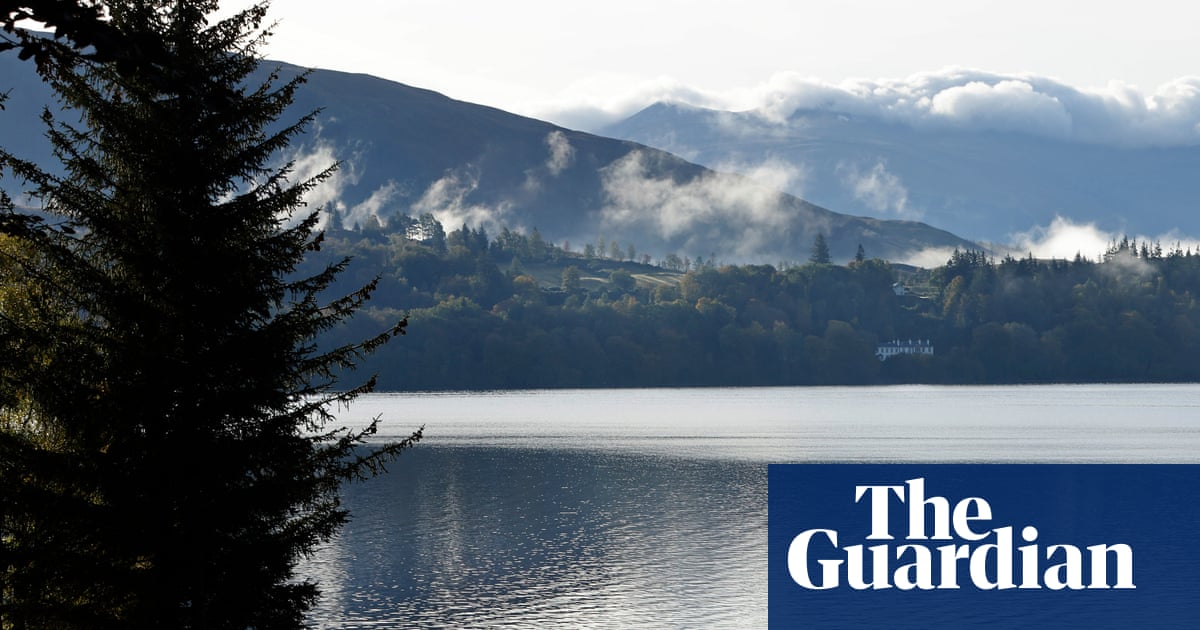
Ofgem has provisionally approved three pumped-storage hydro projects in Scotland, marking Great Britain’s first new hydropower projects in more than 40 years. The schemes are part of a wider 16-project storage round that still needs consultation and final approval in the autumn.
Ofgem has provisionally approved three pumped-storage hydro projects in Scotland, marking Great Britain’s first new hydropower projects in more than 40 years.
The projects are Loch Kemp, Coire Glas and Earba. They are being developed by Statera Energy, SSE and Gilkes Energy, and are expected to be built in northern Scotland using local lochs as reservoirs.
The approval is provisional, not final. Ofgem still has to complete consultation on the wider storage round before making a final decision in the autumn.
The three schemes are part of a broader package of 16 large electricity storage projects that won provisional support under the regulator’s cap-and-floor framework. The support model is designed to help finance major storage assets that can supply power when renewable generation is low and demand is high.
A long gap in British hydropower
If they go ahead, the Scottish schemes would end a gap of more than four decades without a new hydropower station coming into operation in Great Britain. The Guardian reported that the last pumped-storage hydro station to begin operations in Britain was Dinorwig in Wales in 1984.
That makes the latest approval symbolically important as well as operationally relevant. Pumped-storage hydro works by moving water between reservoirs at different heights, storing energy when demand is low and releasing it quickly when the grid needs electricity.
The timing also gives the decision added weight. The Financial Times reported that Ofgem’s move followed two emergency power supply notices during a heatwave that strained electricity demand and generation.
Why the projects matter
Britain’s electricity system is carrying more wind and solar power, which makes long-duration storage more valuable. Projects like these are intended to help balance supply over hours or days, not just in the short bursts served by batteries.
That matters for reliability. The wider storage round is meant to support grid stability and make it easier to depend on renewable generation without leaving the system exposed during periods of low output or high demand.
The projects also carry consumer-cost implications. Cap-and-floor support can reduce financing risk for developers, but it also raises questions about how much cost or risk ultimately falls on bill payers if the schemes proceed under regulated terms.
The projects and developers
The three pumped-storage schemes are being advanced by Statera Energy, SSE and Gilkes Energy. They are expected to be located in northern Scotland, where existing lochs can be used as part of the reservoir system required for pumped storage.
The projects are among the most significant storage proposals in the current round because of their scale and duration. Ofgem’s provisional approval gives them an important early regulatory step, but it does not lock in final contracts or construction.
Developers now face the next phase of design work, financing preparation and delivery planning. That process will determine whether the projects can move from provisional support to actual construction.
What happens next
Ofgem is expected to run consultation before issuing a final decision in the autumn. Until then, the approvals remain provisional and the project list could still change.
The immediate next questions are practical ones: the exact capacity, funding terms and construction timelines for each scheme, and whether developers issue fuller statements on how the projects will be delivered.
For now, the decision is a notable restart for large-scale hydropower in Great Britain. It links an older storage technology to a newer grid problem: how to keep a more renewable-heavy electricity system reliable during tight supply conditions and periods of high demand.
Revision note
Initial automated publication.