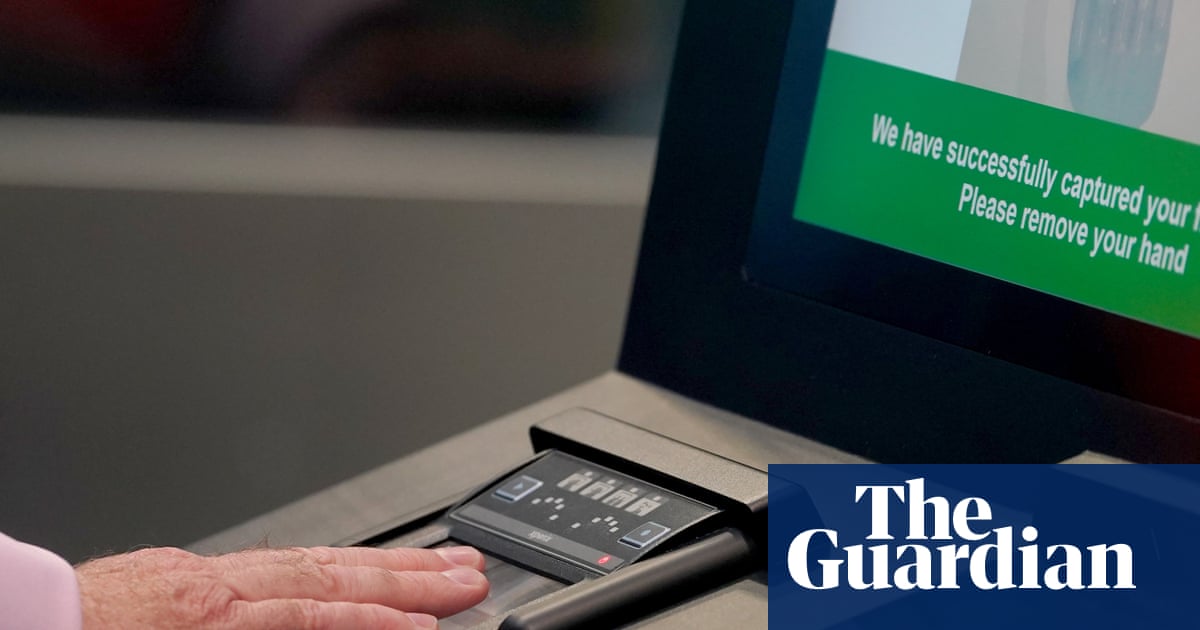
Fraport Greece CEO Alexander Zinell says the EU's biometric Entry/Exit System needs a complete overhaul after reports of long queues and technical failures at busy Greek airports during the summer peak.
Fraport Greece chief executive Alexander Zinell has called for a complete overhaul of the European Union's new biometric border system, saying it is not coping with the pressure of peak summer travel at some of Greece's busiest airports.
Zinell said the EU Entry/Exit System is producing long queues and technical failures at automated border booths, with disruption reported at Corfu, Rhodes, Crete and Mykonos. The issue is emerging during the busiest part of the travel season, when Greece's regional airports are already under heavy strain.
The criticism is a fresh escalation in debate over the rollout of the system, which the EU fully activated in April 2026 as part of a wider effort to record non-EU travelers entering the Schengen area with biometric checks.
The case for redesign
Zinell argued that the current setup needs more than minor fixes. He said travelers should be pre-registered before arriving, pointing to systems used in the UK, the US and Canada.
His comments reflect a broader concern among airport operators that the new process does not match the operational realities of busy Mediterranean airports, especially on Greek islands that depend on fast-moving tourist traffic.
Why Greece is exposed
Greece's regional airports are particularly vulnerable because demand is concentrated into a short high season and many island airports have limited capacity to absorb delays.
Even small slowdowns at border controls can quickly translate into longer queues, missed connections and wider disruption for passengers and airlines. That risk is especially acute at airports handling large volumes of non-EU visitors, including UK citizens.
According to the reporting, Greek police have temporarily suspended biometric checks for UK citizens in Greece to ease pressure on the system.
Brussels stance
The European Commission has acknowledged technical problems, but is not currently planning to suspend the system or extend broad exemptions.
That leaves airport operators and national authorities pressing for more operational flexibility while Brussels resists a wider pause in the rollout.
Earlier reporting had already highlighted difficult spots in the EES implementation and complaints about queues and delays at border points elsewhere in Europe. The Greek airport warnings add a specific summer test case for the system's design and capacity.
What comes next
The immediate questions are whether the European Commission or Greek authorities will announce any broader operational changes before the rest of the summer peak, and whether the temporary workaround for UK travelers will be extended.
Further attention is likely to fall on queue times, staffing levels and whether other airports or member states seek temporary flexibility as the system beds in.
Revision note
Initial automated publication.