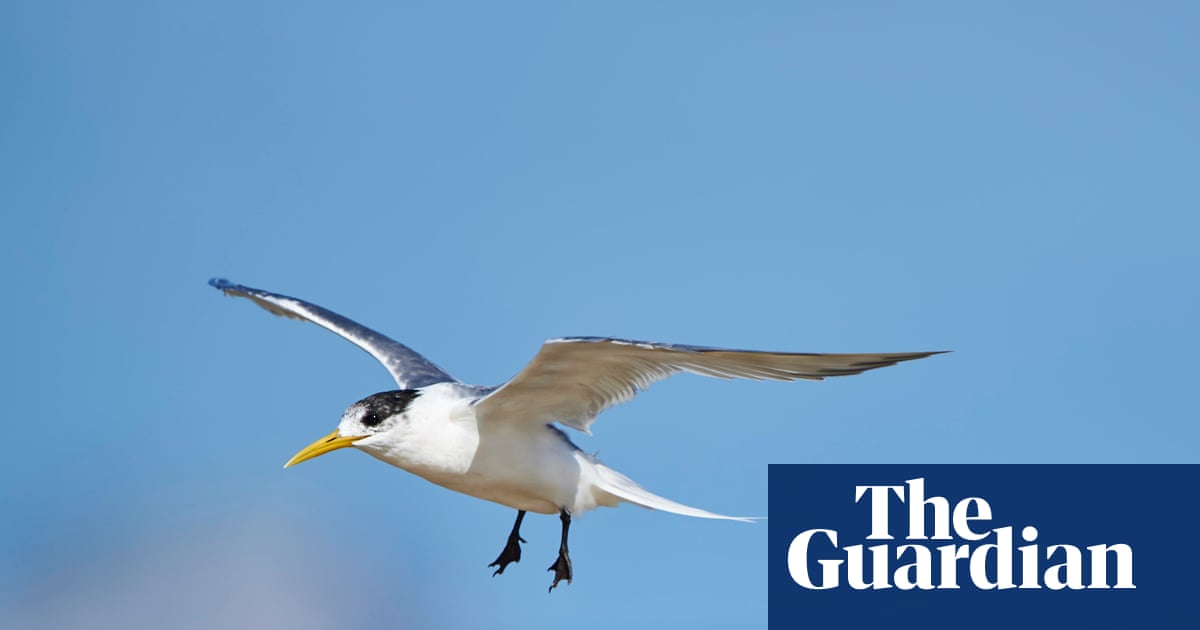
Australia has confirmed H5 bird flu in a native greater crested tern found dead at Robe Marina, the first such detection in a resident Australian seabird. Authorities say there is no evidence of poultry spread or mass bird deaths, but coastal surveillance is being stepped up.
A greater crested tern found dead at Robe Marina on South Australia’s Limestone Coast has tested positive for H5 bird flu, marking the first confirmed detection in a native Australian seabird.
Federal Agriculture Minister Julie Collins said CSIRO testing confirmed the case. She described the finding as concerning but not unexpected and said Australia’s biosecurity system was working.
The bird was reported by a member of the public and collected for testing on the same day, according to South Australian reporting. The result was then made public on Friday, July 10.
Why this case matters
Until now, confirmed Australian H5 detections had been linked to migratory seabirds rather than resident native species. That makes the Robe case a significant shift for wildlife and biosecurity officials watching for signs the virus may be establishing in local coastal bird populations.
Greater crested terns live around Australia’s coasts and mix with other seabirds. Experts quoted in coverage said the result could point to local transmission, rather than only an infected migratory bird passing through the area.
BirdLife Australia and other wildlife groups have warned that if H5 becomes established locally, it could spread through vulnerable coastal species, including seabirds and marine mammals.
Official response
South Australian authorities said the Robe case appears isolated and that enhanced coastal surveillance is now under way. Officials also said there is no evidence so far of mass bird deaths in the area.
State and federal authorities have also stressed that there is no evidence of infection in poultry or broader agricultural spread. That distinction matters because the immediate concern is whether the virus is circulating in wildlife along the coast rather than in farmed birds.
South Australian primary industries minister Clare Scriven and chief veterinarian Skye Fruean are among the officials involved in the response. Community information sessions are scheduled to begin on July 16.
Additional detections and open questions
South Australian reporting on July 10 also said two giant petrels in the state tested positive for bird flu. Those cases may help authorities determine whether the Robe tern is part of a wider wildlife pattern, though officials have not said the detections are linked.
A separate report noted a dead New Zealand fur seal in New South Wales was under testing, but that case has not been confirmed in the research packet. For now, the only confirmed new finding is the greater crested tern in South Australia.
The key unanswered question is whether the Robe bird represents a one-off spillover event or the start of local transmission. Authorities are also watching for any sign the virus is moving into other coastal species.
What happens next
Further surveillance is focused on South Australia’s coastline and nearby wildlife colonies. Officials are asking the public to report any additional sick or dead birds so they can be tested quickly.
The next updates will likely show whether more positives emerge in the same area and whether the giant petrel cases are epidemiologically connected to the tern.
For now, the confirmed facts point to a new and closely watched development: H5 bird flu has been found in a native Australian seabird for the first time, and the response is shifting toward coastal monitoring.
Revision note
Initial automated publication with expanded verified context.