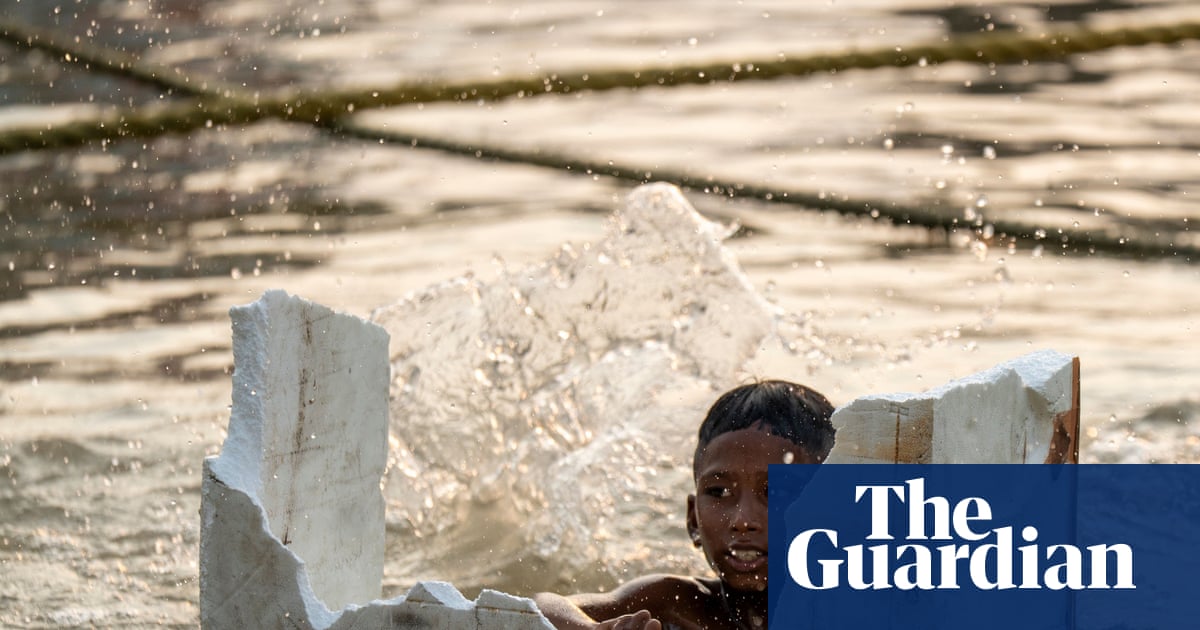
UNICEF says more than 1 billion children, about half of the world’s child population, are exposed to at least three climate hazards. The report highlights severe risk in the Sahel, Bangladesh, Myanmar, Pakistan and Italy, and warns that damaged infrastructure is making it harder for children to reach school and services.
UNICEF says more than 1 billion children are exposed to at least three climate hazards, a figure that amounts to about half of the world’s child population.
The agency’s new global assessment says almost every child on Earth faces at least one climate hazard, but the burden is far heavier for children living where heat, floods, drought and storms overlap. UNICEF says 123,000 children experience more than six hazards over the course of their lives.
The report is built around eight hazards: coastal floods, drought, extreme heat, fires, heatwaves, river floods, sand and dust storms and tropical storms. UNICEF’s warning is not just about isolated disasters, but about repeated exposure that can compound over time and disrupt childhoods for years.
Where the risks are highest
UNICEF identifies the Sahel as one of the hardest-hit regions, saying more than 4 million children there face heatwaves, extreme heat and sand and dust storms.
The report also says children in Bangladesh, Myanmar and Pakistan are exposed to more climate hazards than anywhere else in the world. In Italy, UNICEF says more than 6 million children are exposed to prolonged heatwaves and drought.
UNICEF executive director Catherine Russell said children are living with at least three overlapping climate threats that are shaping their daily lives. The agency says climate stress is already worsening risks to roads, bridges and other infrastructure children depend on.
What it means on the ground
One example highlighted in the reporting comes from Papua New Guinea, where a washed-out bridge has left schoolchildren swimming a river to reach class. UNICEF cites the case to show how climate damage can disrupt education and everyday mobility, not just cause direct injury.
That kind of infrastructure failure can also cut children off from health care, classrooms and other basic services. When roads and bridges are damaged, the effects go beyond a single storm or flood and can become a daily barrier to learning and safety.
UNICEF is calling on governments and businesses to cut emissions and invest in climate-resilient health, education and infrastructure systems. The agency says adaptation spending needs to account for children’s specific risks, not just national averages or overall exposure.
The report arrives as climate impacts increasingly show up as cumulative pressures rather than isolated emergencies. UNICEF’s central message is that children are already living with the consequences, and that stronger planning is needed before damaged infrastructure and repeated hazards deepen the harm.
Revision note
Initial automated publication.