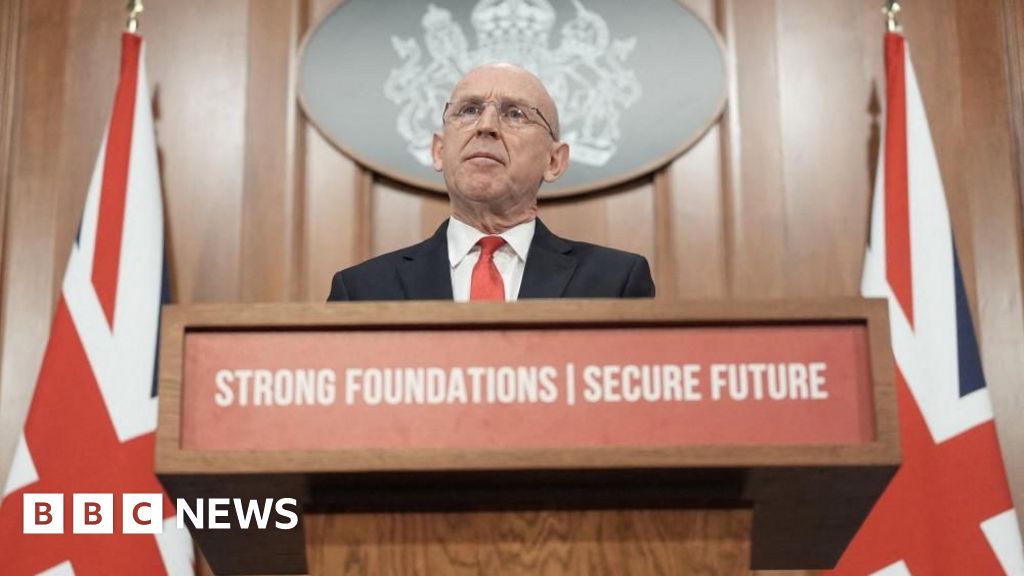
John Healey resigned as UK defence secretary on June 11, 2026, after objecting to the government’s Defence Investment Plan and arguing it left military readiness underfunded and spending too backloaded.
Resignation
John Healey resigned as UK defence secretary on June 11, 2026, after objecting to the government’s Defence Investment Plan and telling the prime minister and Treasury that the funding settlement fell short of what the armed forces needed.
The resignation turned an internal dispute over defence funding into a public political problem for the Labour government. Reporting from the BBC, the Associated Press and the Guardian said Healey quit because he believed the plan underfunded military readiness and pushed too much of the money into later years.
Healey has served as defence secretary since Labour took office in July 2024. His departure came as the government was still preparing to publish the Defence Investment Plan, meaning the disagreement surfaced before ministers had completed the public rollout.
The Funding Dispute
The row was not only about how much extra money the government was planning to put into defence, but also about when that money would arrive. Reporting says Healey objected to a package he saw as too backloaded, with near-term pressures on readiness and procurement left unresolved.
According to the Guardian, the settlement would raise defence spending to 2.68% of GDP by 2030. Healey’s complaint, as reported, was that this still left defence spending too low in the period when the armed forces needed more immediate support.
The same reporting said only about £10 billion of the proposed £13.5 billion package was genuinely new money. That distinction appears to have been central to the dispute over whether ministers were making a real near-term commitment or largely repackaging existing plans.
AP reported that Prime Minister Keir Starmer has pledged defence spending of 2.5% of GDP by 2027 and 3% by 2034. Healey’s resignation lands in the middle of a broader argument about how quickly those promises should be turned into usable funding.
Political Context
The resignation also highlights the friction that can arise between the Ministry of Defence and the Treasury when ministers are trying to balance military spending with fiscal control. Healey’s decision suggests the dispute reached a point where he was unwilling to defend a plan he believed was insufficient.
The stakes are significant for the government because the issue touches military readiness, procurement planning and NATO-facing defence commitments. A dispute over the pace of spending is not just a budget argument; it goes directly to whether the armed forces can plan and equip themselves on time.
It is also a test of cabinet authority. A resignation over defence spending carries more weight than a routine ministerial departure because it combines national security, fiscal discipline and the government’s credibility on both.
The timing is awkward for Labour because the row lands while the Defence Investment Plan is still pending. That means the government now has to answer both the substance of the plan and the handling of the dispute that led to Healey’s exit.
What Comes Next
The immediate questions are who will replace Healey at the Ministry of Defence, whether Downing Street will alter the Defence Investment Plan, and whether the funding figures will change before publication.
Reporting in the research packet says those are the main next steps to watch, along with any public statement from Healey explaining his decision in more detail. Parliament is also likely to scrutinise the timetable closely.
The central issue for ministers is whether they can meet their defence pledges without pushing too much of the spending into later years. For now, Healey’s resignation has made that argument public, and it has put fresh pressure on the government to show that its defence plans are credible in both scale and timing.
Revision note
Expanded the resignation story with fuller chronology, funding details, political context and next steps.