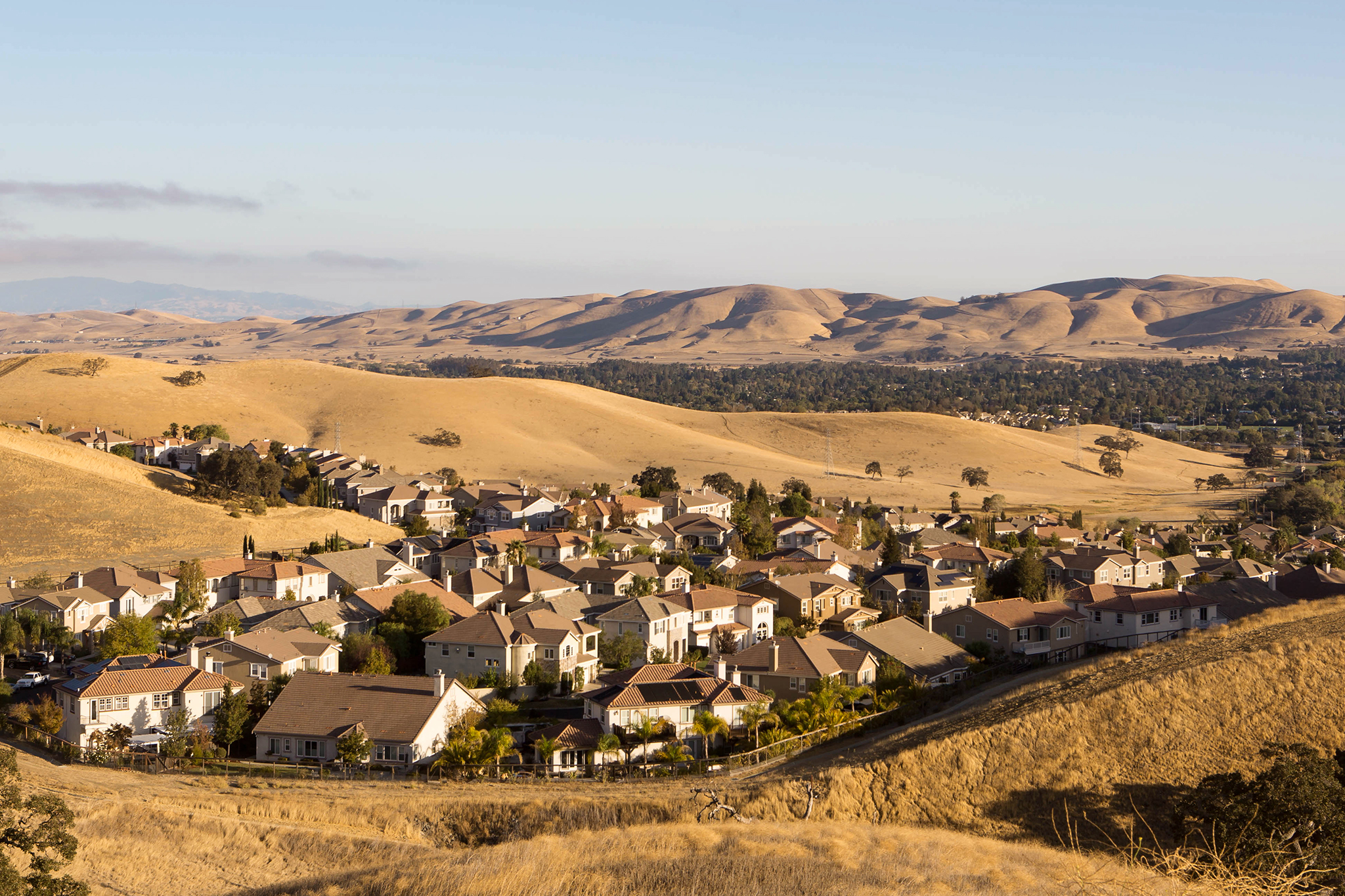
The National Weather Service has issued a Bay Area heat advisory beginning Thursday as inland temperatures surge sharply, with red flag warnings also in effect for parts of the North Bay and East Bay hills.
Bay Area residents are heading into a fast midweek warm-up that is expected to peak Thursday, when the National Weather Service says a heat advisory will take effect for parts of the region.
The advisory arrives as inland temperatures climb sharply and fire weather concerns increase in parts of the North Bay and East Bay hills. Local forecasts cited in reporting show some inland communities pushing past 100 degrees, while even San Francisco is expected to see a notable jump.
Thursday is expected to be the hottest day of the week. The National Weather Service said temperatures in parts of the region could run 5 to 25 degrees above average, with the sharpest heat inland.
What is driving the warm-up
Meteorologist Lamont Bain told SFGATE that offshore flow is suppressing the marine layer, the cool ocean influence that often keeps Bay Area temperatures in check. With that layer weakened, warmer air is moving farther inland and, in some cases, closer to the coast.
That setup fits the broader pattern described in the reporting: a high-pressure ridge over the eastern Pacific combined with reduced marine influence. In the Bay Area, that can create a sharp contrast between coastal neighborhoods and inland valleys within the same day.
The warming did not begin all at once. Forecasts started showing a notable midweek rise on Wednesday, with interior areas moving into the 90s before the hottest conditions arrive Thursday and, in some places, linger into Friday.
The shift also comes early in the season, when people may not yet be acclimated to sustained heat. That raises the risk of heat-related illness for older adults, outdoor workers and other vulnerable residents.
Where the heat will be strongest
Local reporting cited forecast highs of 104 degrees in Concord, 95 degrees in San Jose and 84 degrees in San Francisco. Those numbers underscore how uneven Bay Area heat events can be, with inland valleys taking the brunt of the surge while the coast remains comparatively cooler.
The San Francisco Chronicle reported that the interior North Bay and East Bay were likely to see the strongest heating, with some locations reaching the 90s by Wednesday and potentially nearing 100 degrees on Thursday and Friday.
That inland-coastal split is a familiar Bay Area pattern, but the scale of the temperature jump makes this event stand out. Places that remain mild on most June days can see a sudden spike when the marine layer breaks down and offshore winds take over.
The National Weather Service advisory beginning Thursday is meant to flag that kind of rapid warm-up, especially for residents who may not be expecting near-100-degree heat this early in June.
Fire weather risk is rising too
The heat is only part of the threat. Red flag warnings were in effect for parts of the North Bay and East Bay hills because of hot, dry and windy conditions.
SFGATE reported that wind gusts could reach 45 mph, and up to 60 mph on ridgetops. Those kinds of winds can fan any new ignition and make fast-moving fire behavior more likely when fuels are dry.
SFGATE also said this was the Bay Area's first red flag warning of the year. The Chronicle separately reported that fire weather risk was elevated from late Tuesday through Thursday, particularly in the North Bay and East Bay hills.
The concern is not just theoretical. Late-season warmth, low humidity and gusty offshore flow can combine to dry vegetation quickly, creating conditions that favor rapid fire spread if a spark occurs.
Power shutoff risk
PG&E has also warned of possible public safety power shutoffs in parts of Northern California as the weather pattern worsens. A Chronicle report said the utility was preparing for possible outages in Napa, Sonoma, Colusa, Glenn, Lake, Sutter, Tehama and Yolo counties.
According to that reporting, the utility's warning was tied to the same wind and wildfire risk behind the red flag alerts. The report said some impacts could begin Wednesday evening in affected areas.
That means the weather could affect more than comfort levels. For some residents and businesses, it may also mean planning for outages, backup power needs and possible disruption to travel, work and daily routines.
Who is most exposed
The highest heat risk is expected inland, where temperatures may climb into the 90s and in some places near or above 100 degrees. Outdoor workers, people without reliable cooling and older adults are among those most exposed to heat-related illness.
Fire risk is also concentrated in dry, windy terrain, especially the North Bay and East Bay hills. Residents in those areas may face not only a hotter afternoon but also elevated concerns about smoke, evacuation readiness and utility shutoffs.
Even shoreline communities are not entirely insulated. San Francisco is forecast to warm noticeably, and the broader region is likely to feel the abrupt change after a relatively mild stretch.
That combination of heat, wind and dry fuels is why forecasters and utilities are treating the event as more than a routine warm spell.
What happens next
Forecasters expect some cooling on Friday, though the pace of relief may vary across the Bay Area. Coastal communities should avoid the most extreme heat, but inland areas may stay warm enough to keep impacts elevated into the end of the week.
Officials and forecasters will be watching whether the heat advisory is extended, expanded or downgraded after Thursday, and whether fire weather alerts change as the wind pattern shifts.
PG&E could also issue more specific shutoff guidance if the fire weather risk persists. For now, residents across the region are being asked to pay close attention to local updates, especially if they live in inland valleys or in the hills where the wind and fire danger are greatest.
The main concerns remain heat-related illness, wildfire spread in dry windy terrain, possible power disruptions and the impact of a rapid temperature swing on everyday plans.
Revision note
Expanded the story to cover the full verified heat, fire-weather, and PG&E risk picture with added chronology and context.