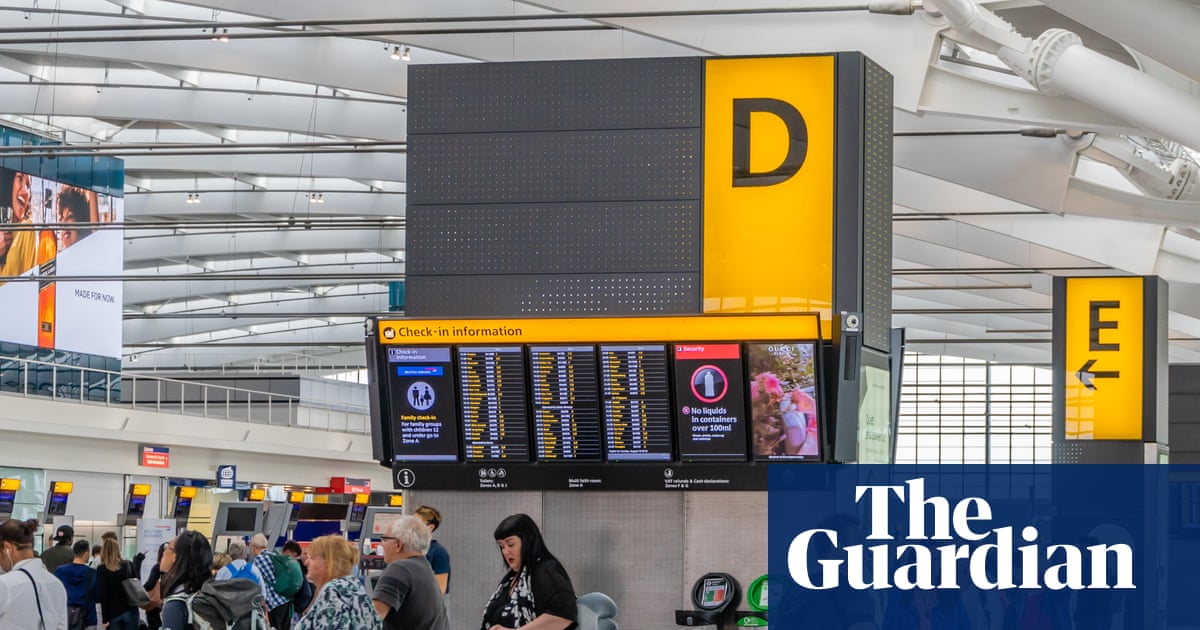
Heathrow has cut its 2026 traffic outlook and warned profits will fall after the Middle East conflict began to weigh on broader travel demand. The airport now expects 83.6 million passengers in its base case, down from 84.5 million, and said traffic could drop as low as 80.1 million if conditions worsen.
Heathrow has cut its 2026 passenger forecast and warned that profits will fall this year as the conflict in the Middle East weighs on travel demand.
The airport now expects 83.6 million passengers in 2026, down from a previous base-case forecast of 84.5 million. It also said traffic could fall as low as 80.1 million if the disruption and wider demand weakness persist.
The update was issued to investors on June 26 and said the conflict is putting notable downward pressure on traffic. Heathrow also warned that volatility in the Middle East could dampen broader global travel demand for the rest of the year.
Traffic outlook
Heathrow said the weaker outlook is not just about direct disruption on routes into and out of the region. The airport’s message was that the conflict is now feeding into broader demand patterns, including long-haul and connecting traffic that moves through London’s hub.
That matters because Heathrow is Europe’s busiest airport and a major transfer point for Europe-Asia and Middle East traffic flows. A softer traffic profile can reduce airline charge income and weigh on overall earnings, while also influencing route planning and pricing decisions by airlines using the airport.
The airport’s latest update comes after a stronger start to the year than the revised full-year outlook suggests. Heathrow said 32.8 million passengers used the airport in the five months to the end of May, up 0.7% year on year.
Profit and earnings
Reporting from multiple outlets says Heathrow expects profit or adjusted earnings to fall to about £1.88 billion, down from about £2.03 billion last year. Depending on the measure used, that implies a decline of roughly £147 million to £153 million year on year.
The reports differ on the exact earnings label. Some describe the figure as operating profit, while others refer to adjusted EBITDA or adjusted earnings. Heathrow’s investor language points in the same direction either way: lower traffic and higher costs are pressuring the outlook.
The Times also reported that costs are expected to rise by more than 10%, adding another strain to the airport’s financial guidance.
What Heathrow said
In its investor update, Heathrow said the ongoing conflict in the Middle East is putting notable downward pressure on traffic. It also said the risk is that volatility in the region could dampen broader global travel demand for the rest of the year.
That broader warning is important for a hub airport. Heathrow’s business is shaped not only by point-to-point travel, but by international connection flows that can change quickly when airlines and passengers react to geopolitical risk.
The airport had earlier in 2026 looked on track for a stronger year, but the new guidance suggests the second half will depend heavily on whether travel demand stabilizes.
What to watch next
The main question now is whether Heathrow publishes a fuller investor presentation or additional guidance that explains the assumptions behind the revised range.
Another point to watch is whether other major hub airports begin warning about similar demand softening from Middle East disruption. If that happens, it would suggest the effect is broadening beyond Heathrow and beyond the region itself.
Heathrow’s own forecast still leaves a wide gap between its 83.6 million base case and the 80.1 million downside case. How close traffic lands to either end will depend on how the conflict and wider travel conditions develop through the rest of the year.
Revision note
Initial automated publication.