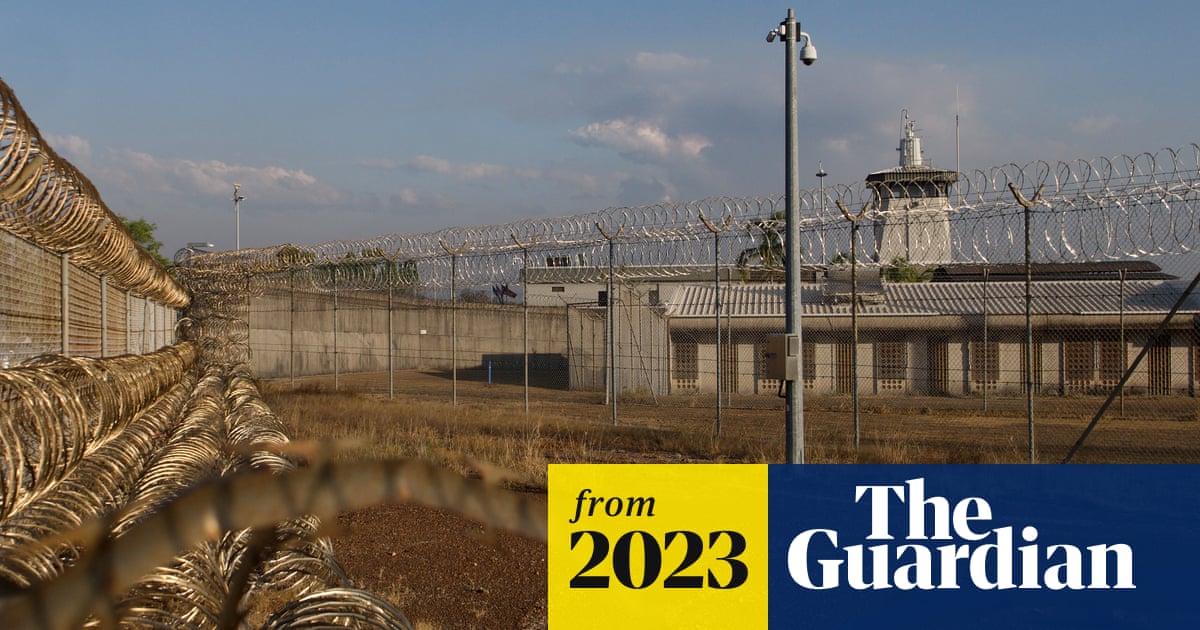
The High Court has reduced exemplary damages for four former Don Dale detainees over the 2014 tear-gassing incident, cutting the punishment-style component to $50,000 each while leaving a total award of $360,000 in place.
The High Court has reduced the damages awarded to four former Don Dale youth detainees over the 2014 tear-gassing incident, cutting the exemplary damages component to $50,000 each and leaving a total award of $360,000.
The ruling concerns Josiah Binsaris, Kieran Webster, Leroy O'Shea and one unnamed former detainee who was 16 at the time of the incident. It follows years of litigation over the Northern Territory government's conduct at the Don Dale Youth Detention Centre.
The court's decision did not remove the award altogether. Instead, it lowered the punishment-style damages from the $200,000 each that had previously been awarded, while leaving the underlying finding that exemplary damages were warranted.
The 2014 incident
The case stems from an incident in 2014 when boys were tear-gassed while locked in their cells at Don Dale. The event became one of the best-known examples of misconduct in youth detention in the Northern Territory.
The matter has since been the subject of repeated legal and public scrutiny. The High Court's latest ruling is the newest development in a long-running case that has already drawn attention to conditions inside the centre and the treatment of children in custody.
How the damages changed
According to the reporting, the Northern Territory Supreme Court awarded almost $1 million in damages to the four former detainees in 2023. That award was later reduced on appeal.
The High Court has now trimmed the exemplary damages component again, but has not eliminated it. The new figure leaves each claimant with $50,000 in exemplary damages, for a total award of $360,000.
Exemplary damages are meant to punish wrongdoing and deter similar conduct in future. They are different from ordinary compensation, which is intended to cover loss.
The legal significance of the ruling is that the court still accepted some exemplary damages were justified, even though it decided the amount should be much lower than first awarded.
Who the claimants are
Three of the claimants have been named in reporting: Josiah Binsaris, Kieran Webster and Leroy O'Shea. The fourth is described as a former 16-year-old detainee and remains unnamed in the available coverage.
The case keeps the focus on the Northern Territory government and youth justice officials, whose handling of the 2014 incident has been criticised for years.
North Australian Aboriginal Justice Agency, or NAAJA, has been involved in relaying the detainees' position publicly.
Reaction and significance
Guardian live coverage said the High Court found the detainees were entitled to exemplary damages, but at a lower level than originally ordered. It also quoted a statement attributed to Leroy O'Shea through NAAJA.
That statement framed the case as about recognition that what happened was wrong, and about young people in detention having rights and dignity.
The wider significance of the ruling goes beyond the dollar figure. It keeps alive the accountability question at the centre of the Don Dale case: what consequence should follow when authorities use unlawful force against children in custody?
The outcome also adds to ongoing public scrutiny of detention conditions in the Northern Territory, including staff training, supervision and the broader standards applied in youth detention centres.
What remains unclear
The reporting available so far does not set out the High Court's full reasoning for reducing exemplary damages to $50,000 each. A more detailed judgment may explain the legal path the court took.
A formal response from the Northern Territory government was not confirmed in the available coverage. It was also not clear whether the unnamed claimant's identity will remain suppressed in all future reporting and court material.
For now, the immediate outcome is clear: the court has reduced the payment, but left damages in place for the four former detainees.
The case is likely to remain part of the broader debate over youth detention, legal accountability and the use of force by authorities in the Northern Territory.
Revision note
Initial automated publication.