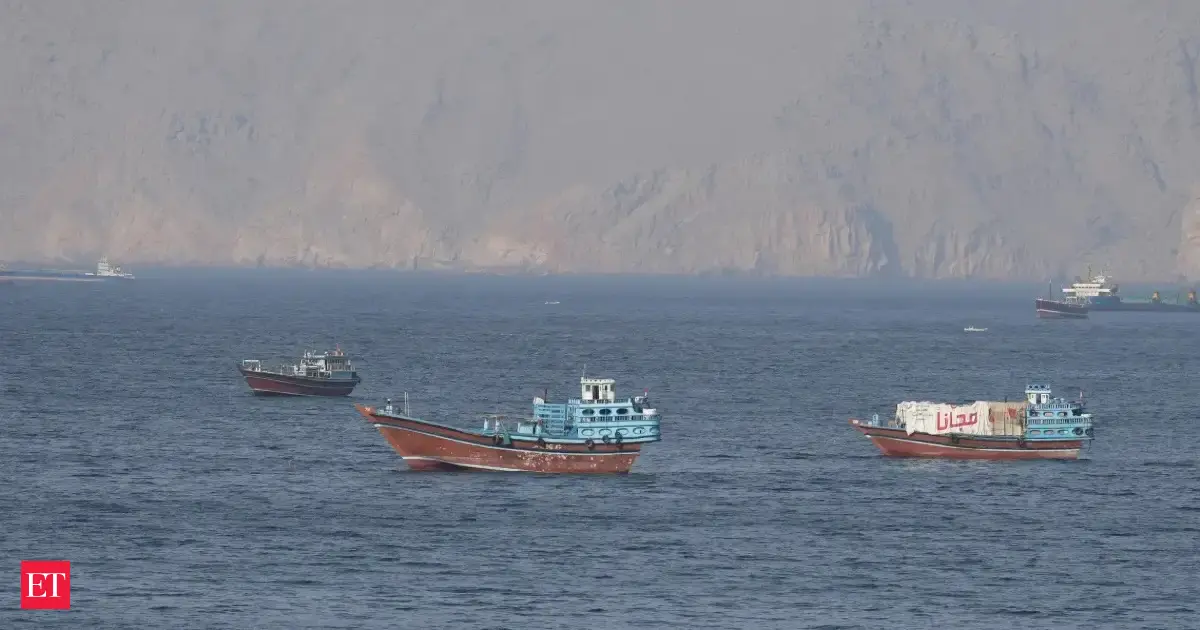
Tanker traffic through the Strait of Hormuz is showing partial recovery after the wartime disruption, according to fresh reporting, though volumes remain below pre-war levels. Indian refiners are among the near-term beneficiaries as they tap alternative crude supplies and wider price spreads.
Tanker traffic through the Strait of Hormuz is showing signs of recovery after the wartime disruption that hit one of the world’s most important oil chokepoints, according to fresh reporting from S&P Global Commodity Insights and MarketWatch.
The rebound appears to be real, but it is still partial. Traffic remains below pre-war levels, and the market is still adjusting to higher freight rates, insurance concerns and the risk that vessels could again be stranded if conditions worsen.
How the rebound is unfolding
MarketWatch reported that tankers are being lured back into the strait by bigger payouts, with traffic rising in both directions. It cited Windward data showing 21 transits in a single day and said about 162 laden tankers remained stranded, carrying roughly 120 million barrels of crude.
That points to a market-driven recovery rather than a full normalization. Some shipowners are returning because the economics now justify the risk, but the flow has not recovered far enough to suggest the disruption is over.
The disruption that came before
The current improvement follows weeks of severe disruption in and around the strait. The Guardian reported on June 19 that normal shipping had not resumed and said roughly 80 naval mines were blocking the central route.
It also reported that around 600 vessels had been stranded since February and that the southern Omani coastal route remained risky. Against that backdrop, even a rise in tanker transits still leaves the passage vulnerable to renewed bottlenecks.
Indian refiners are among the early winners
Indian refiners are emerging as one of the near-term beneficiaries of the dislocation. The Economic Times, summarizing the S&P Global reporting, said they are benefiting from the disruption through wider crude price differentials and greater sourcing flexibility.
Times of India reported earlier that India had increased purchases of Russian and UAE crude as refiners hedged ahead of a fuller reopening in Hormuz. That shift underscores how buyers are adapting to an unsettled shipping route by broadening supply sources.
Why the strait still matters
The Strait of Hormuz remains critical to global oil trade because it connects Gulf producers with buyers in Asia and beyond. Any sustained recovery in shipping activity can affect freight rates, insurance pricing and the broader flow of crude through world markets.
But a better day of traffic does not mean the system has returned to normal. The market is still working through the aftereffects of the crisis, and the central question is whether the rebound lasts once shipowners, insurers and traders are willing to accept lower risk premia.
What to watch next
The key signals now are whether traffic keeps rising toward pre-crisis levels, whether insurers and shipowners accept the route at lower premiums, and whether Indian refiners keep leaning on Russian and UAE crude if Hormuz throughput improves.
The reporting provided does not show a confirmed official breakthrough on mine-clearing or corridor safety. Until there is clearer evidence of that, the recovery in Hormuz shipping is best understood as partial and fragile, not complete.
Revision note
Initial automated publication.