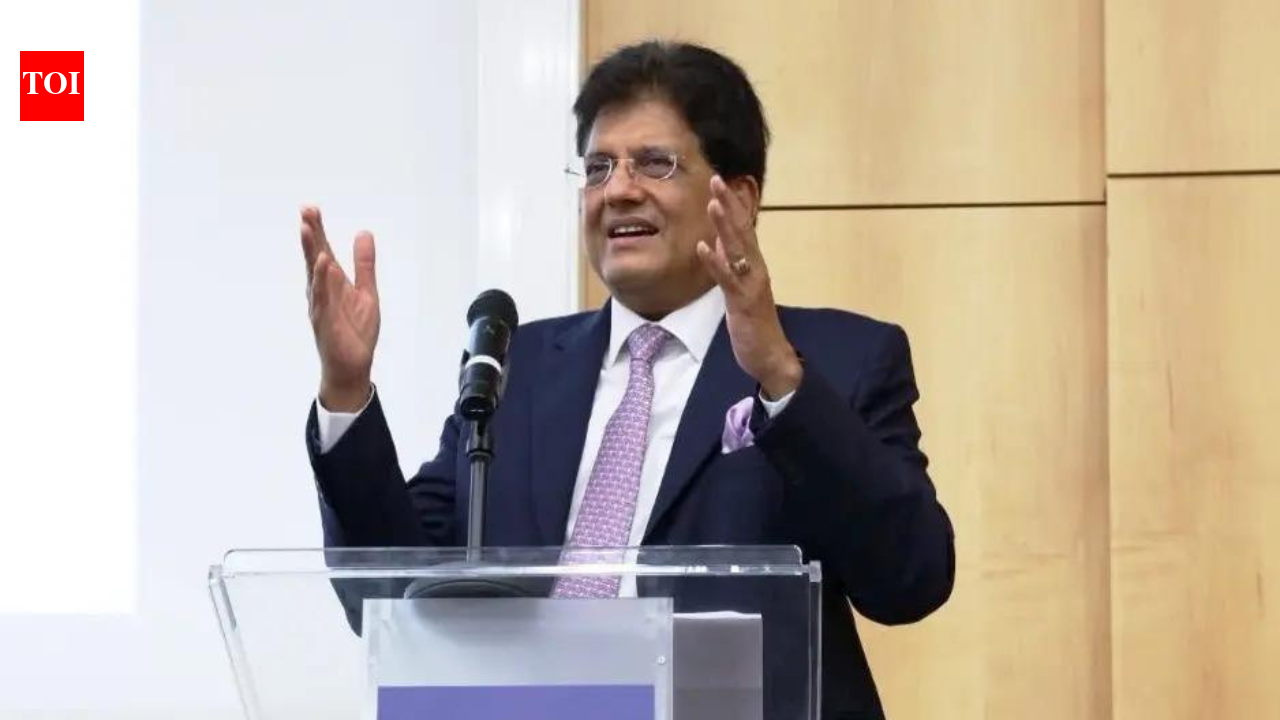
Commerce and Industry Minister Piyush Goyal has asked state governments to identify products that are currently imported but could be manufactured in India at competitive cost, extending his push for domestic production.
Commerce and Industry Minister Piyush Goyal has asked Indian states to identify products that are currently imported but could be manufactured domestically at competitive cost, according to reports on Friday.
The request extends a familiar message from Goyal, who in May urged manufacturers to focus on goods that are usually imported and can instead be made in India. The new call shifts that message to state governments, asking them to help map import-heavy products that could be shifted into local production.
The reports said the comments came in New Delhi in the context of a Board of Trade meeting, where Goyal also reiterated the government’s broader export and manufacturing agenda.
What Goyal asked states to do
Goyal wants states to identify products that India imports but could produce competitively at home. The idea is to build a clearer pipeline of sectors where local manufacturing could replace imports without losing cost competitiveness.
The reports did not identify specific products or sectors in the latest round of coverage. No official ministry note or transcript was located in the search results reviewed for this story.
A continuing policy theme
The latest pitch follows similar remarks in May, when Goyal told industry to look for products that are commonly imported and can be made in India instead. That earlier messaging framed import substitution as part of a broader push for swadeshi production and stronger domestic capacity.
The July 3 appeal to states adds another layer to that campaign. State governments can play a role in identifying industrial clusters, local suppliers and production gaps, especially in sectors where imports remain high.
Why it matters
The push could influence how states think about industrial policy, especially if they begin flagging import-heavy products as candidates for local manufacturing support. It may also shape future incentives, procurement discussions or investment pitches aimed at building domestic capacity.
The broader policy frame fits with the government’s Make in India and Aatmanirbhar Bharat messaging, which has increasingly emphasized reducing reliance on imports while expanding manufacturing output.
What to watch next
The next signals to watch are a formal note from the commerce ministry or a public transcript from the Board of Trade meeting, as well as any state-level responses identifying products or sectors for domestic production.
Further clarity would also come from whether the government links this push to sector-specific support, investment facilitation or procurement measures.
For now, the reports show a fresh iteration of a longer-running manufacturing message: identify what India still imports, and see what can be made at home instead.
Revision note
Initial automated publication.