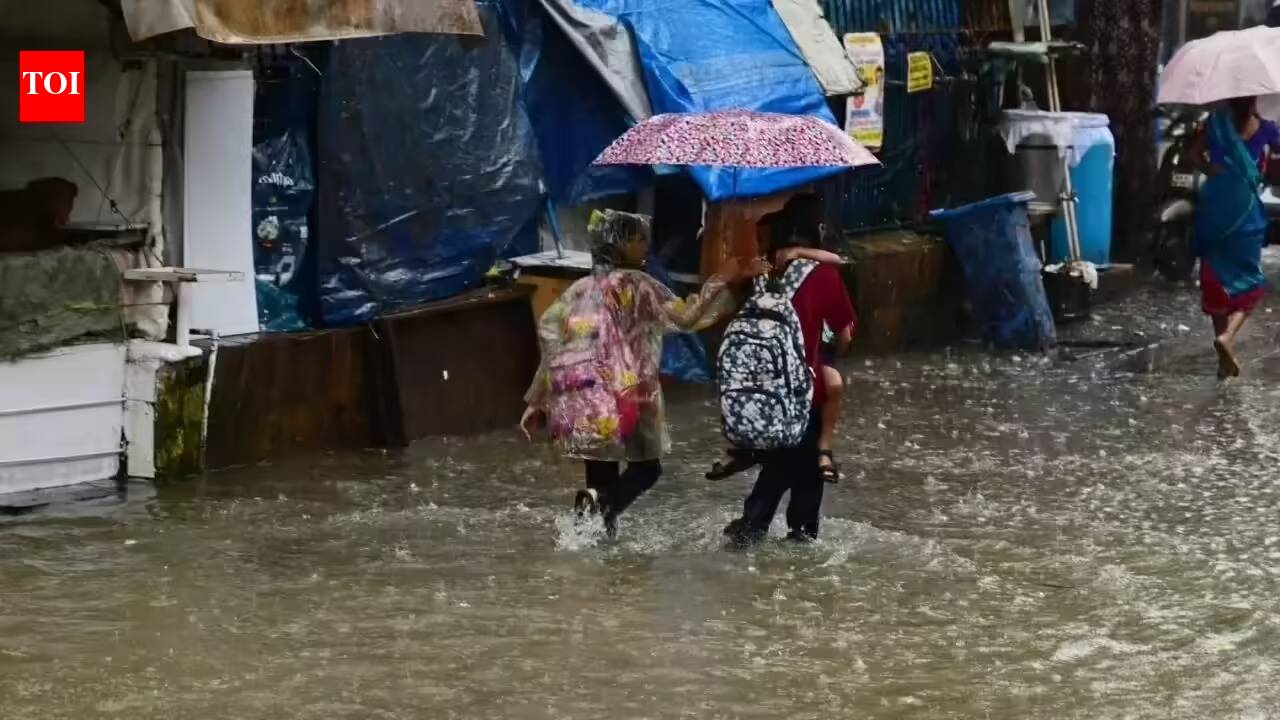
The India Meteorological Department has issued a red alert for the Mumbai Metropolitan Region for July 4, warning of heavy to very heavy rain and isolated extremely heavy rainfall after a day of disruptive monsoon downpours.
The India Meteorological Department has escalated its warning for the Mumbai Metropolitan Region to a red alert for Saturday, July 4, after a day of intense monsoon rain already caused waterlogging and transport disruption across the city and nearby districts.
The alert covers Mumbai, Thane, Raigad and Palghar. IMD is warning of heavy to very heavy rainfall at a few places and isolated extremely heavy rainfall.
The escalation follows orange alerts earlier on Friday, July 3, when rain continued to batter the region and commuters were already dealing with flooded stretches and slower local transport.
From orange to red
The timeline shows a clear escalation during the day. An earlier report in the morning said IMD had issued an orange alert for Mumbai, Thane, Palghar and Raigad as heavy rain continued and high-tide concerns added to the disruption.
A later update reported that IMD had moved the Mumbai Metropolitan Region to a red alert for the next day, signaling a much higher risk of serious weather impact.
That change matters because it is not just a routine monsoon warning. The red alert is the highest-level rain warning and is being issued after rainfall had already begun affecting daily life across the region.
What the warning signals
The immediate concern is localized flooding and waterlogging, especially in low-lying areas that have already been affected by the rain. The research packet also links the alert to broader monsoon disruption across the Konkan belt.
Reports cited rainfall totals of more than 150 mm in 24 hours in Mumbai, showing how intense the downpour had been before the red alert was issued.
For residents, the practical meaning is straightforward: heavier rain, greater disruption risk and a higher chance that normal travel and routine movement will be affected on July 4.
Disruption already under way
The warning did not arrive in a calm period. Mumbai and nearby districts were already seeing waterlogging, rain-hit roads and slower public transport when IMD escalated the alert.
That is why the red alert carries more weight than a forecast alone. It comes on top of real-world impacts that had already developed, making the risk of additional disruption more immediate.
The research also notes that the southwest monsoon has been driving the rain across the region, with conditions deteriorating enough to trigger repeated alerts in quick succession.
Who is affected
The alert applies to the Mumbai Metropolitan Region, including Mumbai, Thane, Raigad and Palghar. Those are the districts most directly in the frame for the heaviest rain and related disruption.
The key actors now are the India Meteorological Department, the Brihanmumbai Municipal Corporation and district authorities, along with residents and commuters who will be navigating the next round of rainfall.
Transport agencies were not detailed in the source material, but the existing pattern of delays and waterlogging means any new advisories or service changes will be closely watched.
What happens next
The main open question is whether IMD extends the red alert into July 5 or downgrades it after Saturday. The next forecast update will be the clearest sign of whether the highest-level warning remains in force.
Residents and commuters should also watch for advisories from the BMC and district administrations, especially any closures, diversions or emergency steps taken if rainfall intensifies.
Rainfall totals, flooding reports, tree falls and transport disruption will be the best indicators of how severe the system becomes across Mumbai, Thane, Raigad and Palghar.
For now, the official picture is a rapidly worsening monsoon situation: the region moved from orange alerts to a red alert within hours, and the risk of localized flooding and daily-life disruption remains elevated for July 4.
Revision note
Initial automated publication with full chronology and impact context.