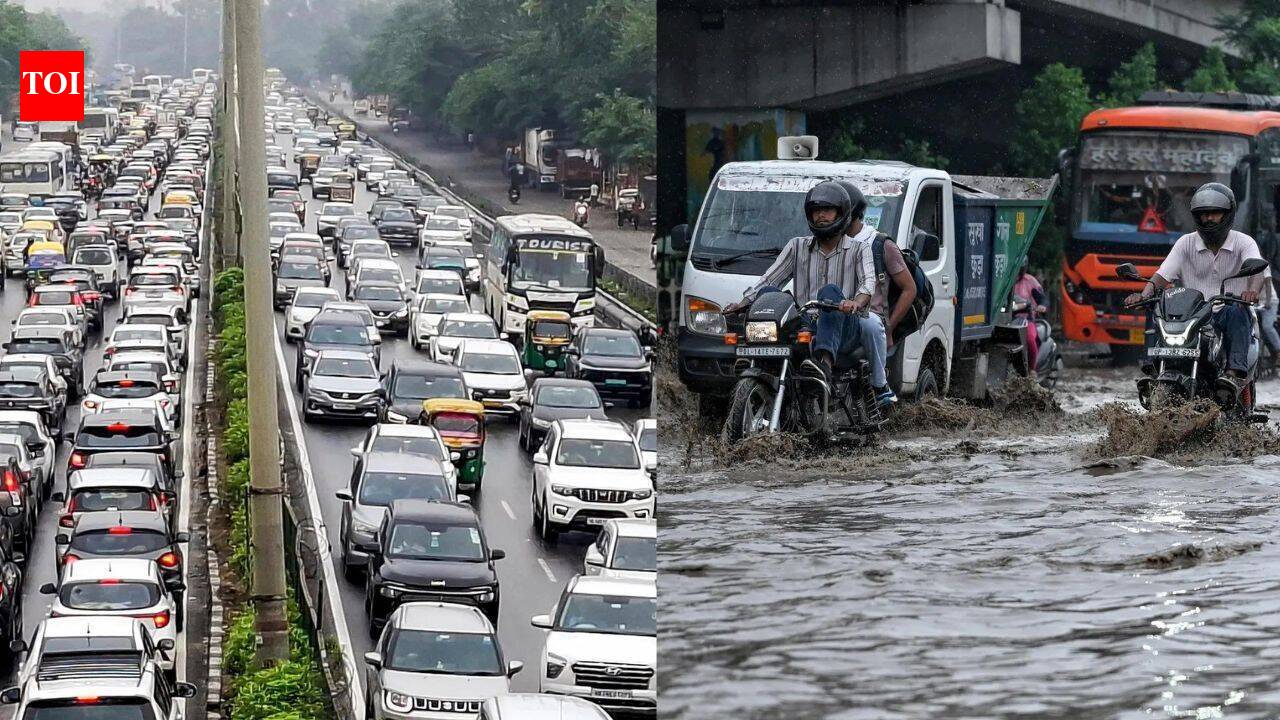
Heavy rain on July 9 disrupted Delhi-NCR with widespread waterlogging and traffic delays. Reporting says the IMD issued a red alert for Delhi, while neighboring NCR areas also faced severe disruptions; some outlets described orange alerts for parts of the region and reported continued rainfall through the day. Coverage also reports route diversions, school disruptions, and advisories for commuters and employers to limit travel or work from home.
Heavy rain disrupted Delhi-NCR on Wednesday night and Thursday morning, leaving several roads waterlogged, slowing traffic and prompting fresh weather and travel advisories across the capital region.
The India Meteorological Department issued a red alert for Delhi, according to reporting published Thursday morning, as intense rain continued to affect the city and surrounding districts. Other coverage described orange alerts for parts of the wider NCR while warning that some areas could still face severe rainfall through the day.
The immediate impact was felt most sharply by commuters. Roads across Delhi, Noida, Gurugram and Ghaziabad saw long delays as standing water reduced traffic speed and, in some places, blocked movement altogether. The reporting also pointed to disruption for schoolchildren and office workers, with authorities and employers weighing how much travel could safely continue.
Morning commute hit by flooding
The rain began affecting Delhi-NCR from Wednesday night and continued into Thursday morning, when commuters found major corridors slowed by standing water and traffic backups. Reports described severe waterlogging in multiple parts of the region, with travel delays spreading beyond Delhi itself.
Economic Times reporting said heavy rainfall was expected to continue and cited a possible 180 mm to 250 mm of rain over the next 24 hours. That estimate added to concerns that already difficult conditions could worsen if showers persisted through the day.
The broader message from the advisories was consistent: the situation remained unstable, and drivers should expect slower travel and possible route changes as conditions evolved.
Roads and route changes
Several specific trouble spots were identified in the reporting. Waterlogging was reported at New Delhi Railway Station, Sector 62 in Noida and Vijay Nagar in Ghaziabad. Navbharat Times also reported flooding on NH-24 near Ghazipur, one of the key approaches into Delhi from the Ghaziabad side.
That same report said Delhi Traffic Police changed the route for vehicles coming from Ghaziabad into Delhi after the waterlogging on NH-24. It also reported a bus stuck in severe flooding in Burari, showing how the rain affected both intercity access roads and inner-city routes.
These disruptions added to the wider traffic snarls already building across the NCR. For many residents, the immediate issue was not just rain, but the knock-on effect on daily movement, deliveries and the reliability of major road links.
Authority response
Local authorities moved to limit the impact where possible. Delhi Traffic Police altered traffic movement on the Ghaziabad-Delhi route after flooding on NH-24, while Gurugram Police urged organizations to consider work-from-home arrangements to reduce travel disruption.
The Delhi government said the situation remained under control, according to the reporting available Thursday. Even so, the scale of disruption showed how quickly a monsoon burst can overwhelm low-lying roads and turn routine travel into a prolonged delay.
The competing alert descriptions also reflected how quickly conditions were changing across the region. While one report said Delhi was under a red alert, another described orange alerts for the NCR overall and red alert conditions in some parts, indicating that warnings were being adjusted as the rain pattern evolved.
Why it matters
This kind of monsoon burst is a recurring risk for Delhi-NCR, where intense rain can quickly overwhelm drainage, flood major roads and create cascading delays. The stakes are immediate: commuter safety, access to schools and workplaces, and the reliability of routes used for daily movement across Delhi, Noida, Gurugram and Ghaziabad.
The situation was especially sensitive along major corridors such as NH-24, where flooding can affect a large volume of traffic moving between Uttar Pradesh and Delhi. With rain still falling through the morning and possible additional showers ahead, the risk of further disruption remained high.
For residents, that meant the practical advice was simple: expect slow travel, check local traffic updates and avoid unnecessary movement where possible.
What to watch next
The key question is whether IMD keeps Delhi under a red alert later in the day or downgrades the warning as conditions change. Rainfall totals may also be updated by official bulletins, which would help clarify how much rain fell in the hardest-hit areas.
Another point to watch is whether more district-level advisories follow, including school closures, additional route diversions or broader work-from-home guidance. For now, the day’s reporting points to a live weather disruption with an uncertain end time and continued risk of transport delays.
Authorities and commuters will be watching for the next official update closely, especially if heavy showers continue into the afternoon or evening.
Revision note
Initial automated publication with expanded verified chronology and advisories.