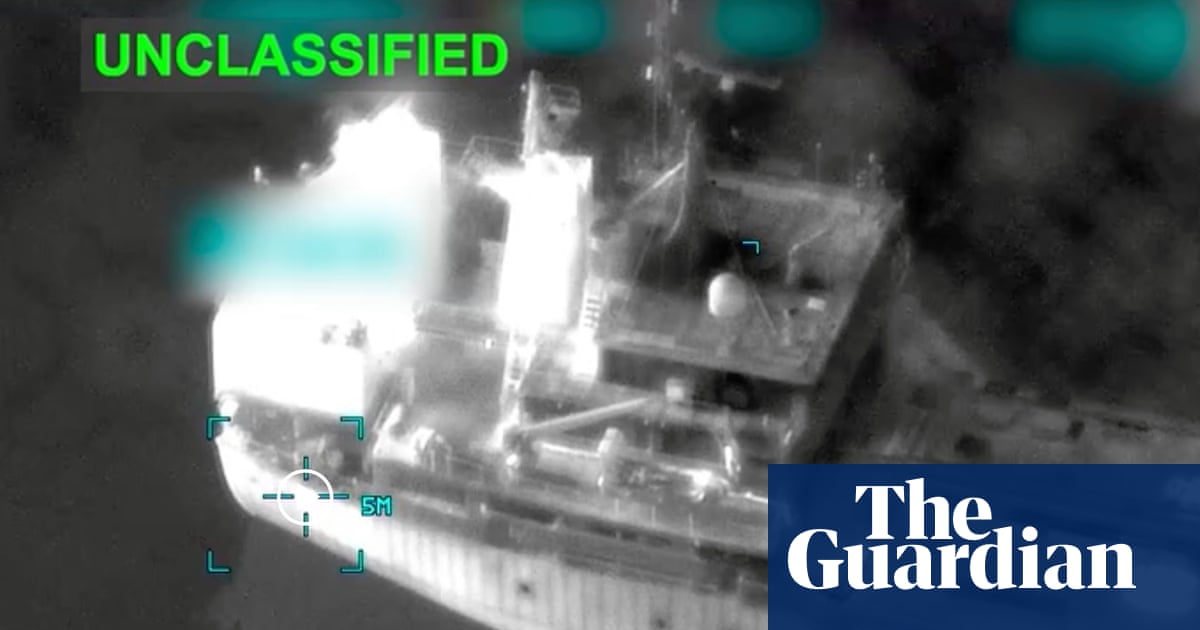
India lodged a formal protest after a U.S. strike on the Palau-flagged tanker MT Settebello killed three Indian seafarers in the Gulf of Oman area. Officials said 21 other Indian crew members were rescued and urged de-escalation and protection of commercial shipping.
India has lodged a formal protest with the United States after a strike on the Palau-flagged tanker MT Settebello killed three Indian seafarers in the Gulf of Oman area, turning a maritime attack into a diplomatic dispute between New Delhi and Washington.
The Indian government said 24 Indian seafarers were aboard the vessel. Twenty-one were rescued after the strike, while three were later found dead on board. Coverage identified the dead crew members as Patnala Suresh, Aditya Sharma and Shivanand Chaurashiya.
Officials in New Delhi described the deaths as deeply serious for India’s maritime workforce and said attacks on commercial shipping must stop. The foreign ministry said civilian infrastructure and commercial shipping should not be targeted and called for free navigation and commerce to be restored under international law.
Chronology of the incident
The earliest public reports on the ship attack emerged on June 10, 2026, when Indian officials said three crew members were missing after the strike. By June 11, later reporting confirmed that the missing men had been found dead and that India had issued a strong protest to U.S. officials.
The vessel was operating in the Gulf of Oman and Strait of Hormuz area, where maritime security has been strained by broader regional tensions. The incident is part of a wider pattern of attacks on shipping in the region this week, including at least one other Indian-crewed tanker.
India’s diplomatic protest
India’s Ministry of External Affairs lodged the protest with U.S. diplomatic officials in New Delhi after the attack. Officials said the matter was not just a consular issue but a broader warning about the vulnerability of Indian seafarers who work on commercial vessels in the Gulf.
Sarbananda Sonowal and other Indian officials framed the attack as an issue of safety at sea and urged de-escalation, dialogue and diplomacy. The government said repeated attacks on shipping were worrisome and should not become normalised.
U.S. account and wider stakes
U.S. Central Command said its forces struck the tanker after it repeatedly failed to comply with instructions and said the ship was violating a blockade on Iranian ports. That account places the incident inside the wider U.S. campaign around maritime pressure in the region.
The competing accounts leave the deaths of the Indian crew members at the center of an immediate diplomatic dispute. India’s public position is that commercial shipping and civilian infrastructure must not be targeted, while the U.S. position is that the vessel ignored directives.
For India, the case also highlights a practical concern: the safety of its large seafaring workforce, much of which serves on international shipping routes through the Gulf. The Strait of Hormuz and nearby waters are among the world’s most sensitive maritime corridors, and any escalation there can quickly affect civilian crews.
The immediate questions now are whether Washington will respond directly to India’s protest, whether maritime authorities will publish their own assessment of the strike, and whether Indian authorities issue further guidance for crews and shipowners operating in the region.
Revision note
Initial automated publication.