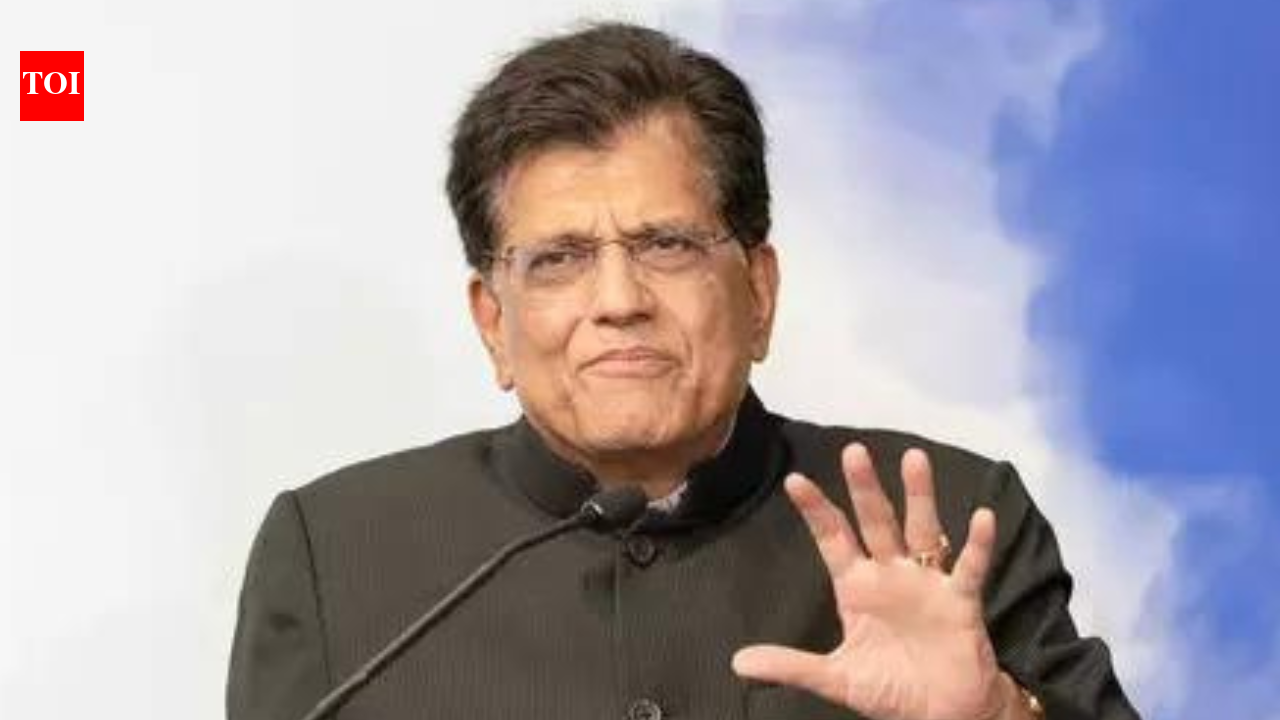
Piyush Goyal said the India-UK free trade agreement should be used as a structural growth opportunity, not merely a way to raise trade volumes, as the pact prepares to take effect on July 15.
Piyush Goyal said the India-UK free trade agreement should be treated as a chance to reshape business ties, not just lift trade volumes, as the pact moves toward its July 15 entry into force.
The commerce and industry minister made the remarks during a UK visit ahead of implementation, according to reporting that said he was in London from June 25 to June 27 and expected to meet UK business and trade secretary Peter Kyle.
The agreement is due to come into force on July 15 and coverage has described it as India’s most comprehensive trade pact so far. It includes the India-UK Comprehensive Economic and Trade Agreement, or CETA, and the Double Contribution Convention.
What Goyal is signaling
Goyal’s message suggests the government wants companies in both countries to look beyond tariff cuts and immediate trade gains.
The framing points to a wider push around investment, services, regulatory cooperation and deeper commercial partnerships, with officials presenting the pact as a model for future India trade deals.
Why the rollout matters
The next major milestone is the July 15 rollout. That date gives businesses a short window to prepare for the new framework and assess how to use it in areas such as tourism, small and medium-sized enterprises, services and trade in goods.
Coverage around the deal has already pointed to lower costs for products such as Scotch and gin, but the broader policy pitch from New Delhi is that the pact should generate longer-term structural gains.
What comes next
The immediate focus now is on implementation, including any official guidance from the Indian and UK governments before July 15.
Follow-up attention will also be on Goyal’s meetings in Britain and on how businesses on both sides respond once the deal takes effect.
Revision note
Initial automated publication.