Ingham’s Group has locked down its Western Australian poultry operations after H5N1 bird flu was confirmed in two wild birds near Esperance. Officials say there is still no evidence the virus has spread to poultry or broader wildlife populations, but surveillance and testing are ongoing.
Ingham’s Group has locked down its Western Australian poultry operations after H5N1 bird flu was confirmed in two wild birds near Esperance, as authorities try to determine whether the virus is confined to wildlife or has spread further.
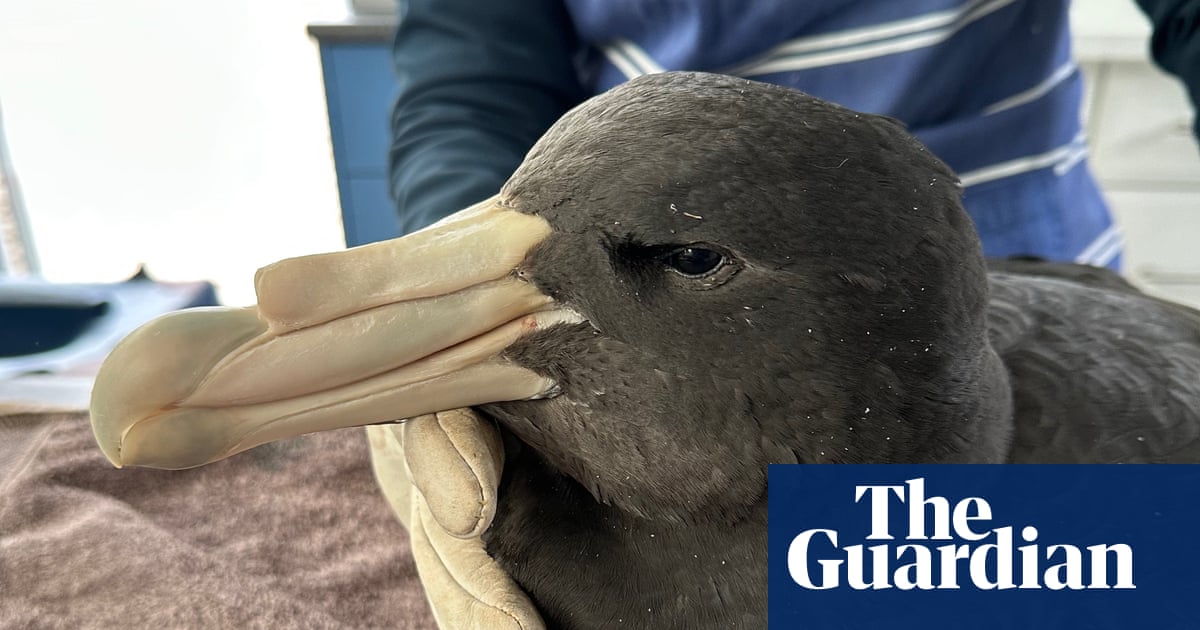
The response follows the detection of H5N1 in a brown skua on the Esperance coast, followed by confirmation of the virus in a giant petrel in the same area. Both birds died, and officials have described the findings as isolated and limited to wildlife for now.
Ingham’s said it had tightened biosecurity across its WA farms and processing centres, barred non-essential access and was seeking permission to house free-range poultry indoors while keeping its labelling arrangements in place.
Confirmed detections near Esperance
Western Australia’s mainland H5N1 detection was first confirmed in a brown skua near Esperance, in the state’s south-east. A second infected wild bird, a giant petrel, was then confirmed nearby.
The sequence has put the Esperance coast at the centre of Australia’s latest biosecurity concern. Officials say the current findings are confined to two birds in an isolated area, with no evidence yet of spread into other populations.
WA authorities said they have received more than 50 hotline calls about sick or dead birds and collected nine samples for testing based on risk assessment. WA chief veterinary officer Dr Michelle Rodan said the hotline recorded 42 calls on Sunday, up from 16 the previous day.
Australia’s chief veterinary officer, Dr Beth Cookson, said the disease had not been detected in wildlife, poultry or agricultural systems beyond the confirmed cases. Federal agriculture minister Julie Collins said the current findings were limited to the two birds and that there was no evidence of mass mortality in wildlife.
Ingham’s lockdown response
Ingham’s said its breeder farms and grower network are mostly north of Perth and hundreds of kilometres from the infected-bird site, but it still moved to protect its operations as a precaution.
The company’s WA lockdown covers its poultry farms and processing centres. It also stopped all non-essential access across those sites.
The request to house free-range birds indoors is aimed at reducing exposure while officials work through surveillance results. Ingham’s is also seeking approval to do that without disrupting its labelling arrangements.
The move underscores how quickly the poultry industry can respond when H5N1 is detected in wild birds. Even without a confirmed farm case, commercial producers face immediate pressure to harden biosecurity and reduce contact between birds and potential sources of infection.
Surveillance and public warnings
Testing and surveillance are continuing across Western Australia as authorities try to determine whether the virus is still limited to the two confirmed wild birds or circulating more broadly in local wildlife.
The public has been told not to touch sick or dead birds and to report sightings to the Emergency Animal Disease Hotline on 1800 675 888.
Officials say the hotline reports and sample collection are helping them map the scale of the problem. The key unanswered question is whether these detections represent an isolated wildlife event or the start of a wider spread in Australian ecosystems.
Why this matters
Australia had been the last continent free of H5N1 before these mainland detections. The virus has caused major bird and marine mammal die-offs globally since 2021, making any new foothold a significant wildlife and biosecurity concern.
The current stakes extend beyond the two dead birds near Esperance. Wildlife managers are watching for signs of spread in native species, while poultry producers are focused on keeping the virus out of commercial flocks and limiting disruption to supply.
The response is being coordinated across state and federal agencies, with biosecurity and wildlife surveillance the immediate priority. Officials are expected to keep updating the public as test results come in over the next several days.
Revision note
Initial automated publication.