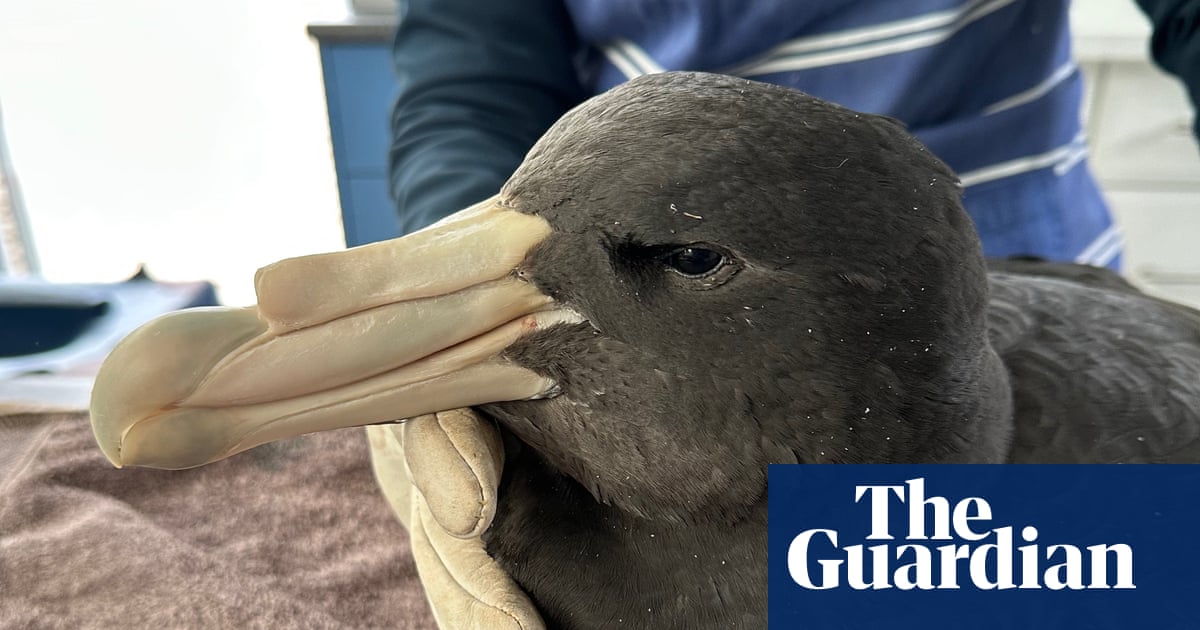
Inghams has placed its Western Australia poultry network into lockdown after H5N1 was confirmed in wild seabirds near Esperance. Authorities say there is no evidence the virus has spread to commercial poultry or agricultural systems.
Wild bird detections trigger a poultry lockdown
Inghams has tightened biosecurity across its Western Australia poultry operations after state authorities confirmed H5N1 in wild seabirds near Esperance, the first confirmed mainland cases of the virus in Australia.
The company said it had placed its WA farm and grower network into a complete lockdown and restricted all non-essential access to farms and processing sites. Reporting identified Inghams operations in Muchea, Gingin and Mogumber, north of Perth.
The move came after Western Australia confirmed H5N1 in a brown skua near Cape Le Grand and in a northern giant petrel from the same region. Officials said both birds had died.
Authorities have said there is no evidence so far that the virus has spread to commercial poultry or broader agricultural systems.
How the outbreak developed
Australia’s first mainland H5N1 case was confirmed on June 20 in a brown skua near Esperance. A second case, in a northern giant petrel, followed on June 22.
That chronology has driven a rapid response from both government and industry as surveillance widened around the Esperance coast and biosecurity alerts spread through the poultry sector.
News reports on Monday said Inghams had already moved to lock down its Western Australian facilities. Further reporting said the company was seeking approval from the WA chief veterinary officer, Michelle Rodan, to keep free-range chickens indoors.
The company’s response reflects the risk commercial poultry producers face when highly pathogenic avian influenza is detected in wildlife close to farming regions, particularly where free-range birds may have more exposure to the outside environment.
What Inghams changed
Inghams said it had imposed a complete lockdown across its WA farm and grower network, stopping non-essential access to farms and processing sites.
The company’s Western Australian sites include operations in Muchea, Gingin and Mogumber. Those locations are north of Perth and are separate from the wildlife detections near Esperance, but the confirmed mainland cases prompted a precautionary response across the state network.
The request to house free-range birds indoors is especially significant because it shows the company is trying to reduce any possible contact between commercial flocks and wild birds while authorities continue testing and monitoring.
For now, the confirmed virus detections remain in wild seabirds, not in farmed poultry.
Official response and public advice
Western Australian authorities said more than 50 calls had been made reporting sick or dead birds, and nine samples were taken for testing based on risk assessment.
Officials also urged the public not to handle sick or dead birds and to report sightings instead. That advice is part of the wider wildlife surveillance effort now under way in the Esperance region and beyond.
The detections have raised concern because Australia had previously been the only continent without H5N1 on the mainland. Even so, authorities have not reported any confirmed spread into commercial poultry systems.
Prime Minister Anthony Albanese had already described the first mainland detection as concerning, underscoring the broader national attention on the outbreak.
Why the case matters
H5N1 is a major wildlife and poultry biosecurity risk because it can spread through bird populations and cause large die-offs. For poultry producers, the key goal is to keep the virus out of sheds, transport routes and free-range systems.
That makes Inghams’ lockdown more than a routine precaution. The company is one of Australia’s largest poultry producers, so its response is being watched closely as an indicator of how the commercial sector is managing the risk.
The immediate stakes include possible disruption to free-range production, pressure on supply chains and consumer confidence in chicken and egg products if the situation widens.
Wildlife managers are also monitoring the broader environmental impact, including reports of sick or dead birds across Western Australia.
What happens next
The main question now is whether WA authorities approve indoor housing for free-range birds and whether surveillance turns up any additional wild bird cases.
Officials are also watching for any test results that would move the outbreak from wildlife into commercial poultry or other agricultural settings. So far, they say there is no evidence of that.
Further federal and state biosecurity updates are likely as testing continues and reporting on sick or dead birds expands across the state.
For now, the confirmed mainland detections remain centered on wild seabirds near Esperance, while Inghams has responded by tightening controls across its Western Australian poultry network.
Revision note
Initial automated publication.