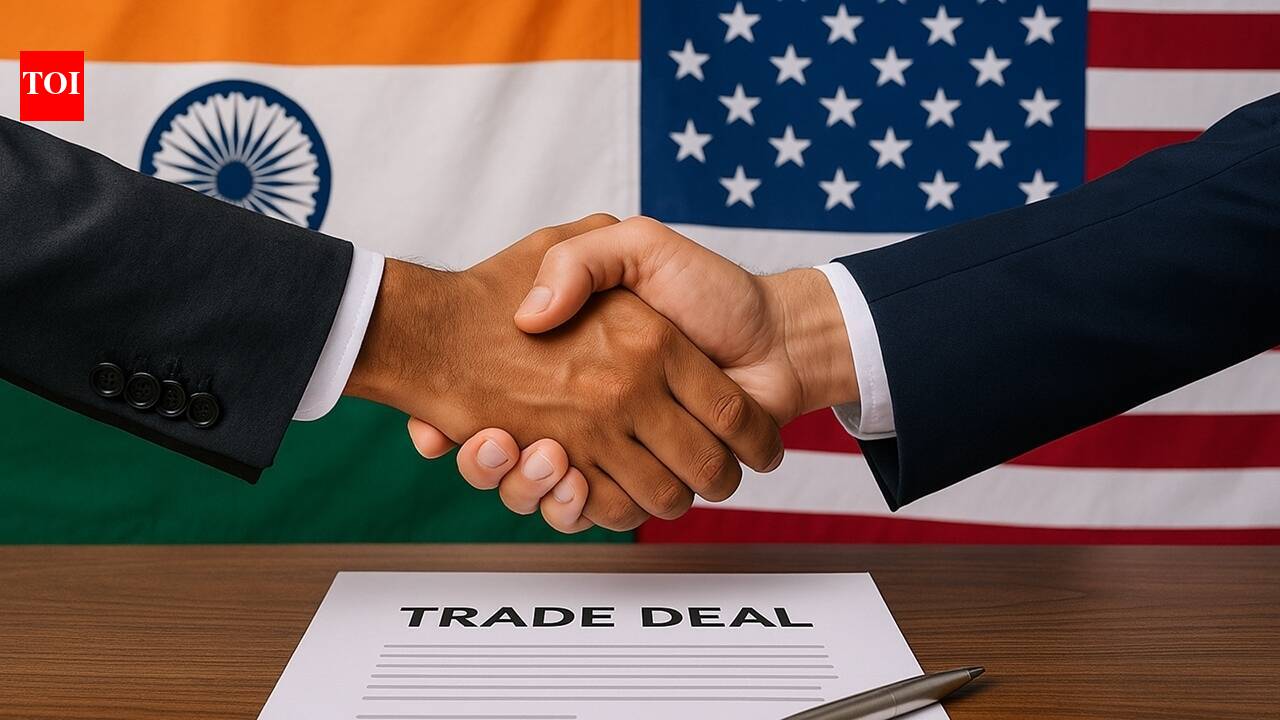
Jamieson Greer has moved to the center of Trump's trade policy, including direct India talks and an internal split over who controls key tariff channels.
Jamieson Greer has quietly moved from a lower-profile role into one of the most important positions in President Donald Trump’s trade agenda, according to a Wall Street Journal profile published June 28. The article portrays the U.S. trade representative as a more technocratic and steady hand on tariff policy, and one whose influence has grown as the administration has tried to manage major trade negotiations.
That rise has become especially visible in the U.S.-India file. Greer has taken part in talks aimed at an interim or first-phase bilateral trade agreement, and the reporting says he met with Indian officials earlier in the term before traveling to India in June for additional discussions.
The India channel
The India negotiations have centered on tariff terms, market access and broader economic cooperation. Indian coverage during the week of June 22 said Greer was expected in India for two days of trade talks, and later reporting said India and the U.S. concluded ministerial-level discussions on a first-phase bilateral trade agreement.
Greer has also described India as a key partner in artificial intelligence and future technologies, while saying both sides were working toward an interim trade agreement. That framing suggests the talks are not only about tariffs, but also about the broader economic relationship the two governments want to build.
Piyush Goyal, India’s commerce minister, has been explicit about the leverage New Delhi wants in any deal. He said India would not finalize an agreement without a comparative tariff advantage for Indian exports over other manufacturing economies. That position makes clear why the talks matter for exporters and market access on both sides.
Inside the administration
The Journal profile also described an early turf dispute between Greer and Commerce Secretary Howard Lutnick. According to the report, Lutnick initially pushed Greer to redo an India meeting on Commerce Department turf, a sign of how the administration has split trade authority across different channels.
White House spokesman Kush Desai said Commerce and the U.S. Trade Representative’s office oversee different tariff authorities and therefore play different roles. Even with that formal division, the reporting indicates the line between the two offices has not always been clean.
Some administration officials still credit Lutnick with major trade and investment deals, while the Journal’s account casts Greer as the steadier negotiator on the tariff file. The result is a split-channel structure in which both men matter, but not always in the same way.
What comes next
The biggest open question is whether the India talks produce a written interim understanding or only continue the negotiating process. So far, the reporting supports the conclusion that discussions have advanced, but not that a final deal has been completed.
Watch points now include any formal U.S. or Indian readout from the June talks, any announcement of interim tariff concessions, and any sign that Greer or Lutnick is taking the lead on particular trade files. The outcome will shape not just U.S.-India commerce, but also how Trump’s trade team divides power going forward.
Revision note
Initial automated publication with expanded trade and India negotiation context.