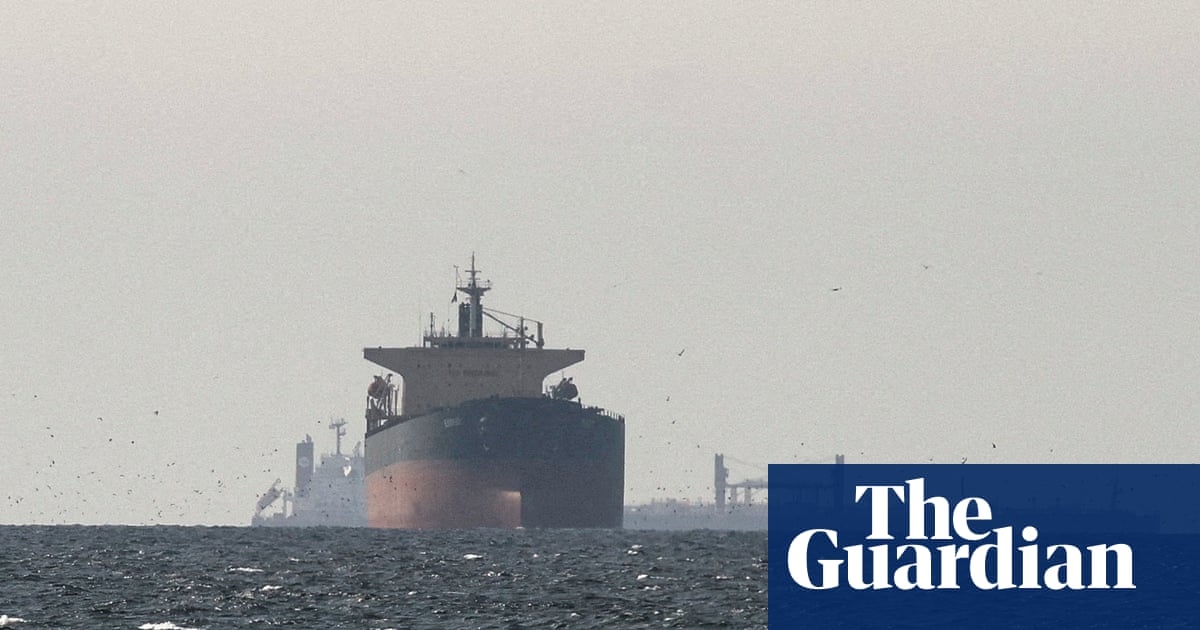
Marine war-risk premiums for ships transiting the Strait of Hormuz have fallen sharply after the US-Iran ceasefire, easing costs as traffic rebounds. Hull cover has been repriced downward, but cargo war insurance is unchanged and the route remains exposed to fresh attacks or closure threats.
Marine insurers have sharply cut war-risk premiums for ships transiting the Strait of Hormuz after the US-Iran ceasefire, easing a major cost burden for vessel owners just as traffic through the chokepoint begins to recover.
The repricing marks a quick shift in a market that had treated the route as one of the most dangerous in global shipping during the conflict. But the improvement is not the same as normality: the route remains exposed to renewed attacks, retaliation or any attempt to restrict passage.
Premiums fall after the ceasefire
Brokers told the Financial Times that hull war-risk cover for some Hormuz transits fell from about 5% of a vessel’s value to about 2% in the days after the truce. For individual ships, that can translate into savings of hundreds of thousands of dollars on a single passage.
The FT said the move followed the ceasefire deal between the US and Iran signed last week. It also reported that at least 172 ships had passed through the strait since June 18, according to Kpler, showing that commercial traffic was already returning.
The Strait of Hormuz links the Persian Gulf with the Gulf of Oman and is a critical route for oil and LNG shipments. When security fears rise there, insurance costs can jump quickly and disrupt trade far beyond the region.
Traffic is returning, but unevenly
Separate reporting from The Guardian on June 25 said vessel traffic through the strait doubled over the previous 24 hours to its highest level since late February. It also reported that some vessels were again transmitting satellite signals after previously sailing with them switched off.
That suggests shipowners are testing the route again after a period of heightened caution. Even so, the recovery looks fragile rather than settled, with confidence still tied to whether the ceasefire holds and whether any new incident changes the risk calculus.
The same reporting said Brent crude had fallen to $72.24 a barrel, more than 20% lower for the month, as tanker traffic and confidence improved. The softer oil market reflects the same easing of immediate tension that is now showing up in shipping insurance.
What is cheaper, and what is not
The FT said the cut in pricing applied to hull war-risk premiums, which cover damage to the vessel itself from conflict-related incidents. Cargo war-insurance rates for goods such as oil and grain were reported to have stayed steady.
That distinction matters for shipowners and energy traders. Lower hull cover reduces the direct cost of a Hormuz transit, but it does not remove broader war-related exposure across the supply chain.
Shipowners, marine insurers, tanker operators and energy markets all stand to benefit if the lower rates hold. The biggest immediate effect is on transit costs, which had become a major line item during the conflict.
What could change next
The market is still watching for any sign that the repricing is premature. A fresh attack, a threat to close the strait, or a move to impose charges on commercial vessels could reverse the trend quickly.
On June 25, US Secretary of State Marco Rubio warned Iran against trying to impose tolls on commercial vessels in the Strait of Hormuz. He said the US would not support or tolerate monetary charges for access.
For now, insurers are signaling that the immediate risk has eased enough to justify lower prices. But the route remains highly sensitive, and the next change in premiums will depend on whether the ceasefire stays intact and whether traffic continues to normalize without interruption.
,Revision note
Initial automated publication.