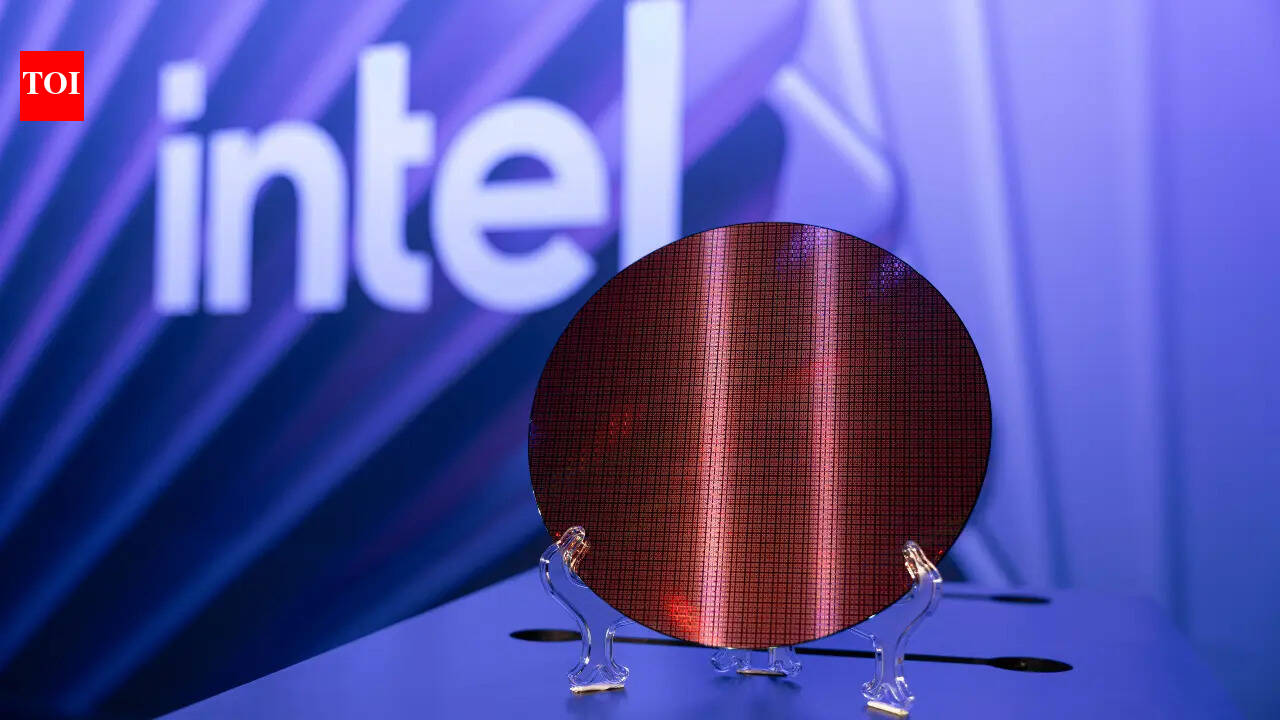
Intel says its 18A-P process node has entered risk production, an early manufacturing step that could help the company win external foundry business and strengthen its turnaround push.
Intel said its 18A-P process node has entered risk production, marking an early manufacturing milestone for the upgraded chipmaking platform as the company tries to attract more external foundry customers.
The move suggests Intel is moving 18A-P out of development and into initial production runs. Coverage of the announcement says the node is mature enough for early manufacturing, though risk production is still a preliminary stage and does not guarantee broad customer adoption.
What Intel said
Intel describes 18A-P as an upgraded version of its 18A family. Reporting around the announcement says the node is designed to deliver better performance, lower power use and improved thermals compared with 18A.
The company also says 18A-P remains compatible with 18A designs, which could let customers port existing work without starting from scratch. That compatibility is important for foundry prospects evaluating how quickly they can move to a newer process.
Why it matters
The milestone matters because Intel is trying to rebuild its foundry business after heavy losses. Market coverage says Intel sees 18A-P as part of that turnaround effort and as a way to win external manufacturing demand.
Intel has already moved 18A into data center products earlier in 2026. 18A-P now appears to be the next step in that roadmap, positioned as a bridge between 18A and Intel’s next node, 14A.
What comes next
The most important unanswered questions are whether Intel names first products for 18A-P, gives a timetable for general production, or confirms external customers for the node.
For now, the announcement shows progress, not a final commercial win. Intel still needs to convert technical progress into customer commitments if it wants 18A-P to become a meaningful foundry business driver.
Revision note
Initial automated publication.