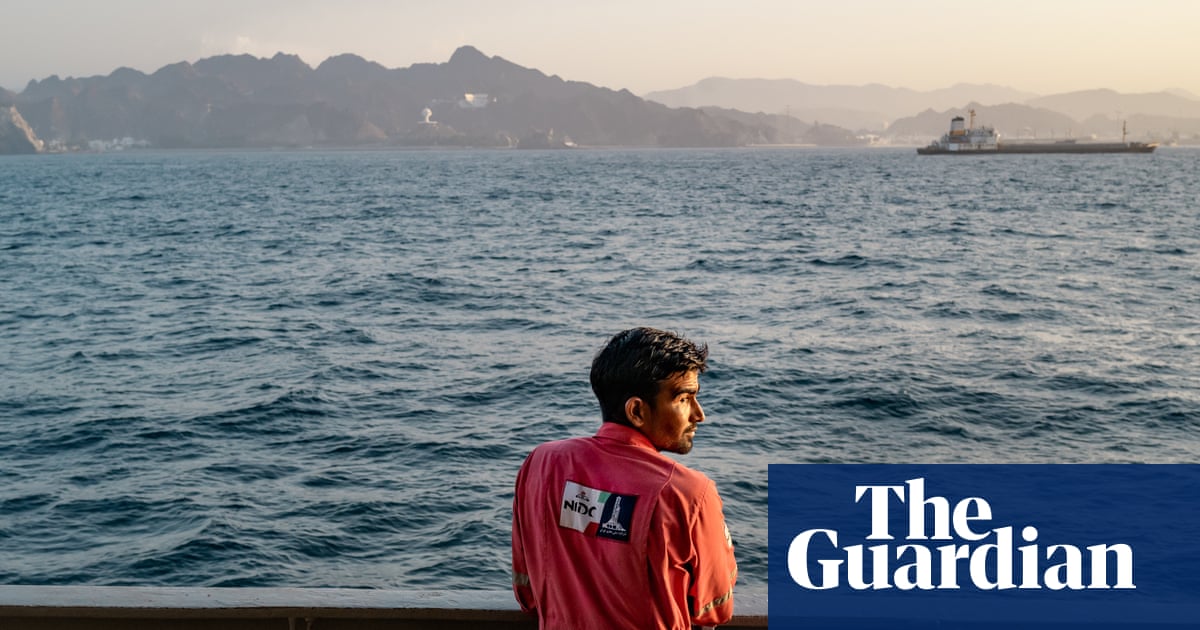
Iran’s Revolutionary Guard attacked a Singapore-flagged cargo ship in the Strait of Hormuz on June 25, damaging its bridge and prompting the International Maritime Organization to pause an evacuation operation for stranded vessels. The incident comes days after a U.S.-Iran maritime agreement and amid Iranian objections to temporary transit lanes.
Iran’s Islamic Revolutionary Guard Corps attacked a Singapore-flagged cargo ship in the Strait of Hormuz on June 25, damaging the vessel’s bridge and escalating tensions over a fragile effort to restore safe passage through the waterway.
The Wall Street Journal identified the ship as the Ever Lovely. UK Maritime Trade Operations said there were no casualties.
The vessel was traveling near the coast of Oman on a route coordinated by the International Maritime Organization, according to the confirmed reporting. The attack came after the IRGC warned ships not to use routes through the waterway that were not sanctioned by Iran.
Fragile maritime arrangement
The strike landed just days after a U.S.-Iran memorandum aimed at restoring freedom of navigation in the Strait of Hormuz for a 60-day period. That deal was intended to reduce the risk to commercial traffic in one of the world’s most important shipping chokepoints.
The IMO had been coordinating an evacuation operation for stranded ships and seafarers in the region. Earlier reporting put the number of affected people at more than 11,000 sailors, with hundreds of ships unable to move normally through the strait.
After the attack, the IMO paused the evacuation operation to reassess safety conditions. IMO Secretary-General Arsenio Dominguez said the agency had verified conditions for safe navigation before starting the operation.
Iran’s objections
Iran also rejected the UN-backed temporary evacuation lanes announced by the IMO. Iranian officials described the proposal as unacceptable and dangerous and said coordination with the IRGC navy was mandatory for transit.
That response matters because the new strike appears to test whether the recent maritime understanding can survive under pressure. The arrangement was already fragile, and the attack immediately raised the risk that the pause in shipping could deepen rather than ease.
U.S. Secretary of State Marco Rubio said the Strait of Hormuz is an international waterway and that no country is allowed to charge tolls or fees on it. His comments underscored how quickly a shipping incident can become a broader diplomatic dispute.
What is at stake
The Strait of Hormuz is a critical global shipping chokepoint, and renewed violence there can ripple well beyond the Gulf. Any sustained disruption can affect energy flows, commercial trade and the safety of crews still trapped in the area.
The immediate consequence of the attack is the uncertainty facing stranded ships and seafarers. With the IMO evacuation operation paused, crews now have no clear timetable for when safe movement will resume.
The incident also raises a basic question for the U.S. and its partners: whether the recent memorandum can hold if attacks continue. If the strike is treated as a breach, it could complicate the diplomatic effort that was supposed to reopen the strait.
What happens next
Several questions remain unresolved. It is not yet clear how long the IMO pause will last, whether Iran will formally confirm or expand on the attack, and whether Washington will say the incident violates the maritime agreement.
Officials are also watching whether additional ships in the evacuation convoy are delayed, diverted or turned back while the security assessment continues. For now, the attack has turned a negotiated reopening of the strait into a fresh test of whether the passage can remain open at all.
Revision note
Initial automated publication with expanded chronology and verified context.