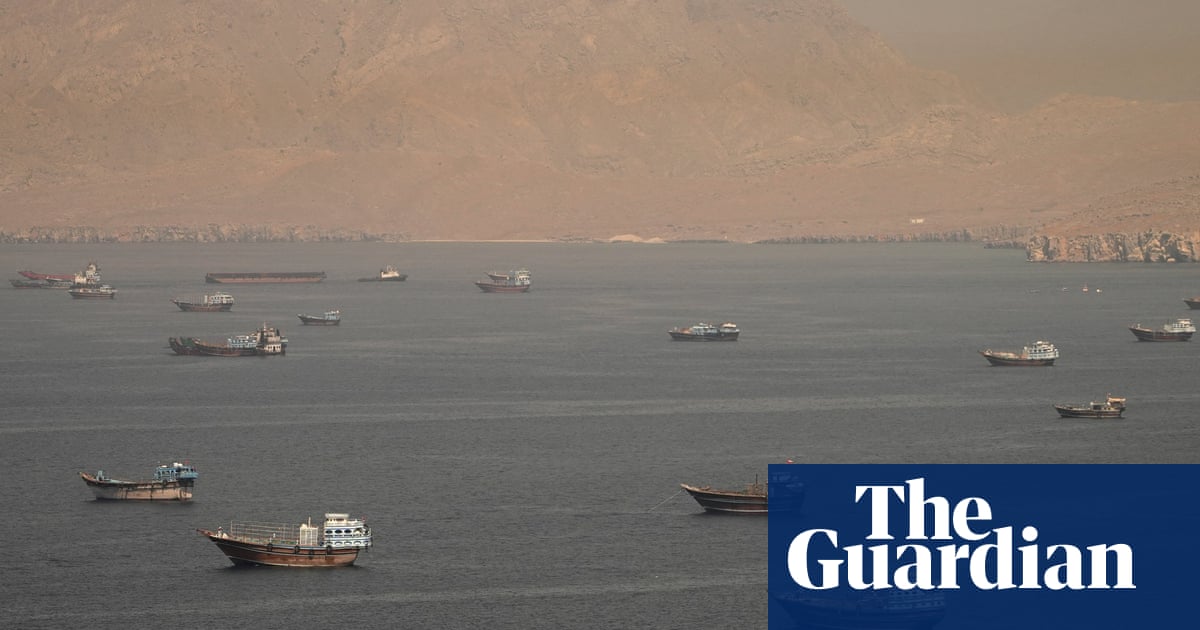
Ship-tracking data suggests Iranian-flagged vessels that had sheltered near Malaysia are moving back toward Gulf routes after a US-Iran ceasefire extension, a shift that adds to signs that shipping through the Strait of Hormuz is normalizing.
Iranian-flagged vessels that had been sheltering near Malaysia are now heading back toward the Gulf, according to ship-tracking data cited by the Financial Times, in the clearest sign yet that Iran’s maritime trade is shifting after the latest US-Iran ceasefire extension.
The FT reported on Friday that six of seven Iranian-flagged ships near Malaysia had recently departed, with most heading for Gulf ports. The paper said the movements followed the new US-Iran understanding and suggested that Iranian cargo vessels which had taken refuge in Southeast Asian waters during the blockade period were beginning to move again.
A return voyage
The reported departures matter because they point to more than a one-off repositioning. Iranian shipping has been constrained for months by the US blockade and by the wider security crisis around the Strait of Hormuz, and any sustained movement back toward the Gulf would suggest a practical easing of disruption.
The vessels cited by the FT were Iranian-flagged cargo ships, but the report also said analysts think more ships from Iran’s shadow fleet may be mobilizing. That fleet has long been associated with sanctions evasion, including transponder blackouts and false identities, which makes ship-tracking one of the few ways to follow the traffic at all.
The report relied on AIS and other vessel-tracking data rather than public statements from the ships’ operators. That leaves an important uncertainty: whether the ships are returning to ordinary commercial work, repositioning after a ceasefire, or resuming sanctioned trade patterns that are harder to observe directly.
How the crisis shifted
The movement toward the Gulf comes after a chain of reporting on the maritime thaw around Iran. On June 18, the Guardian reported that the US-lifted blockade on the Strait of Hormuz was allowing oil tankers to resume navigation under a new US-Iran understanding.
The Guardian also reported that the memorandum of understanding set out a 60-day negotiation window for a final deal. That matters because it suggests the maritime opening is tied to a broader diplomatic process rather than a permanent settlement.
On June 19, the Economic Times reported that CENTCOM said all US military efforts to enforce the blockade on traffic to and from Iranian ports had ceased. The same day, the New York Post reported that at least 12 tankers passed through Hormuz within hours of the deal, including three Saudi-flagged supertankers.
Taken together, the reports point to an immediate rebound in traffic through one of the world’s most important shipping chokepoints. Even a modest increase in movements through the strait can affect oil and LNG flows, insurance costs and how operators judge the risk of the route.
What the shipping data shows
The FT’s account focused on a specific change in where Iranian vessels were headed. Ships that had been parked near Malaysia, far from Iranian waters, were instead departing for Gulf ports after the ceasefire extension.
That change is significant because Iranian shipping has often been tracked by where it disappears from public view, not by official port announcements. When vessels move with tracking systems off or under false identities, the direction of travel itself can be one of the few clues available.
But the available reporting still leaves open how many additional Iranian ships are moving, and whether all of them are commercially active cargo ships or part of the shadow-fleet network. The FT said analysts believe more ships may also be mobilizing, but it did not provide a full inventory.
Why it matters
A sustained return of Iranian-flagged vessels to Gulf routes would signal a practical easing of wartime disruption and sanctions pressure. It would also test whether the new arrangement is producing a real normalization of trade, or only a temporary repositioning of ships while negotiators keep talking.
For global markets, the key question is whether tanker traffic through Hormuz continues to rise and whether insurers and operators start treating the corridor as more predictable. For Iran, the stakes are equally direct: access to shipping lanes, export revenue and the ability to move goods without the same level of disruption.
For now, the clearest verified development is directional. Ships that had been sheltered near Malaysia are heading back toward the Gulf, and the wider flow of traffic through Hormuz appears to be reopening alongside them.
What remains unclear is how durable the shift will be. The next test is whether more Iranian vessels leave Southeast Asia, whether they continue toward Gulf ports, and whether US or Iranian authorities issue formal maritime guidance as the ceasefire extension is put into practice.
,Revision note
Initial automated publication.