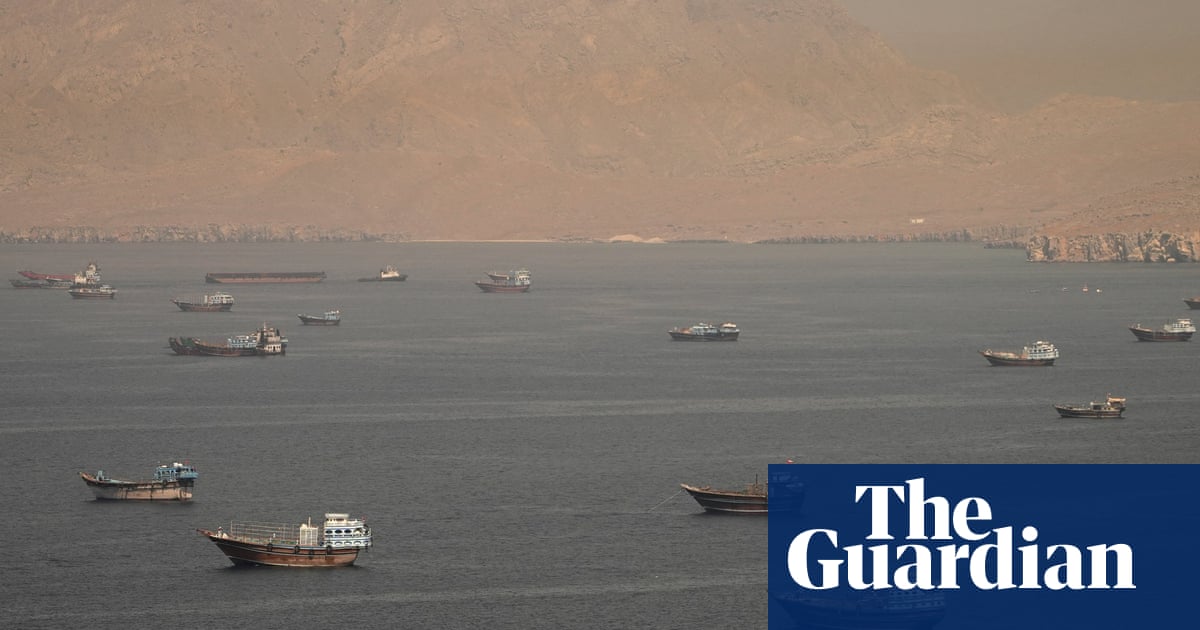
Iran is reported to be moving toward a formal fee-and-insurance regime for ships crossing the Strait of Hormuz, raising legal and commercial stakes for global shipping.
Iran is moving toward a more formal fee-and-insurance regime for vessels passing through the Strait of Hormuz, according to reports published on June 19, 2026. The reported change would add a new commercial and legal hurdle in one of the world’s most important oil and gas shipping corridors.
The Financial Times reported that vessels transiting the strait must hold insurance approved by Iran’s new maritime authority, with fees potentially following after a 60-day grace period. The Guardian separately reported that Iran plans to begin charging maritime fees for ships using the passage in about two months.
A new transit regime
The reported policy is tied to the Persian Gulf Strait Authority, which the Wall Street Journal said Iran launched in early May to regulate traffic through the waterway. In live coverage on May 5, the Journal said ships were being told to follow a new process involving guidance from an official email address and prior authorization for passage.
That chronology matters. The latest reporting suggests Iran is not simply making a one-off threat at sea, but trying to build a formal mechanism for governing transit through the strait.
The current step appears to move the issue from operational disruption to an explicit administrative regime. If implemented, shipowners and insurers would have to deal with an Iranian approval process rather than only the risk of ad hoc interference.
Why the Strait of Hormuz matters
The Strait of Hormuz is one of the world’s most strategically important shipping chokepoints. Large volumes of global oil and LNG pass through it, so any new fee structure or insurance requirement can have consequences well beyond Iran’s own waters.
Even a limited toll or approval system could affect the cost and availability of insurance for tankers and cargo ships. It could also feed into broader shipping rates if operators start pricing in the added risk.
The policy also raises legal questions. Prior authorization requirements and Iran-approved insurance rules could deepen disputes over transit rights in an international waterway, especially if other governments or maritime lawyers challenge the basis for the regime.
What is still unclear
The reporting does not show that Iran has published a formal fee schedule yet. It is also not clear exactly what counts as “insurance approved” by the new authority.
Another open question is how much of the process is already being followed in practice. The public reporting does not say how many vessels, if any, have complied with the new mechanism.
There is also no confirmation yet in the reporting of how the international shipping industry will respond at scale. Insurers, shipowners and operators will be watching to see whether the rules are enforced consistently or remain mostly a political signal.
What to watch next
The next key development would be a formal Iranian decree, a published fee schedule or a clearer implementation notice from the new authority.
Shipping companies and insurers will also be looking for reaction from the International Maritime Organization, major flag states and U.S. or European officials. Any response could focus on legality, sanctions exposure and operational risk.
For now, the reports point to a significant shift: Iran appears to be moving from pressure over Hormuz transit toward a structured system that could let it charge for access, control approvals and shape the commercial terms of passage.
Revision note
Initial automated publication.