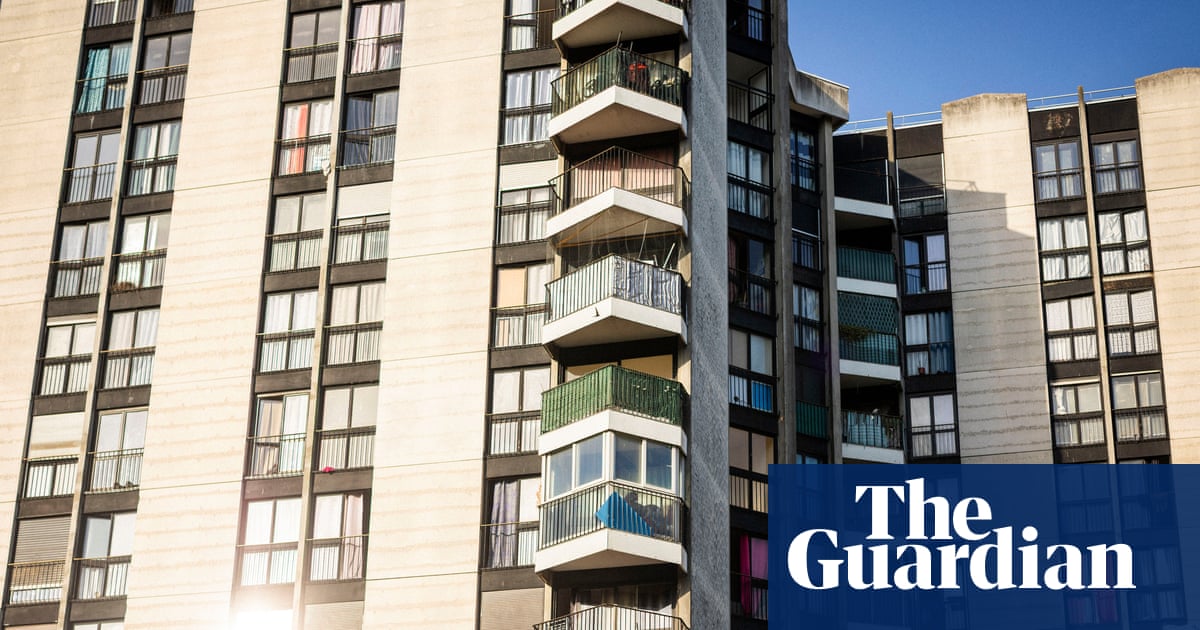
France's record June heatwave is turning badly insulated homes into dangerous heat traps, putting low-income renters, schoolchildren and public services under strain.
A late-June heatwave in France is turning homes into ovens for some of the people least able to escape it, exposing how housing quality is becoming a climate-inequality issue as extreme heat intensifies.
In the Paris area, a single mother profiled by The Guardian described her apartment as like a furnace as temperatures surged. Her experience is part of a wider pattern: renters, low-income households and people in poorly insulated flats often have the fewest options when indoor temperatures climb to dangerous levels.
A record heatwave
The heatwave sharpened after France recorded its hottest day ever on June 24, 2026, according to Le Monde. The paper said the national temperature indicator reached 30C, with temperatures hitting 43.6C in Cazaux and 40.3C in Paris during the peak of the episode.
On June 25, Le Monde reported that 72 mainland departments were under red alert and 14 under orange alert. The scale of the warnings showed that the heat remained a national emergency even as forecasts pointed to some relief later in the week.
The event is not only notable for the temperatures themselves. It is also drawing attention to how unevenly heat is experienced once it moves indoors, where some residents can cool off and others are left trapped in overheated rooms.
Homes that trap heat
France's housing stock is a major part of the problem. Le Monde reported on June 19 that about 50% of buildings in France, roughly 10 million, are not adapted to heatwaves, citing CSTB-linked reporting.
The vulnerable buildings include homes in urban heat islands, as well as schools, nursing homes and social housing. Those are not marginal cases. They are the places where people spend long hours, sleep overnight and depend on buildings to provide basic protection against extreme weather.
AP reported that attic apartments under Paris's zinc roofs are especially heat-trapping. The article noted that heritage-preservation rules can make it difficult to add insulation, shutters or other cooling measures in some buildings, leaving residents with little practical relief when temperatures rise.
For renters, the problem is especially difficult. They usually cannot carry out major retrofits themselves, and many do not have the money to pay for major upgrades, temporary lodging or sustained cooling during a heatwave.
Unequal exposure
The heatwave is exposing an inequality that runs through housing, income and age. Households with higher incomes can often buy air conditioning, run fans more freely or leave the city for cooler places. Poorer households are more likely to remain in apartments that trap heat and less likely to have the resources to change them.
That makes indoor heat a public issue, not just a comfort issue. Heat can worsen sleep, strain health and make everyday life harder for children, older adults and people already under economic pressure.
The Guardian said a child's school closed because of the extreme temperatures, underscoring how quickly indoor overheating can spill beyond private homes and disrupt daily routines.
Public services under pressure
The strain has also reached public institutions. Le Monde reported that hospitals were feeling the effects, with emergency visits and calls rising sharply for dehydration, hyperthermia and related conditions.
That matters because many people cannot simply wait out the heat indoors. If their homes do not cool down at night, they face prolonged exposure, which can turn a weather event into a health emergency.
Schools, hospitals and local authorities are then pushed to respond at the same time that the heatwave is raising demand for their services. The result is a broader test of whether public infrastructure is ready for more frequent extreme heat.
The retrofit question
The reporting points to a costly adaptation challenge. If roughly half of French buildings are not built or fitted to handle heatwaves, the answer is not just more forecasts or more alerts. It is a long-term effort to improve insulation, ventilation, shading and other features that reduce indoor heat.
That effort is complicated by ownership, cost and preservation rules. Social housing, old apartment blocks and heritage buildings all present different barriers, but they share the same basic problem: many residents are living in structures that were never designed for this kind of heat.
The current heatwave is making that mismatch harder to ignore. It is showing that climate adaptation in France is not only about emergency response. It is also about whether the country can make its homes safe enough to live in as summers get hotter.
Officials now face a dual test: manage the immediate emergency and decide how much support to direct toward vulnerable households before the next severe heat event arrives.
Revision note
Initial automated publication with expanded verified context.