France’s labor minister Jean-Pierre Farandou rejected a fixed 30°C threshold for stopping work during the country’s late-June heatwave, saying heat protections should vary by sector and alert level. His remarks came as schools, hospitals and some construction sites faced growing disruption and unions renewed pressure for clearer rules.
Jean-Pierre Farandou, France’s labor minister, said the country cannot stop work every time temperatures reach 30°C, rejecting calls for a fixed heat cutoff for suspending activity during extreme weather.
Farandou told Le Monde on June 26 that worker health must be protected, but that economic activity also has to continue. He also rejected the idea of a separate climate leave tied to heat.
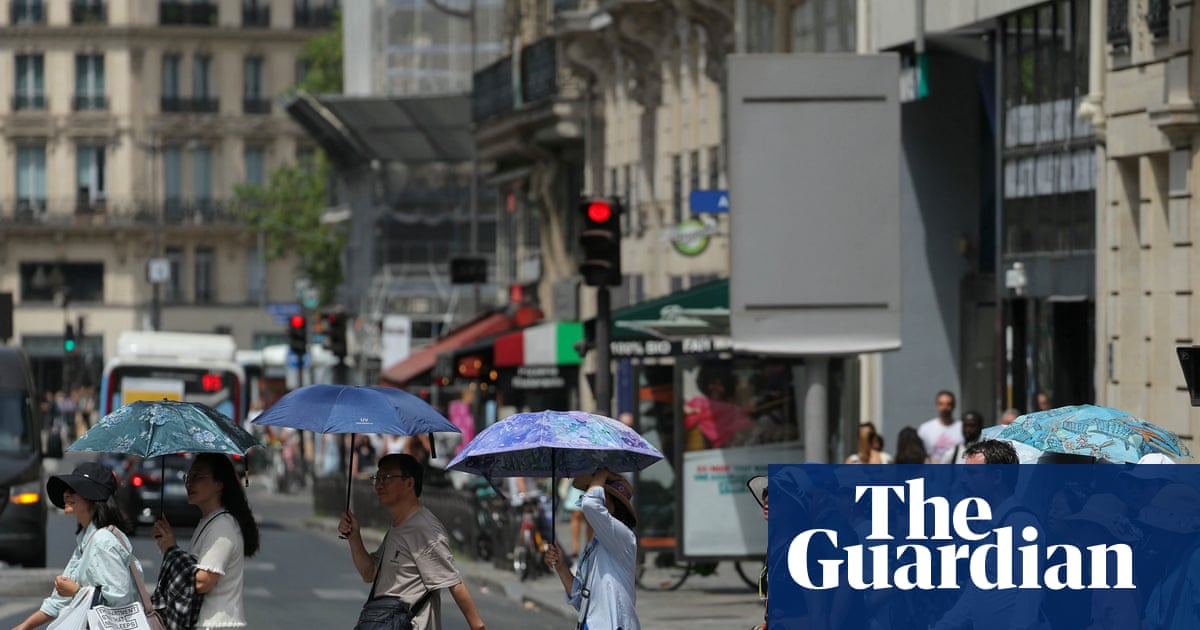
The minister’s comments came as France was in the middle of a severe late-June heatwave that had been building for about 10 days by June 26-27. The hot spell has already disrupted schools, strained hospitals and prompted some local authorities to curb outdoor work.
What Farandou is arguing
Farandou said a single national threshold would be too rigid. Instead, he pointed to the current legal framework, which relies on escalating protections based on weather alert levels rather than one maximum temperature.
He said the labor ministry had reinforced labor inspections starting May 22 to check whether companies were applying preventive measures. He also said employers remain legally responsible for workers’ health and safety in both public and private workplaces.
Farandou said he had asked prefects to suspend construction sites from 1 pm to 10 pm where local conditions warranted it. That reflects the government’s present approach: targeted restrictions rather than an automatic nationwide stop-work rule.
Why the issue is urgent
The policy dispute is unfolding against visible disruption across France. Separate reporting says more than 13,500 schools and educational institutions altered operations during the heatwave, including closures and shortened hours.
Hospitals have also been under strain, with France’s health system facing a surge in heat-related emergencies after several days of extreme temperatures. Le Monde described hospitals as being at a tipping point after seven straight days of heat.
Workers have described difficult conditions on the ground as well. Earlier reporting on the heatwave showed crews across sectors trying to keep working in intense heat with limited adaptations, feeding criticism that current rules do not clearly define when work becomes unsafe.
The policy divide
Farandou’s remarks underline a central tension in French labor policy: how to protect workers during extreme heat without forcing broad shutdowns of economic activity.
Unions and critics want clearer rules, including a defined temperature threshold for stopping work. They argue the current framework is too vague and leaves too much room for uneven enforcement.
The ministry’s response is that heat exposure depends too much on sector, task and local alert level to justify one fixed national cutoff. That approach keeps the focus on prevention, adaptation and site-by-site decisions.
What happens next
For now, the 2025 heat decree remains the main legal framework. Any broader change would likely have to come through further social dialogue, with possible sector-specific rules discussed later in the year.
What to watch next: union reaction to Farandou’s rejection of a fixed cutoff, further prefectural orders affecting outdoor work, and any formal move by the labor ministry to tighten or clarify guidance after the summer.
Revision note
Initial automated publication.