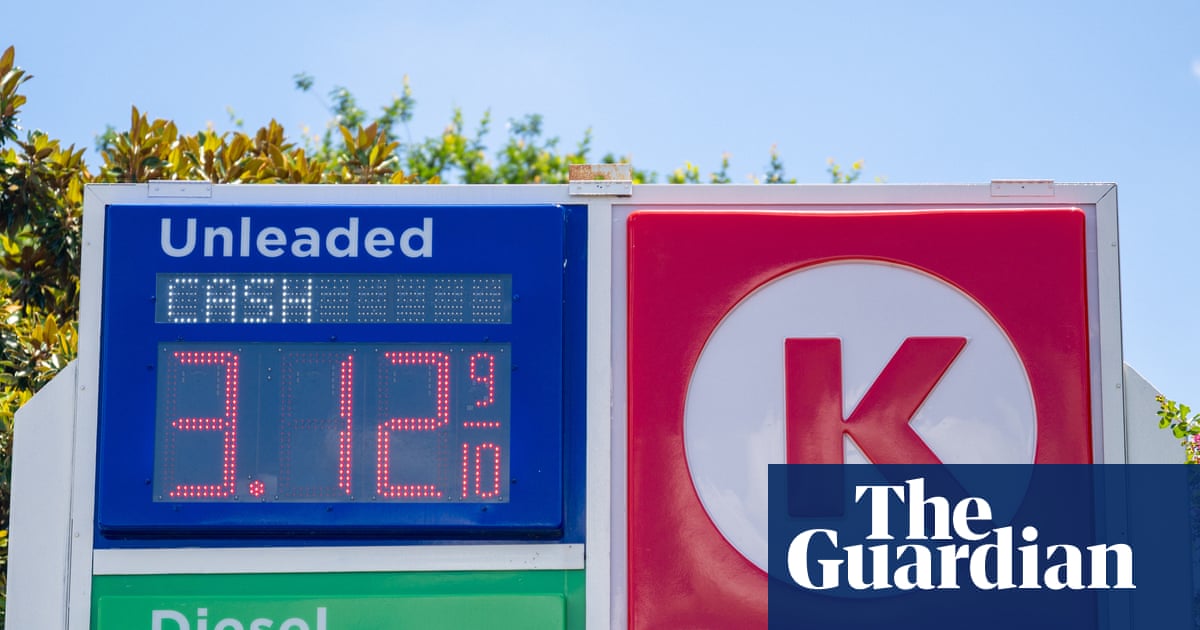
Jet fuel benchmarks fell sharply on June 18 as traders priced in renewed Middle East exports after a U.S.-Iran ceasefire and reopened maritime traffic through the Strait of Hormuz. Northwest European prices hit $957 a tonne, while Singapore and U.S. Gulf Coast benchmarks also eased.
Jet fuel prices fell sharply on June 18 as traders moved to price in the possibility of renewed exports from the Gulf after a U.S.-Iran ceasefire and the reopening of maritime traffic through the Strait of Hormuz.
Northwest European jet fuel was reported at $957 a tonne, according to Argus Media data cited by the Financial Times, nearly 50% below the early-April peak. Singapore prices fell to their lowest level since the start of the war, while U.S. Gulf Coast benchmarks also dropped to their weakest level since early March.
What changed
The move came after weeks of disruption that had more than doubled jet fuel prices and fueled warnings about flight cuts and tighter supply. On June 18, the market shifted quickly as reports pointed to a ceasefire arrangement between the U.S. and Iran and the reopening of traffic through the Strait of Hormuz, a critical route for oil and refined products from the Gulf.
AP reported that the U.S. lifted its blockade on Iranian ports and that maritime traffic through Hormuz resumed, opening the way for broader negotiations. The Guardian separately reported that Iran plans to impose maritime fees for ships using the strait in two months, underscoring that the route may not yet be back to normal.
Airlines and supply risk
The selloff offers near-term relief for airlines, which have faced sharp fuel-cost swings through the conflict. The Financial Times said British Airways and Air France told investors or customers they had sufficient summer fuel supplies.
Even so, the market is not treating the disruption as fully over. Inventories remain low, especially in Europe, and any setback in the ceasefire or shipping arrangement could reverse the price move quickly.
What traders are watching
The immediate questions are whether tanker flows through Hormuz return to pre-crisis levels, whether Iran follows through on its proposed maritime fees, and whether jet fuel benchmarks can hold their losses.
For now, the market is repricing risk on the assumption that Gulf exports will resume more normally. But the latest drop reflects expectations, not a complete return to stable shipping conditions.
Revision note
Updated with new market confirmation and ceasefire context.