Jingye has started formal consultations under the UK-China investment treaty to seek compensation from the UK government over British Steel, adding a legal and financial front to the Scunthorpe takeover dispute.
Jingye has started formal consultations with the UK government under the UK-China bilateral investment treaty, seeking compensation over British Steel and opening a new legal front in the long-running dispute over the Scunthorpe steelworks.
The move, reported on Thursday, adds a financial and diplomatic dimension to a case that has already reshaped the future of one of Britain’s most important steel plants. If the dispute is not resolved during the consultation period, it could move to international arbitration.
Jingye bought British Steel in a government-brokered deal in 2020. Since the UK government took control of the Scunthorpe operations on national security grounds in April 2025, Jingye has remained the economic owner while ministers have controlled day-to-day operations.
What Jingye is seeking
In a statement on WeChat, Jingye said it had initiated consultation procedures under the treaty and said it hoped the UK government would safeguard the legitimate rights and interests of Jingye, other Chinese businesses and global investors.
The company has not publicly set out the size of its claim. Earlier reporting suggested Jingye was trying to recover about £711 million in debts owed by British Steel, while industry estimates cited in the latest coverage say the compensation claim could exceed £1 billion.
That range matters because it suggests the dispute could become a substantial bill for the UK even before any arbitration process begins. It also raises the stakes for how ministers choose to settle, or not settle, the wider British Steel issue.
How the dispute reached this point
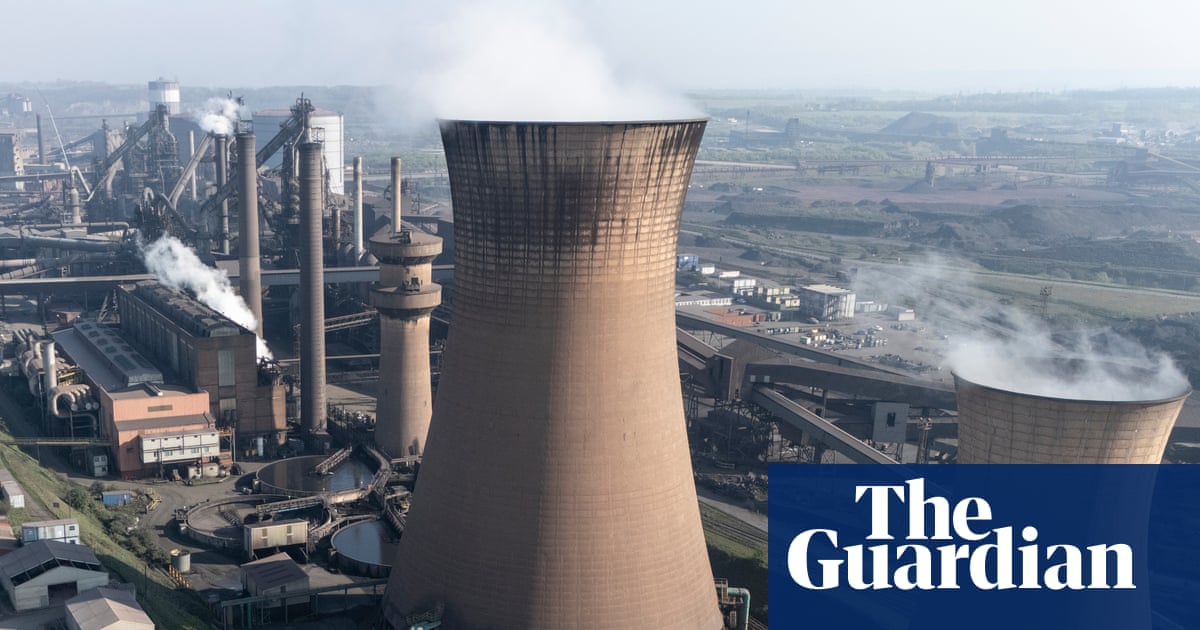
The current fight traces back to the government intervention at Scunthorpe, which includes the UK’s last remaining blast furnaces and is central to domestic primary steelmaking.
Officials moved in after Jingye had planned to close the site. The government said its intervention was needed to protect jobs and preserve steelmaking capacity, and later reporting indicated ministers were preparing to fully nationalise British Steel.
That has left the business in an unusual position. Jingye still owns British Steel economically, but the state has controlled operations for more than a year.
The dispute has reportedly been under discussion for more than a year already, which is why the treaty consultation step is significant. It marks the point at which a long-running ownership and rescue argument becomes a formal cross-border investment dispute.
Why the treaty matters
The UK-China investment treaty gives both sides a formal consultation process before any possible arbitration. According to reporting cited in the coverage, that consultation window could last six months.
If the talks fail, Jingye could pursue international arbitration. That would put the UK’s treaty obligations under scrutiny and could complicate the financial calculations around British Steel’s future ownership and funding.
For the government, the case is not only about compensation. It also touches on national security policy, industrial strategy and the precedent set for other foreign investors in sensitive sectors.
Wider stakes for British Steel
British Steel matters well beyond the ownership dispute. The Scunthorpe plant remains central to UK primary steel production, and its future investment needs are still unresolved.
The government has already signalled that it may fully nationalise the company, but the long-term structure for the business is still undecided. That leaves open questions about who pays for the asset, who funds the next phase of investment and what happens to the site’s production model.
The workers at Scunthorpe are also still exposed to the consequences of the dispute. The government has said its intervention was aimed at protecting jobs, but the plant’s long-term stability depends on a settlement that can support continued operations.
Diplomatic implications
The claim also adds a new layer to UK-China relations. Jingye is asking the UK to safeguard the rights of Chinese businesses and global investors, which means the dispute now reaches beyond a single steel company.
A compensation battle with a major Chinese investor could make the government’s balancing act harder: ministers are trying to protect national security and industrial capacity while still signalling that the UK remains open to investment.
The next key milestone is the UK government’s response to Jingye’s consultation request. If there is no resolution, the dispute could move to arbitration and remain live for months.
For now, the immediate question is whether the compensation talks produce a settlement, a formal claim or a larger confrontation over one of the UK’s most politically sensitive industrial assets.
Revision note
Expanded from a compressed summary into a fuller article with chronology, compensation stakes, treaty process, and UK-China implications.