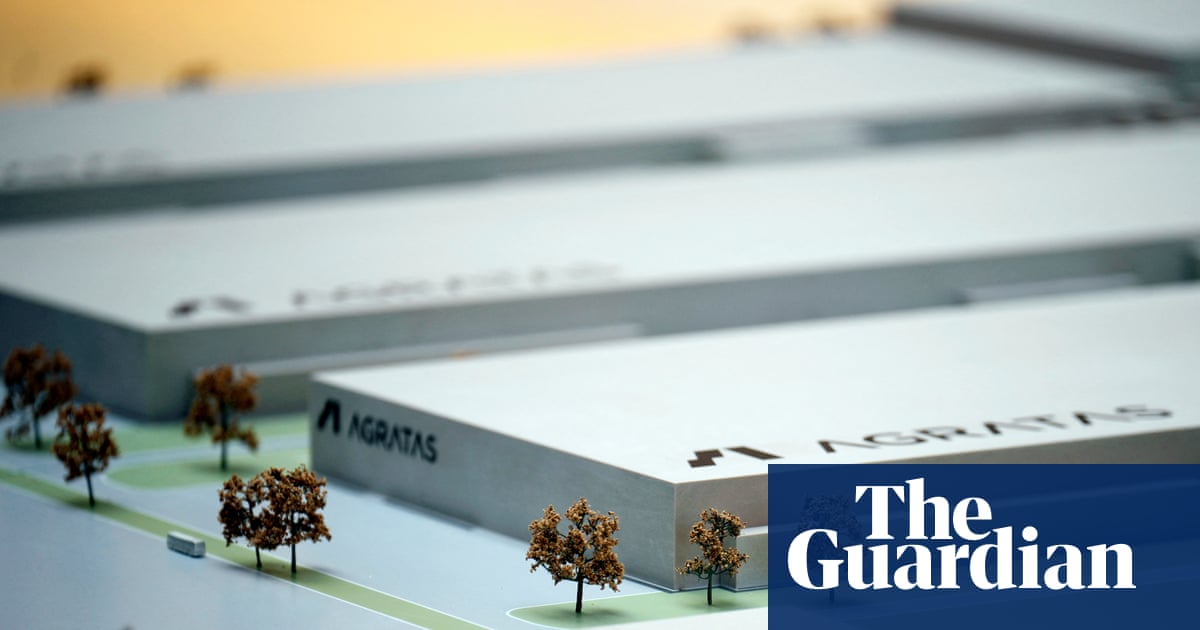
Jaguar Land Rover faces possible battery supply delays after turmoil at Tata-backed Agratas’s Somerset gigafactory, which has changed contractors and fallen behind schedule.
Jaguar Land Rover faces a fresh risk to its electric vehicle plans after reporting that Tata-backed Agratas’s Somerset battery factory is slipping further behind schedule and could delay battery deliveries to the carmaker.
The Bridgwater plant is intended to supply batteries for JLR’s new electric models, making it a key piece of the company’s EV transition. But reporting on Saturday said the project has become more troubled, with Agratas replacing its main construction contractor and the latest internal timetable now also likely to be missed.
Project turmoil
Agratas said it had determined that a different construction delivery model was needed and had decided to transition to a new construction partner. Sir Robert McAlpine said the two sides had mutually agreed to part ways and were working on a smooth handover.
The reporting says TSL, or Tonroe Group Ltd, has been appointed as the new construction partner. It also said Agratas told SRM its services would not be needed beyond the end of the month.
The project was originally targeted for a 2026 start, then pushed to 2027. The latest reported internal target was January 2028, but that date is now also said to be in doubt.
Several parts of the build are described as behind schedule, including procurement for a substation and work on an access ring road.
Why JLR matters
JLR has been planning to rely on the Somerset plant for batteries for its next wave of electric models. Any further delay at the site could affect battery deliveries and complicate the carmaker’s production planning.
That is especially sensitive because JLR has already delayed the launch of its electric Range Rover. A longer slip at Somerset would raise the risk that the wider EV rollout timetable is pushed back again.
The issue also has regulatory weight. The plant is presented as a strategic part of the UK car industry’s shift to electric vehicles, and delays could add pressure on JLR as manufacturers work toward UK zero-emission vehicle sales rules.
Funding and oversight
The UK government announced a £380 million grant for the Agratas project in April, underscoring the plant’s importance to domestic battery supply and the wider industrial strategy.
The Somerset site is one of the country’s major battery factory projects and has been framed as a central part of efforts to build a local supply chain for electric cars. Setbacks there therefore matter beyond JLR, including for the resilience of UK battery manufacturing.
The Guardian reported that JLR declined to comment on the situation. Agratas has said only that it needed a different delivery model, while SRM said it had agreed a clean handover.
What happens next
The immediate questions are whether Agratas can recover the timetable under its new contractor arrangement, how far the project will slip beyond the reported January 2028 target, and whether JLR needs interim battery sourcing.
Watchpoints now include any response from JLR on battery supply or contingency plans, further statements from Agratas on schedule and capacity, and any reaction from the UK government given the size of the subsidy and the project’s strategic role.
For now, the latest reporting suggests the Somerset gigafactory is not just late, but late enough to create a genuine supply-chain risk for JLR’s EV programme.
Revision note
Initial automated publication.