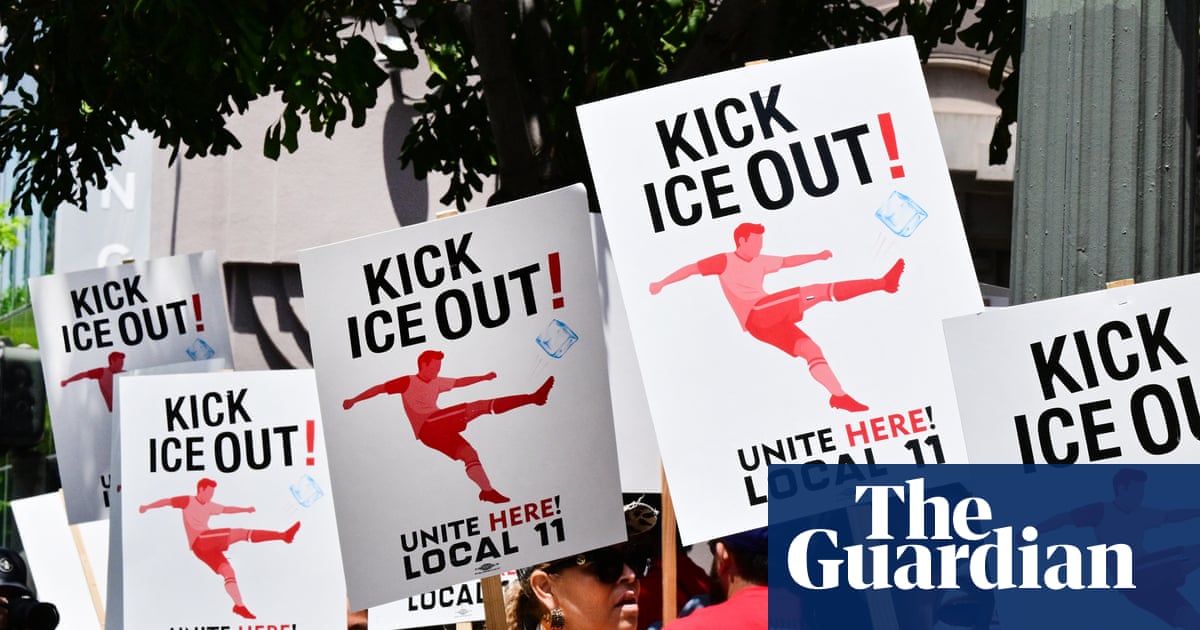
A federal judge dismissed the Trump administration’s challenge to Los Angeles’s sanctuary city ordinance, but allowed the government to file an amended complaint. City officials said the policy helps victims and witnesses come forward and does not block lawful federal enforcement.
A federal judge has dismissed the Trump administration’s lawsuit challenging Los Angeles’s sanctuary city ordinance, but the ruling does not end the case.
U.S. District Judge Fernando Olguin dismissed the challenge while allowing the government to file an amended complaint. The order gives the administration another chance to try to keep the case alive, but it marks an immediate setback for the federal effort.
What the city says the ordinance does
Los Angeles City Attorney Hydee Feldstein Soto said the ordinance is meant to encourage crime victims and witnesses to come forward to the Los Angeles Police Department regardless of immigration status. She said the city’s policy does not obstruct or impede lawful federal immigration enforcement operations.
That framing is central to the city’s defense of its sanctuary rules. Los Angeles has argued that the ordinance is a public-safety measure and a way to ensure residents can report crimes without fear that immigration status will be used against them.
How the case got here
The Trump administration filed the lawsuit in 2025, targeting Los Angeles’s sanctuary policies and the city’s limits on cooperation with federal immigration authorities. The earlier complaint named the city, Mayor Karen Bass and the Los Angeles City Council.
The federal challenge followed a broader pattern of legal fights over sanctuary policies in other jurisdictions. In those cases, the administration has argued that local restrictions on cooperation interfere with federal immigration enforcement.
Broader legal backdrop
The Los Angeles case is not the only sanctuary-policy dispute that has reached federal court. A judge in Illinois dismissed a Trump administration lawsuit against Illinois, Cook County and Chicago over similar policies in July 2025.
That backdrop matters because it shows the administration has already faced judicial resistance to comparable claims elsewhere. It also suggests the Los Angeles case may turn on whether the government can cure whatever defects led to the dismissal.
What happens next
The immediate question is whether the Trump administration files an amended complaint, and if so, how it rewrites the case. Another city response or a further order from Judge Olguin could follow after that.
If the government ultimately loses on a final ruling, it could seek to appeal later. For now, the court’s decision leaves Los Angeles’s ordinance in place and keeps the dispute open rather than resolved.
Revision note
Initial automated publication.