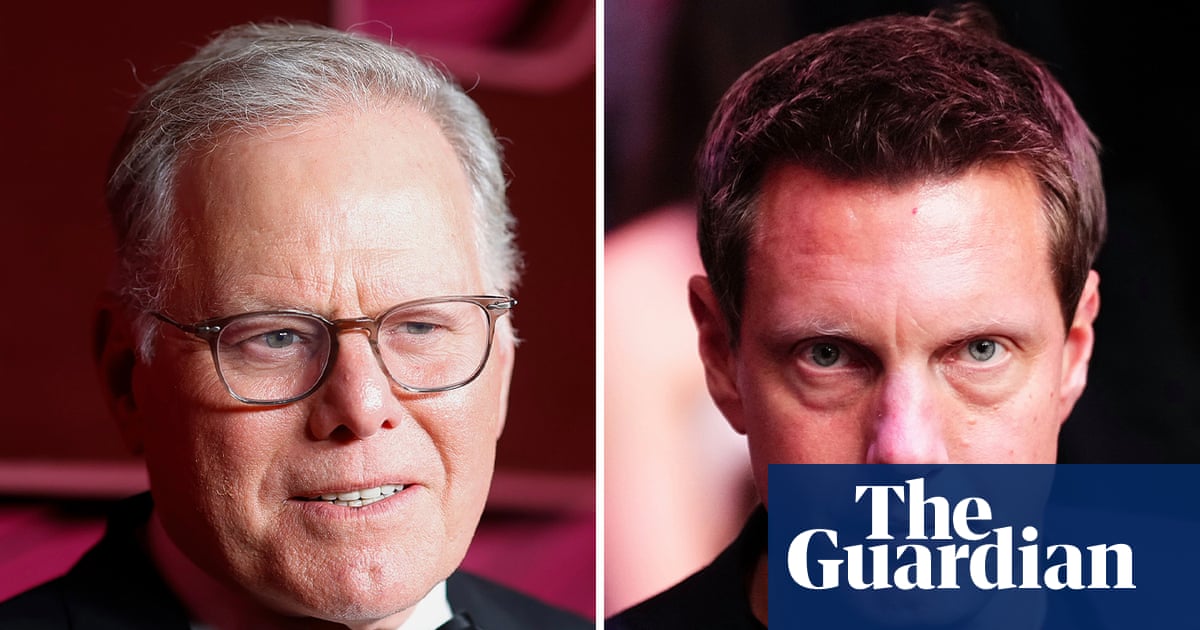
The Justice Department has cleared Paramount Skydance's planned acquisition of Warner Bros. Discovery after reporting said career antitrust staff had leaned toward recommending a lawsuit. The approval was granted without federal conditions, divestitures or behavioral remedies, but state and foreign reviews remain possible obstacles.
DOJ clears the merger
The Justice Department has cleared Paramount Skydance's planned acquisition of Warner Bros. Discovery, removing the biggest U.S. antitrust hurdle facing one of Hollywood's largest proposed combinations.
The decision matters not just because it gives the companies federal clearance, but because it came after internal skepticism inside the antitrust division. The Wall Street Journal reported that career antitrust staff had been leaning toward recommending a lawsuit before DOJ leadership overrode that posture and approved the deal.
Axios previously reported that the merger was approved without conditions, divestitures or behavioral remedies. Other reporting said the department concluded the combination was unlikely to harm competition in streaming, television or theatrical film.
How the review unfolded
The federal approval was first reported in broader form on June 12, 2026, but the newer development is the internal-process detail that emerged on June 15: career staff were said to have favored a suit, while senior officials ultimately cleared the transaction.
That distinction makes the story more than a simple regulatory sign-off. It suggests the final decision came after a meaningful internal debate inside the Justice Department, even though the end result was a clean approval.
What the deal would combine
Paramount Skydance and Warner Bros. Discovery are two of the biggest names in media, and the transaction would unite major film, television and streaming assets under one company.
Recent coverage has valued the deal at about $110 billion to $111 billion. That scale explains why the merger has drawn close scrutiny from regulators, competitors and media buyers alike.
The companies involved include Paramount and Warner Bros. Discovery properties that reach across theatrical film, TV and streaming. The deal also sits in the middle of a broader media landscape where control of content libraries and distribution platforms matters to consumers and rivals.
What the approval does and does not do
The DOJ clearance removes the main federal antitrust threat, but it does not close the book on the transaction.
State attorneys general could still challenge the merger. California Attorney General Rob Bonta and the New York attorney general are among the officials being watched most closely, although it is not yet clear whether either office will file suit.
The deal also remains exposed to foreign regulatory review. Reporting has flagged Europe and the U.K. as jurisdictions that could still affect timing or closing.
Remaining risks
For now, the transaction appears to have cleared the most significant U.S. obstacle. But a federal green light does not guarantee a smooth path to completion if state lawyers move in or overseas regulators raise objections.
Those remaining reviews matter because they can delay deals even when the lead U.S. agency steps aside. They can also create leverage for new conditions, longer timetables or, in some cases, litigation.
The fact that the Justice Department approved the deal without divestitures or behavioral remedies also means the companies did not have to agree to the kinds of structural or conduct concessions that often reshape large mergers.
What to watch next
The next key step is whether Paramount Skydance and Warner Bros. Discovery issue detailed public statements explaining the clearance and outlining the path ahead.
Investors and competitors will also be watching for any response from state attorneys general, especially in California and New York. A lawsuit would instantly change the timeline and could become the most consequential remaining challenge.
Foreign regulatory decisions are another important marker. Even if no state suit materializes, overseas approvals still have to line up before the merger can be considered fully secure.
For now, the Justice Department's move leaves the companies with their biggest federal obstacle removed, but not all of the regulatory risk gone.
Revision note
Initial automated publication.