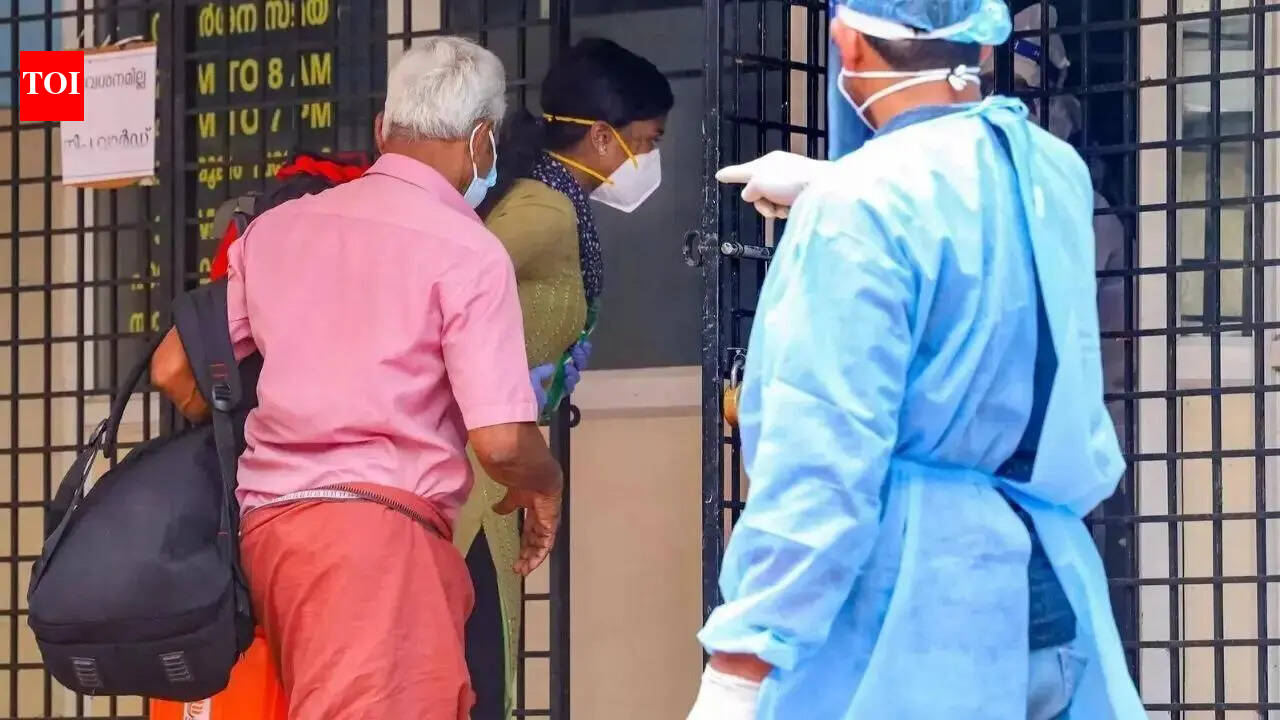
Kerala health officials said the state’s Nipah and Shigella situations are under control. Reporting said Nipah tests were negative and there was no evidence of spread, while Shigella cases in Wayanad had reached 16 children and schools were closed temporarily to contain transmission.
Kerala health authorities said the state’s Nipah and Shigella concerns are under control, trying to reassure the public after several days of overlapping alerts and growing scrutiny over how the outbreaks were handled.
The latest reporting said the health minister told residents there was no evidence of Nipah spread and that all tests were negative. Officials also described the broader Nipah situation as under control, even as the state continued watching for fresh laboratory or surveillance updates.
The development comes after separate public-health warnings in Kerala over a suspected Nipah case and a Shigella cluster among schoolchildren in Wayanad. The state has faced repeated Nipah scares in recent years, and authorities have kept the response focused on testing, surveillance and containment.
Shigella cases in Wayanad
Shigella has been the more concrete outbreak concern so far. A June 12 report said seven more cases were recorded among students in Wayanad, taking the total number of infected children to 16.
Authorities responded by extending school holidays in the affected areas through June 14 to help slow transmission. The measures were aimed at reducing exposure in schools and limiting further spread among children.
Public-health messaging has also emphasized sanitation and hygiene, with officials warning against poor food and water safety conditions that can help spread the infection.
Nipah monitoring
The Nipah side of the story remains more cautious. On June 13, Kerala’s health minister said there was no evidence of spread and that all tests were negative. The June 14 reporting then said the state was again describing the Nipah situation as under control.
That reassurance is important because Nipah is a high-risk viral infection and Kerala has seen repeated outbreaks before. Even so, the reporting did not indicate a declared statewide emergency or confirm wider spread beyond the suspected case under monitoring.
The public message from officials was therefore one of containment and monitoring, not escalation. At this stage, the available reporting supports negative tests and no confirmed broader transmission.
Political scrutiny
The June 14 reporting also added a political layer. Chief Minister Pinarayi Vijayan questioned how the outbreaks were being managed, bringing accountability pressure into a story already shaped by public-health anxiety.
That criticism matters because families, schools and local officials are still dealing with the practical consequences of the Shigella cluster, while the Nipah scare remains under surveillance. Kerala’s response is being judged not only on medical outcomes but on how clearly and quickly it communicates risk.
What remains open is whether new laboratory findings or district-level surveillance will change the picture. Officials are expected to keep monitoring Nipah contact tracing and any updated Shigella counts after the school-holiday window.
For now, Kerala’s message is that both situations are under control. The next key test will be whether follow-up health bulletins keep that assessment intact.
Revision note
Initial automated publication.