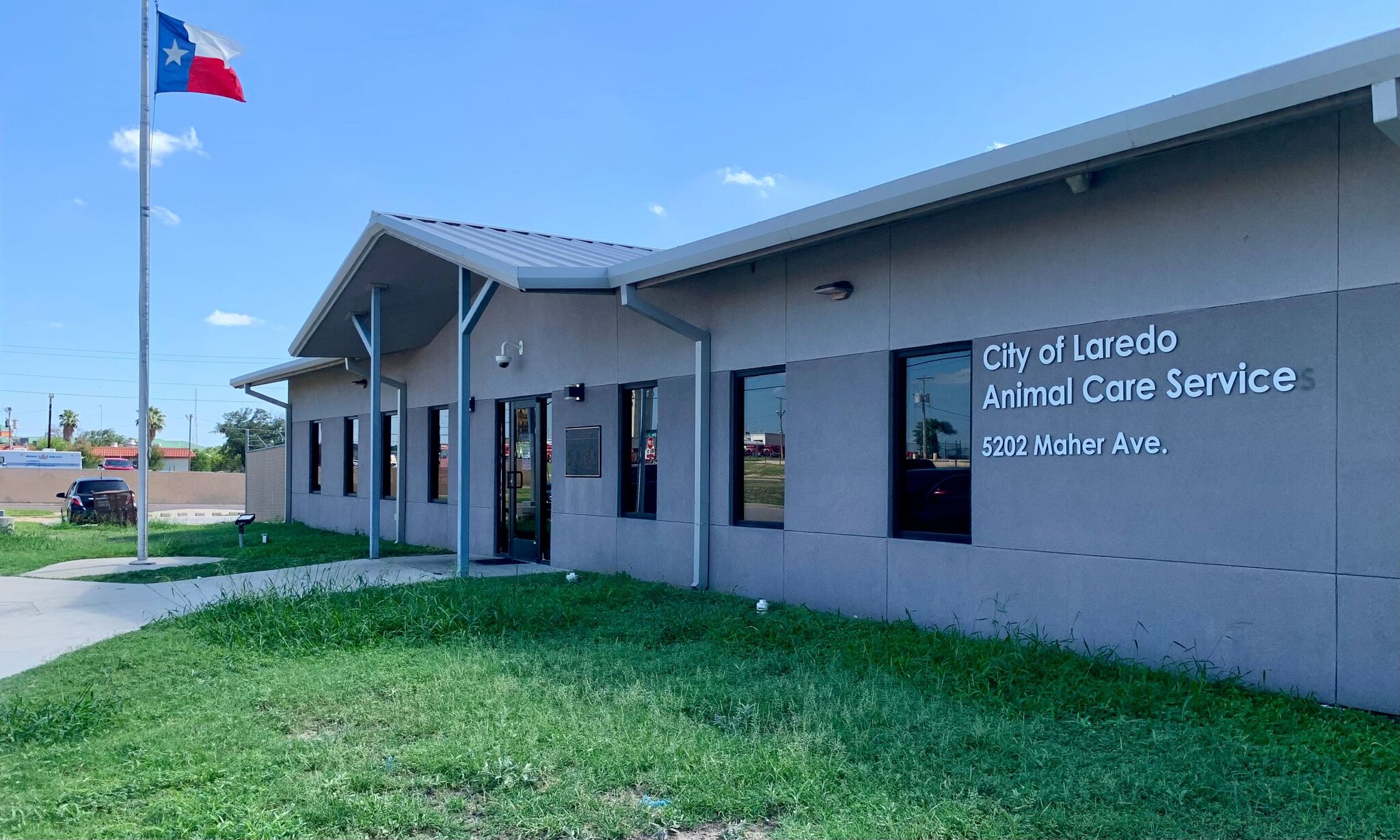
Laredo is stepping up animal surveillance after officials said they were notified of a New World screwworm case in nearby Nuevo Laredo. City leaders say there are no confirmed cases in Laredo or Webb County and that stray animals entering Animal Care Services will be checked for signs of infestation.
Laredo is tightening animal surveillance after officials said they were notified Saturday, June 27, 2026, of a New World screwworm case in nearby Nuevo Laredo.
City officials said there are no confirmed screwworm cases in Laredo or Webb County, but they are moving quickly to add precautions because of the border city's close ties to animal traffic across the region.
Mayor Dr. Victor Trevino said he directed city management, Animal Care Services, Emergency Management and Public Health to increase monitoring and response measures.
Stray animals brought to Animal Care Services will be inspected for cuts, wounds, abrasions and other signs consistent with screwworm infestation. Any animal with suspicious wounds or symptoms will be isolated and evaluated by a veterinarian.
The city said it is coordinating with the Texas Animal Health Commission, the U.S. Department of Agriculture, local veterinarians, Emergency Management and Mexican animal health authorities.
Residents were urged to inspect pets and livestock daily, keep wounds clean, seek veterinary care for wounds that do not heal and prevent pets from roaming freely.
A border response
The local action comes against the backdrop of a broader screwworm response in South Texas and northern Mexico. The New World screwworm is a parasitic fly whose larvae feed on living tissue in warm-blooded animals, which makes any new detection a serious concern for cattle, goats, sheep, horses, pets and wildlife.
Because the pest had been eradicated from the United States decades ago, even a small number of cases can trigger intensified surveillance and movement controls. Laredo's warning is aimed at catching suspicious animals early if the parasite crosses the border or appears in nearby herds or stray-animal populations.
How the outbreak developed
The wider Texas outbreak began when the USDA confirmed the first Texas screwworm case in decades in a calf in south Texas on June 3, 2026.
After that detection, AP reported quarantine and containment steps around the first Texas case, including movement restrictions and sterile-fly releases as part of the federal response.
By mid-June, news coverage said the outbreak had expanded beyond the initial Texas detection and included a case in New Mexico, underscoring how quickly officials were trying to contain it.
That earlier timeline matters for Laredo because the city is responding to a regional animal-health threat, not only to a single report from across the border. The Nuevo Laredo case sharpened the risk picture for Webb County and nearby South Texas communities that sit inside a heavy cross-border animal corridor.
What officials are watching
For now, the city says its response is preventive. No local cases have been confirmed in Laredo or Webb County, but the city wants to isolate and evaluate any suspect animal before the pest can spread.
The open questions are whether Mexican animal health authorities will publicly confirm more details about the Nuevo Laredo case, what animal it was found in, and whether additional surveillance or movement restrictions will be announced for Webb County or surrounding border areas.
Laredo officials and veterinarians are urging residents to stay alert for wounds that do not heal and to report suspicious animals quickly. The concern is not only for ranching operations, but also for pets, wildlife and stray animals that can move across neighborhoods and rural edges with little notice.
Revision note
Initial automated publication with expanded regional context and chronology.