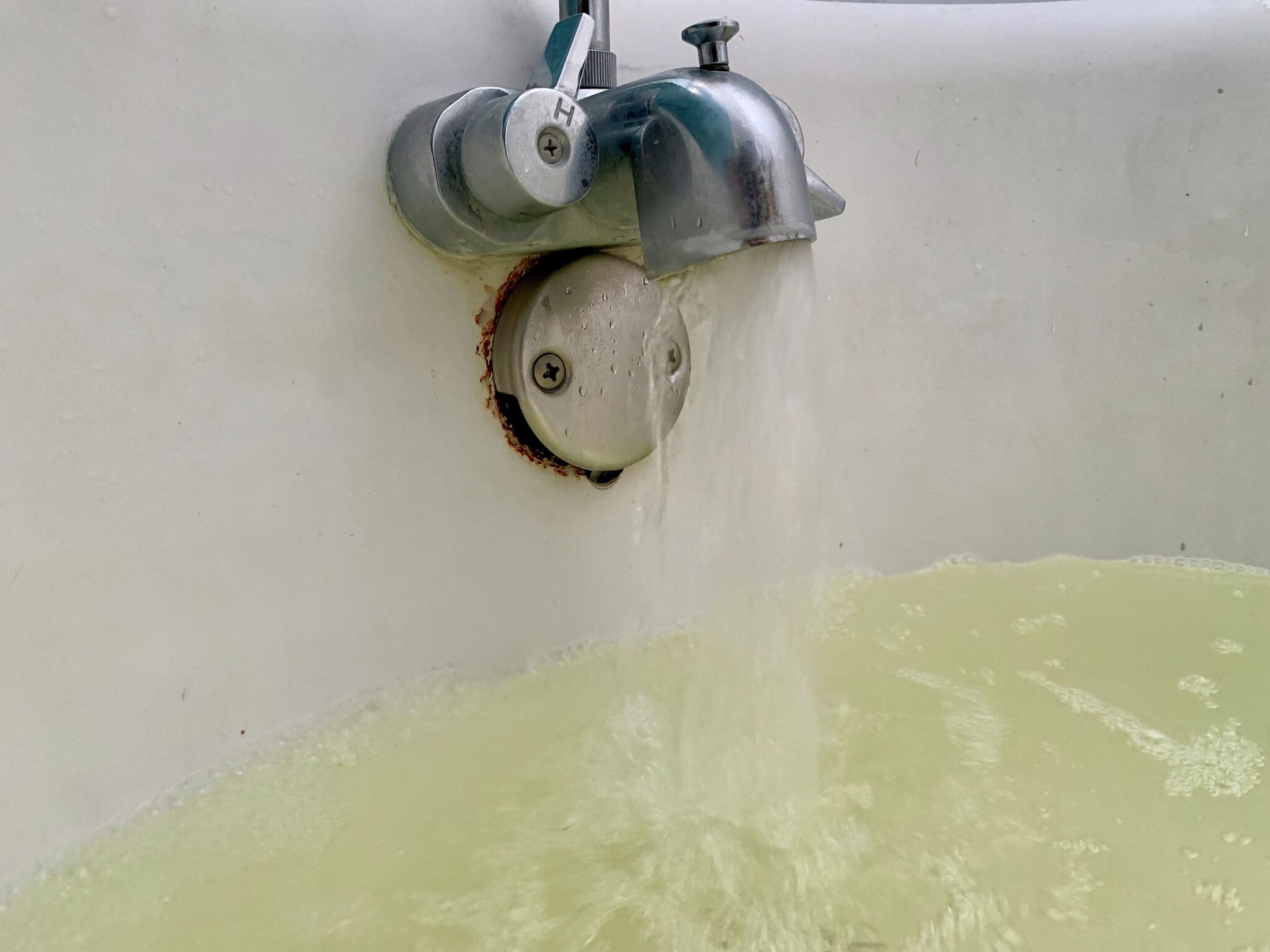
Laredo said it repaired a 36-inch transmission line break that disrupted water service in parts of the city, though residents in west, central and southeast neighborhoods still reported low pressure and temporary discoloration as tanks refilled.
The City of Laredo said water service is being restored after a 36-inch transmission line break disrupted service in parts of west, central and southeast Laredo, but some residents were still reporting low pressure and temporary yellow-tinged water while the system recovered.
City officials said the broken line has been repaired. Normal pressure, however, is returning more slowly because the Lyon tanks need time to refill before the system can fully stabilize.
Officials said the water remains safe to use and that the discoloration is temporary. They said flushing will begin after tank levels normalize.
How the outage unfolded
The break was reported around 10:30 p.m. Tuesday, July 1, 2026, according to the city. The service disruption affected portions of west, central and southeast Laredo, including areas mentioned in reporting near Washington Street and around Laredo Medical Center.
LMTonline reported on July 2 that some residents were still seeing low pressure and yellow water as service was restored. The article said crews were working through the recovery period while the Lyon tanks refilled.
Why pressure is still returning slowly
City officials said the system cannot immediately return to normal just because the pipe has been fixed. The tanks connected to the line must refill first, and the article said that process could take about five to eight hours before full pressure is restored.
That means some households may still see uneven service even after the main repair is finished.
What residents can expect next
The city said flushing will begin once tank levels are back to normal. Officials also said the discoloration should clear as the system stabilizes.
For now, the main public-service concern is not an active break but the slower recovery phase: low pressure, temporary discoloration and the wait for the system to return to normal operation.
Residents in affected neighborhoods are likely to keep seeing conditions improve in stages rather than all at once.
Revision note
Initial automated publication.