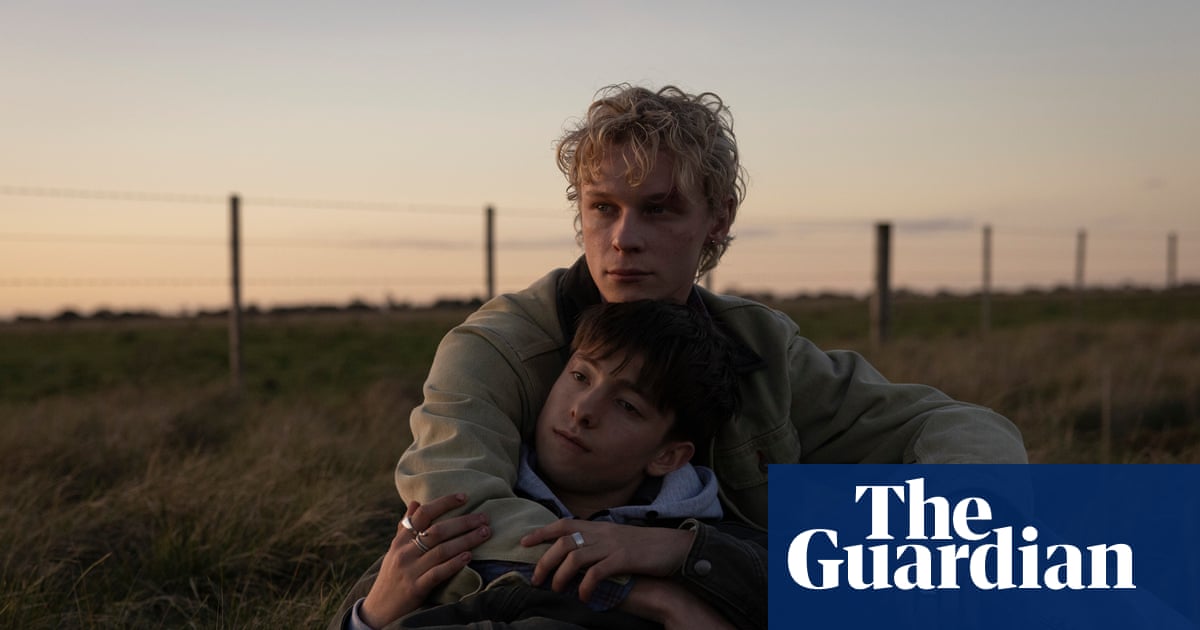
Adrian Chiarella’s debut feature Leviticus is arriving in Australia and the U.S. this week after a Sundance Midnight premiere and a reported Neon acquisition. The queer horror film, set in regional Victoria, centers on two teenage boys whose relationship is exposed and who are forced into conversion therapy.
Release-week momentum
Adrian Chiarella’s feature debut Leviticus has arrived at the point where festival attention turns into a public test. The Australian horror film is opening in Australia on June 18 and in the U.S. on June 19, following a Sundance Midnight premiere in January and a Neon acquisition that helped push it into wider release-week conversation.
The timing matters. Recent coverage has treated Leviticus not just as another genre title, but as a film entering the market with momentum behind it and with a larger cultural argument attached: whether Australian horror can keep converting festival heat into audience reach.
What the film is about
Leviticus follows two teenage boys, Naim and Ryan, in regional Victoria. Their relationship is discovered, and the film turns on the violence and coercion that follow, including conversion therapy.
That premise places the film squarely in queer horror territory. The reporting around it frames the story as one about homophobia, repression and the fear created when a community turns punitive. Chiarella has described horror as a useful way to explore what it feels like to be demonized and pushed to the fringes.
The film’s emotional setting is as important as its plot mechanics. Chiarella said he wanted the town to feel “trapped in amber,” a phrase used in release-week coverage to capture the sense of a place frozen in judgment and isolation.
From Sundance to Neon
The film premiered in Sundance Film Festival’s Midnight section in January 2026. That placement gave the debut feature an early platform among the festival’s genre titles and helped establish it as one to watch.
After Sundance, Neon acquired the film in what reporting described as a seven-figure deal. Separate accounts have described the purchase as about $5 million or roughly A$7.1 million. The exact figure remains reported differently across outlets, but the key fact is not in dispute: Leviticus left Sundance with a major distributor attached.
That matters for a first feature. A festival premiere can create conversation; a distributor deal turns that conversation into an actual release path. For Chiarella, it means the film has moved from discovery to market entry in a short, visible arc.
Why Australian horror matters here
The reporting around Leviticus also places it inside a broader revival narrative for Australian horror. The genre, once treated as marginal, is now being discussed as commercially and culturally durable, with earlier titles from Causeway Films such as The Babadook and Talk to Me often used as reference points.
That context helps explain why the film is attracting attention beyond the usual debut-feature audience. It is being discussed not only as a queer horror story, but as part of a wider claim that Australian genre filmmaking can travel globally and remain culturally specific at the same time.
Producers Samantha Jennings and Kristina Ceyton sit within that same ecosystem, which has helped shape how the film is being positioned. The result is a project that is being marketed as both a horror film and a queer love story, a combination that broadens its audience appeal while keeping the thematic core intact.
Release-week coverage
Release-week reporting has reinforced the sense that Leviticus is arriving at a meaningful moment for its filmmaker and for the broader conversation around Australian horror. The Australian’s June 18 interview described the film as a release-week story and used Chiarella’s own comments to underline the film’s atmosphere and setting.
The Guardian’s June 16 feature similarly emphasized the film’s queer horror premise, its conversion-therapy themes, and the fact that it had already attracted global attention after Sundance. Them’s coverage focused on the horror framework as a way to dramatize queer experience, while the Associated Press review called the film an auspicious debut.
Taken together, the reporting has built a consistent picture: Leviticus is not arriving as a low-key indie release, but as a debut with a festival pedigree, a notable distribution deal and a clear thematic identity.
What happens next
The immediate question is whether that attention translates into audience reach. Opening-week performance in Australia and the U.S. will show whether the film’s Sundance profile and Neon backing can carry it beyond the press cycle.
Further interviews or distributor statements may still add details, especially around rollout strategy and reception. For now, though, the core release-week picture is set: Adrian Chiarella’s debut has moved from Sundance discovery to public release, and it is doing so with Australian horror, queer representation and conversion-therapy themes all part of the conversation.
Revision note
Initial automated publication.