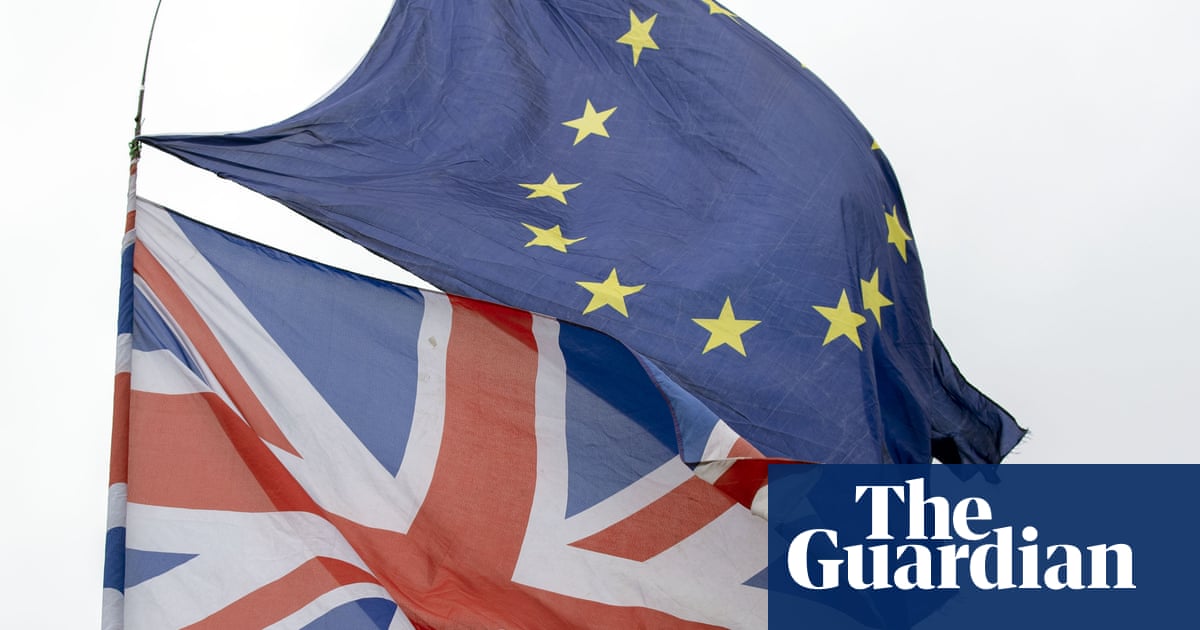
The Liberal Democrats are preparing to urge Labour to abandon its EU red lines, with Ed Davey expected to call for a move back toward the single market and customs union. The intervention comes as Britain and the EU prepare for a July 22 reset summit in Brussels.
Davey to sharpen Lib Dem pressure
The Liberal Democrats are preparing to use Ed Davey’s June 17 speech to push Labour to drop what the party sees as excessive caution on Europe and move back toward the single market.
Davey is expected to tell Labour to abandon its “torpor and timidity” on EU policy, according to reporting on the speech, in a fresh attempt to reposition the Lib Dems as the most openly pro-EU force in Westminster.
The intervention marks a hardening of the party’s stance compared with its approach at the last general election. Instead of treating closer EU ties as a gradual ambition, the Lib Dems are now pressing for a more direct reversal of some Brexit-era restrictions.
What the Lib Dems want
The proposal described in reporting is to rejoin the single market via the European Free Trade Association and pursue a new customs union with the EU.
That would be a significant political shift because it would imply accepting free movement of people, which remains a contentious issue in British politics and one Labour has been careful to avoid reopening.
The Lib Dem argument is that Brexit has imposed economic costs and that Labour should be willing to reopen the debate rather than treating current red lines as fixed.
Pressure on Labour
Labour’s position during the 2024 election was not to rejoin the EU, the single market or the customs union, and those lines remain central to its current public posture.
A Labour source quoted in the reporting dismissed the Lib Dem move as “simplistic and divisive” and described it as a stunt. That response underlines how far apart the two parties remain on how quickly, or how far, Britain should move back toward Brussels.
EU officials quoted in the reporting also rejected the idea of single-market access without free movement, saying the single market is not open to pick-and-choose arrangements.
Brexit anniversary backdrop
The timing gives the speech extra political weight. It lands in the run-up to the 10th anniversary of the Brexit vote, when pro-EU politicians and commentators are again using the anniversary to test whether the debate can move beyond old taboos.
The issue still has clear electoral value on the centre-left. Earlier polling cited in related reporting suggests support for rejoining the EU is strongest among Labour, Liberal Democrat and Green voters, giving the argument continued relevance even if it remains politically constrained.
July summit and the wider reset
The row also comes ahead of a UK-EU reset summit scheduled for July 22 in Brussels. That date was confirmed during the G7 and follows a period of stalled or slow-moving talks over the shape of post-Brexit relations.
Reporting on the summit suggests the agenda may include youth mobility, SPS issues, emissions trading and wider trade-barrier questions, although there is no certainty yet about what, if anything, will be agreed.
The Lib Dem intervention therefore lands as both a policy challenge and a political one. Davey is trying to push Labour beyond its current red lines, while Labour is likely to argue that its approach is more realistic and more politically durable.
For Labour figures including Keir Starmer, Wes Streeting and Andy Burnham, the pressure is less about an immediate policy shift than about whether the party leaves room for a more ambitious EU debate later in the parliament.
The bigger unanswered question is whether the July 22 summit produces concrete steps that make the reset feel meaningful, or whether the post-Brexit relationship remains defined mainly by cautious rhetoric and competing domestic politics.
Revision note
Initial automated publication.