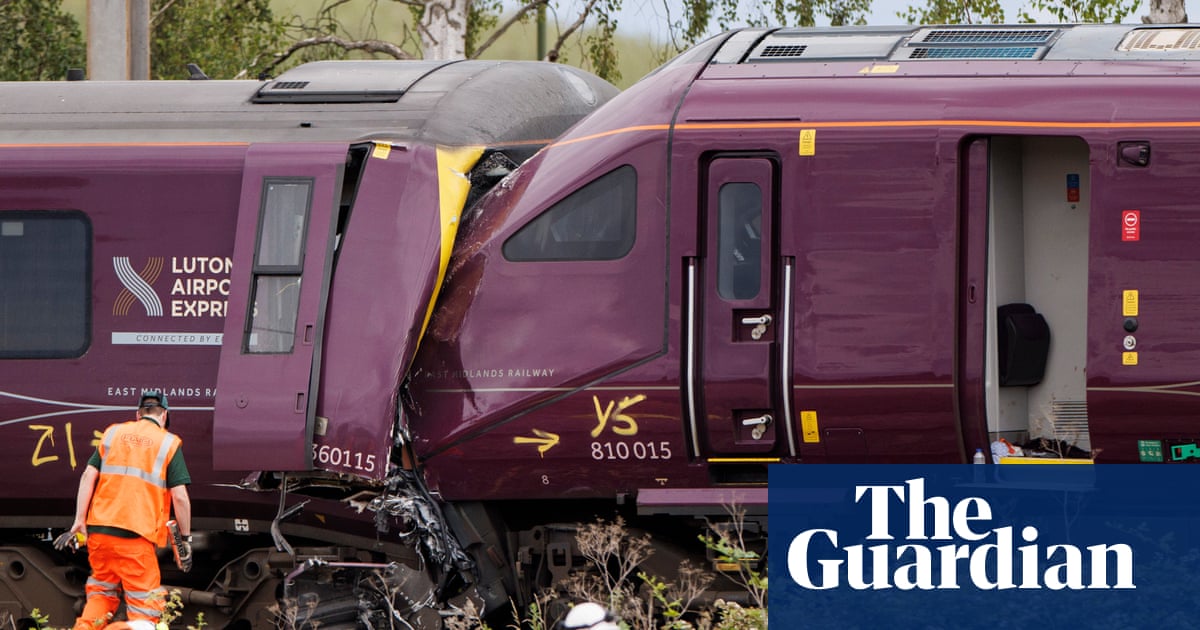
Network Rail says the Bedford-Luton rail line will remain closed until at least June 28 after the June 19 collision near Bedford, with replacement buses, no trains to London St Pancras and an ongoing safety investigation.
Line closed for at least a week
Major disruption on the Bedford-Luton rail corridor will continue for at least a week after Network Rail said the line will remain closed until at least June 28.
The closure follows the June 19 collision between two East Midlands Railway services near Elstow, Bedfordshire. One driver died in the crash and about 100 people were injured. Officials said 28 people were still in hospital as of June 21, including nine in critical condition.
Passengers on the route into London have been warned to expect replacement buses, longer journeys and timetable changes while the damaged section is made safe and repaired. There will be no services between Bedford and London St Pancras during the closure period.
The route is a busy commuter corridor, and the shutdown has widened the impact beyond the immediate crash site. Luton Airport Express services have also been affected, adding to travel disruption for passengers using the line.
What happened on June 19
The collision happened on June 19, 2026, when a Corby-to-London St Pancras train struck the rear of a Nottingham-to-London St Pancras service near Elstow, south of Bedford.
Emergency services and investigators reached the scene quickly. The initial response focused on treating the injured, making the site safe and beginning the recovery operation.
Network Rail has described the incident as a tragic, isolated event. The company says the priority now is to clear the wreckage, inspect the track properly and restore the route safely.
The casualty picture has continued to evolve since the crash, but the core facts remain unchanged: one driver died, dozens of passengers were hurt and the line has been taken out of service for a prolonged period.
Repair work and investigation
Network Rail said engineers are removing overhead electrical wires and building a temporary access road so two 110-tonne cranes can reach the damaged trains. Those cranes will be needed to lift the wreckage and allow a full inspection of the track underneath.
That work is why the closure is expected to last well beyond the initial response period. Even with no sign yet that the route will reopen before June 28, the company has not given a firmer date.
The Rail Accident Investigation Branch and British Transport Police are both investigating. Their work will focus on how the collision happened and whether any signalling, braking or other system failure played a part.
Officials have urged caution about speculation while that inquiry continues. For now, the operational picture is clear: a key rail link into London remains shut, replacement transport is in place and the cause of the crash is still unknown.
Passengers using the corridor have been told to keep checking service updates as operators adjust plans day by day. The next major milestone is the safe removal of the damaged trains and completion of track repairs, which will determine when normal service can resume.
Revision note
Initial automated publication.