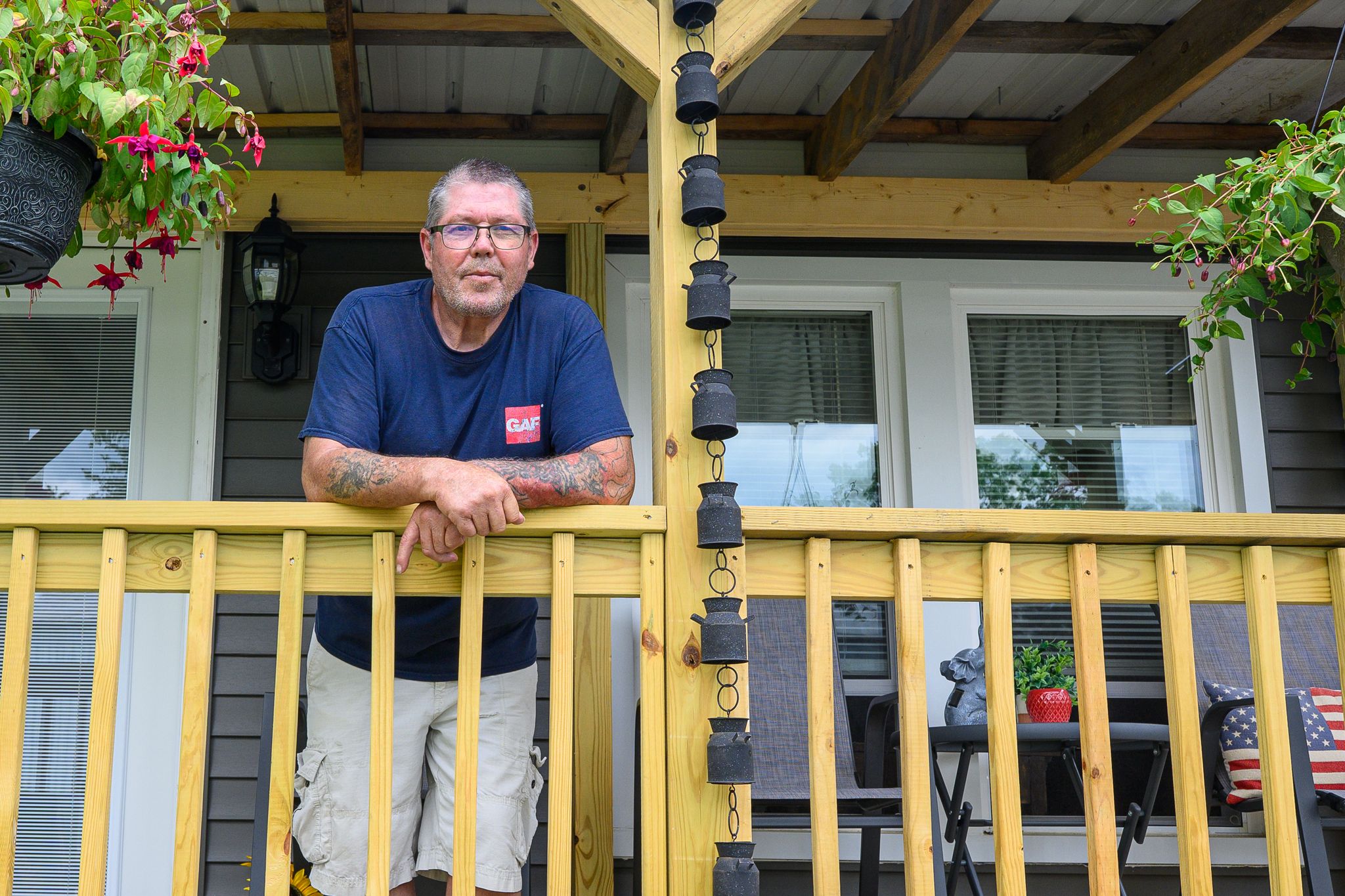
Patrick Loucks says he received a 30-day eviction notice after speaking publicly about Hillcrest Villas Mobile Home Park's long-running water problems. Schenectady County is also moving toward formal action over a boil-water advisory that has lasted about 10 months.
Patrick Loucks says he was served a 30-day eviction notice after publicly speaking out about the water problems at Hillcrest Villas Mobile Home Park in Duanesburg, New York.
The notice came as Schenectady County escalated its response to a boil-water advisory that has lingered at the park for nearly 10 months. Loucks says he believes the eviction is retaliation for raising concerns about the water outages and safety issues affecting residents.
The latest reporting says the notice cites alleged abuse or harassment of a company employee, community manager or park liaison, along with alleged aggressive behavior and verbal abuse. The park owner and the company did not provide a substantive on-the-record response in the Times Union reporting.
Eviction notice follows public complaints
Loucks said he received the eviction notice on Wednesday, June 18, 2026. In his account, the timing is significant because it followed his public criticism of the park’s water conditions.
He has described the notice as punishment for speaking out, while the notice itself reportedly frames the situation as a tenant conduct issue. That clash makes the case part housing dispute and part possible retaliation complaint.
The reporting does not confirm a specific incident that triggered the notice, only that the document cites behavior the owner or company views as unacceptable.
County enforcement over the water advisory
Schenectady County said Hillcrest Villas has been under a boil-water advisory since August 17, 2025, because of recurring water outages and the possibility of microbial contamination. County officials said only 30 households remained affected, down from an original 75.
On June 17, county officials said they were moving toward formal legal action against park owner Sam Obermeister and Mobile Properties LLC after a May 14 deadline passed without compliance. The county had already been trying to resolve the issue through informal efforts before shifting to a more formal enforcement process.
That move marked a harder line from county officials after months of unresolved water problems. It also put the park owner and the county on parallel tracks: one focused on the unsafe water conditions, the other on whether the park complied with orders to fix them.
Residents still waiting for safe water
The dispute affects more than Loucks. Other Hillcrest Villas residents have spent months living with a boil-water advisory, uncertainty over safe drinking water and repeated disruptions tied to the park’s water system.
For residents, the immediate problem is not only the advisory itself but the absence of a clear timeline for a fix. County officials have not said when the matter will be fully resolved, and the advisory remains in place for the homes still affected.
The stakes are unusually high because the case combines public health concerns with the risk of housing pressure on a resident who spoke up about those concerns. The eviction notice raises questions about whether tenants can safely report conditions they believe are dangerous.
What happens next
Loucks may choose to challenge the eviction notice. Separately, county officials are expected to continue their administrative or legal process against the park owner and Mobile Properties LLC.
It is also unclear whether the owner or company will publicly contest Loucks’ retaliation claim. The reporting so far leaves open whether the eviction notice followed a specific documented incident or was tied mainly to his public complaints.
For now, the core issues remain unresolved: whether Loucks can stay in his home, whether county enforcement leads to repairs, and when Hillcrest Villas residents will finally be told the water is safe again.
Revision note
Expanded the story with fuller chronology, county enforcement context, resident impact, and next steps.