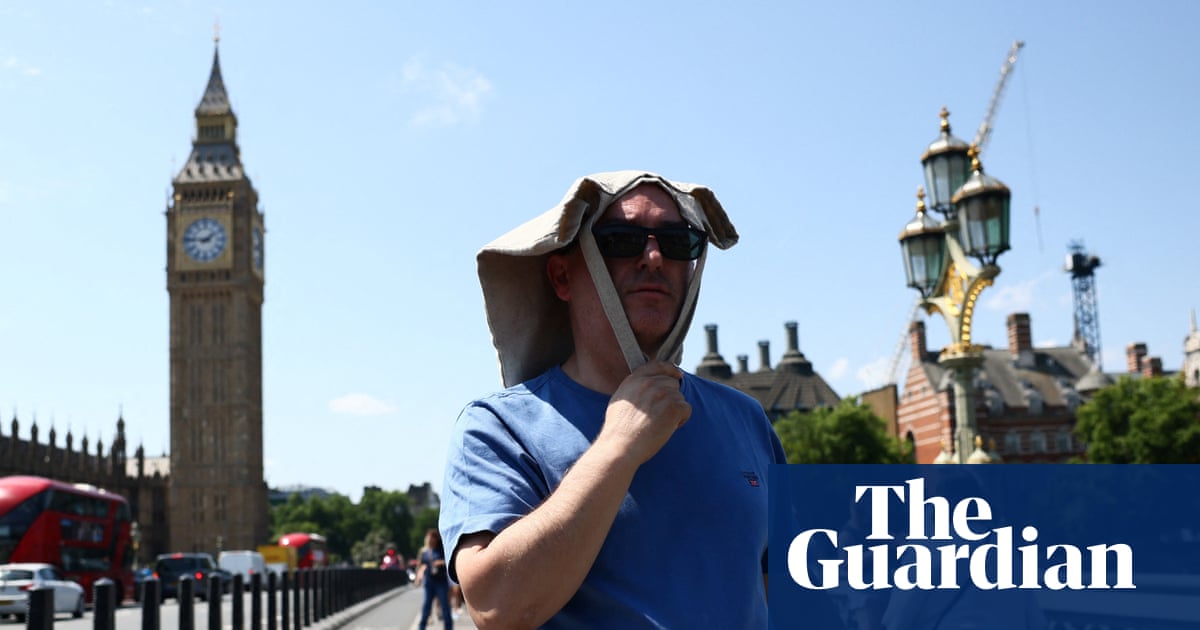
The Met Office is forecasting back-to-back 38C days across parts of the UK this week, with amber extreme heat warnings and UKHSA alerts in place. Forecasters say the heat could challenge the UK’s June record and bring disruption risks to health services, transport and utilities.
Forecast and warnings
The Met Office is forecasting back-to-back days of 38C heat in parts of the UK this week, with the hottest weather expected around Tuesday and Wednesday. The forecast has sharpened into one of the most significant early-summer heat events of the year, with warnings now covering large parts of England and Wales.
An amber extreme heat warning was first issued on June 19 for parts of southern England and south-east Wales. By June 21, reporting said the warning and forecast had expanded, with later coverage extending into parts of the Midlands and northern England as the heatwave progressed.
Forecasters are describing a long spell of hot conditions running from Monday through Thursday. The main peak is expected midweek, when temperatures could reach about 38C in some areas.
Record pressure
The projected temperatures would put the UK’s June record in reach. The current June high is 35.6C, set in 1976, and the latest forecasts suggest that record could be challenged or overtaken.
Some reporting also says there is a small chance temperatures could rise above 40C, although the central forecast remains in the high 30s. The picture is still developing, and officials are watching closely to see whether any location actually reaches the top end of the range.
The heat is expected to come with high humidity as well as very warm afternoons, which can make conditions feel more oppressive than the thermometer suggests. Overnight temperatures may also stay high, with some areas not expected to fall below 20C, raising the risk of tropical nights.
Health risks
The UK Health Security Agency has issued yellow and amber heat-health alerts alongside the Met Office warning. The alerts reflect the concern that sustained high temperatures can increase the risk of dehydration, heat stress and other health problems, especially for older people and anyone with underlying conditions.
The Met Office has warned that the combination of heat and humidity could affect public health and the wider functioning of services. If nights stay warm, people may struggle to recover properly from daytime heat before temperatures rise again the next day.
That risk is particularly relevant for health and care services, where demand can rise during hot spells. Officials are also concerned about vulnerable residents who may be less able to cool homes, keep hydrated or recognise early signs of heat illness.
Wider disruption
Beyond health, the Met Office says the heatwave could affect infrastructure, power and water supplies. Extreme heat can place extra strain on systems already under pressure, and the forecast has raised the prospect of disruption to transport, buildings and public services.
High temperatures can also make it harder for rail and road networks to operate normally, and the wider reporting points to possible knock-on effects as the peak arrives. The concern is not only the absolute temperature, but the length of the hot spell and the lack of overnight relief.
The UK is also on the edge of a broader European heatwave. Reporting from the continent shows France, Spain and Italy facing severe heat, underlining that this is part of a wider weather pattern rather than an isolated UK event.
France has already seen cancellations and restrictions tied to the heat, including event changes and limits on alcohol consumption in some places. That wider context matters because it shows how quickly heatwaves can disrupt public life once temperatures climb into the extreme range.
What to watch next
The immediate question is whether the UK actually reaches 38C, and whether any local area gets close to 40C. Forecasters are still tracking the peak, and the next updates will show whether the amber warning needs to be extended or upgraded.
The key indicators over the next few days are how high temperatures rise, how warm nights stay and whether there are signs of disruption in transport, hospitals, schools, utilities or emergency services. For now, officials are treating the forecast as a serious public-health and infrastructure event rather than a brief burst of summer warmth.
Revision note
Initial automated publication.