Michigan has imposed new import requirements for some warm-blooded animals after New World screwworm detections in Texas and New Mexico. The state says the precautions are meant to protect livestock and pets as the outbreak expands.
Michigan agriculture officials have imposed new import requirements for some warm-blooded animals entering the state after New World screwworm detections in Texas and New Mexico raised concern about the parasite spreading farther north.
The Michigan Department of Agriculture and Rural Development said the rules are intended to reduce the chance of screwworm reaching Michigan. Depending on where animals are coming from, the requirements can include veterinary inspections, documentation, wound checks and preventive treatments.
MDARD Director Tim Boring said the state is taking decisive action to protect livestock and pets.
Why Michigan moved now
Michigan’s decision comes as animal-health officials in the South and Southwest try to contain an outbreak that had already produced confirmed cases in Texas and New Mexico. A June 16 update reported 12 confirmed animal cases in the U.S., mostly in Texas and one in New Mexico.
The affected animals included cattle, goats, sheep and a dog.
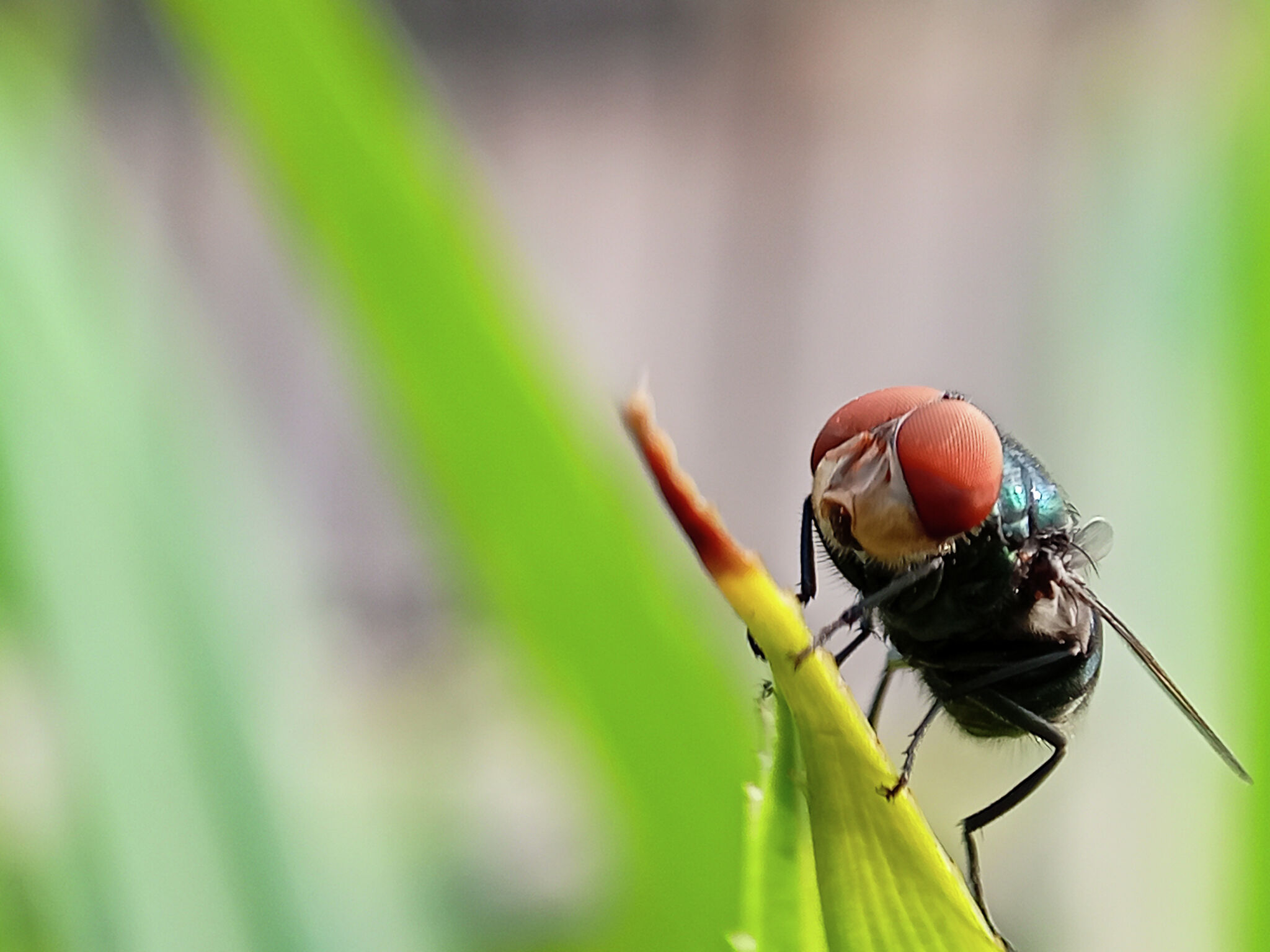
New World screwworm is a parasitic fly whose larvae infest warm-blooded animals and can cause severe wounds. The parasite was eradicated from the U.S. decades ago, but officials are treating the current detections as a renewed livestock-health threat.
What to watch next
The exact entry requirements will vary by region, and Michigan officials have signaled that the rules may be updated as the outbreak develops. Producers, veterinarians and animal owners are watching for more detailed guidance on which species and shipment categories are covered.
The broader response has also included federal action. The U.S. Food and Drug Administration approved emergency use of nitenpyram tablets on June 13 to treat screwworm infestations in dogs and cats.
For now, Michigan has not reported any screwworm cases. The state’s move is a precautionary step designed to keep the parasite out while officials monitor whether the outbreak widens further.
Revision note
Initial automated publication.